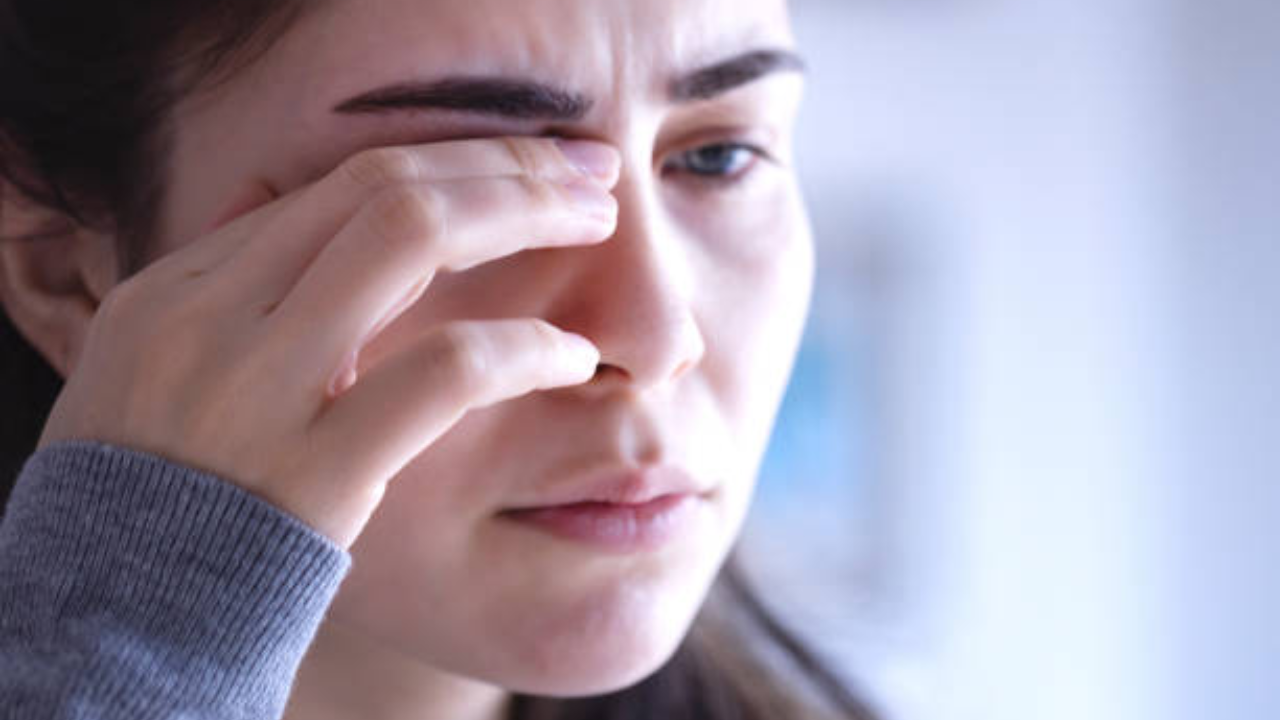
The monsoon season brings relief from the scorching summer heat, but it also comes with its own set of health challenges, particularly for the eyes. The increased humidity and moisture during this time create an ideal environment for various bacteria, viruses, and fungi to thrive, leading to a higher risk of eye infections. Understanding these risks and taking preventive measures is crucial for maintaining eye health during the rainy season.
Common eye infections during monsoon:
Conjunctivitis or eye fluConjunctivitis is a common infection which occurs in the summer as well as rainy season due to bacteria or viruses present in water and humid climates. The symptoms include gritty sensation in the eye, redness, pain, watering, white or yellow discharge, and stickiness of eyelids. This eye flu is contagious and can be transmitted through contaminated hands, hankies, and napkins used in common by family members.
Stye
Stye is an infection of glands near the lid margin and root of eyelashes. It presents with swelling of the lid margin and formation of pus with fever. The best way to treat these infections is to consult your Eye doctor early and get proper antibiotic and lubricant eye drops and oral analgesic tablets prescribed by him. One should avoid self-medication and use of substances like goat milk, castor oil, etc.
Corneal ulcers and abscessesIt is caused by fungal infections from spores present in the humid environment. If untreated, these infections can lead to significant vision loss.
So what are the warning signs that you should not ignore
Pink eyes for more than one day Constant itching and watering of eyes Gritty sensation which persists White or yellow discharge from eye Stickiness of eye lids Pain in eyes with headache Tips to prevent eye infection
Do not touch your eyes with your unclean hands You should wash your hands with soap and water frequentlyFrequently wash your eyes and face with cold waterDo not use napkins or handkerchiefs of other family membersDo not wear eye makeup when your eye is redWash and clean the applicators for eye makeup frequentlyDo not instill eye drops without doctor's prescriptionDo not get these drops from the chemist shop directlyAvoid going to waterlogged places as they are breeding ground for many bacteria and fungiDo not use contact lenses especially when your eyes are redDo not over use disposable contact lenses beyond their prescribed periodConsult Eye specialist early when your eyes have become red for one or two days and do not start self-medication.(Author: Dr Jayant Sarwate, MBBS, MS Ophthalmology, Sarware Eye Clinic and Laser Centre, A Unit of Dr. Agarwals Eye Hospital, Satara)