Get all your news in one place.
100's of premium titles.
One app.
Start reading
Tom’s Guide
Tom’s Guide
Technology
Jenny Haward

Experts reveal the bedroom window heatwave mistake making your sleep worse — and the 4-step cooling fix

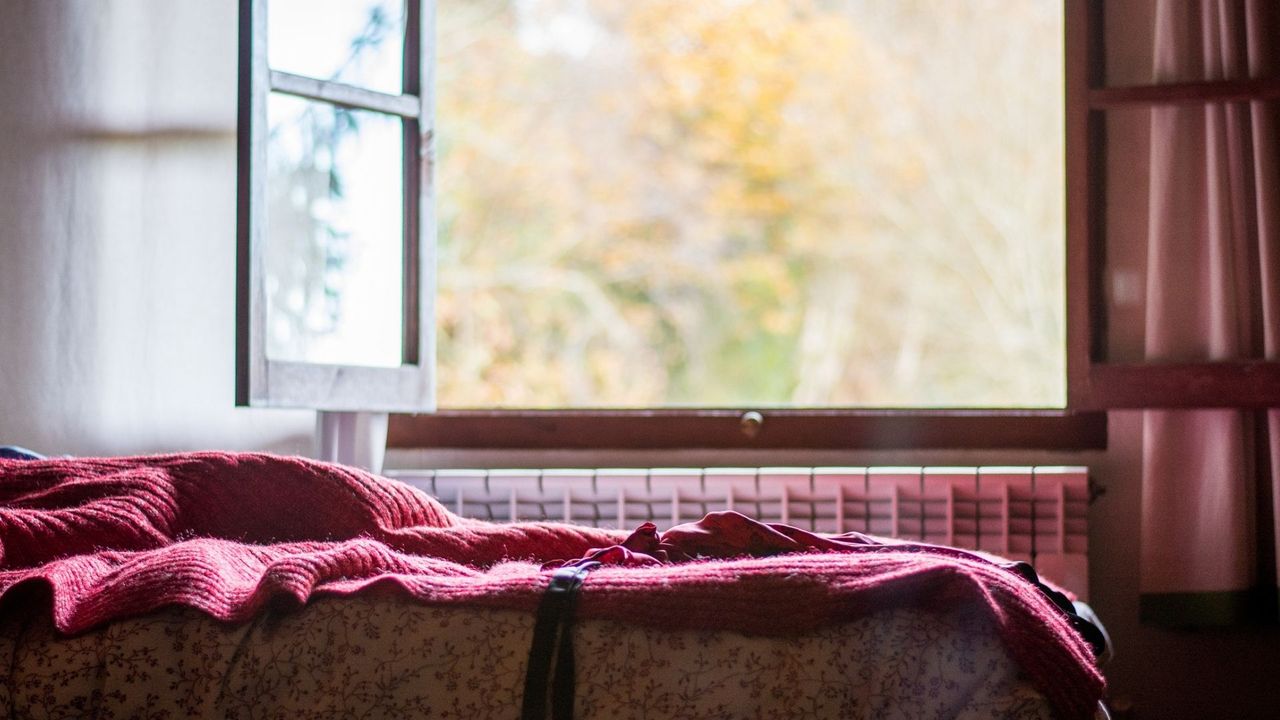
The image shows a wooden bedroom window open wide, with a bed with a red blanket on it below.

We've seen heatwaves in the US and the UK already this year, and while that might be great for a day at the beach or park, it's not ideal for sleeping. Especially if you're one of countless people making a common yet key mistake with your bedroom window that unintentionally makes your bedroom even hotter during a heatwave.

After staying in a beautiful, but particularly hot, rental property in the UK for a week as temperatures soared during a record-breaking May heatwave, I learned a bedroom window hack that can help keep you cool at night. And here I've spoken to sleep and home experts about why it actually works.

Read on to find out what key bedroom window mistake you should avoid at night during a heatwave, and what to do instead to keep your sleep space cool.

Key takeaways: At a glance

  • The key mistake Keeping the bedroom window and curtains/blinds open during a heatwave is the most common mistake people make.
  • Why it's a mistake When the temperature is hotter outside than indoors, you're actually allowing warm air into the room, while open curtains/blinds allow sunlight in that can also heat up your sleep space.
  • The fix Keep windows and curtains/blinds closed during hot weather, opening them when the air is cooler in the evening. You can also use tin foil on windows during very hot weather, but this is only a temporary solution.
  • The temperature thresholds – You must close up your bedroom the moment the outdoor temperature exceeds the indoor temperature. As a rule of thumb, experts recommend sealing the room once outdoor temperatures reach 22°C to 25°C in the UK, or 79°F in the US (the official indoor limit recommended by the World Health Organization ). At this point, your walls begin to hold heat.
  • Beware hidden heat traps – these include bedroom electronics on standby, memory foam mattresses, and thick bedding, non-breathable bedding.

The key bedroom window mistake people make during a heatwave

(Image credit: Getty Images)

Picture a sizzling hot day. You're at home and you decide to throw the bedroom windows open to let some air in. After all, you want a cooler room before you try to sleep.

But think twice before you do, as John La Puma MD, author of Indoor Epidemic: 93% Inside Steals Sleep, Focus & Years—The 7% Outdoor Rx Restores Them says: "in a heatwave, opening windows and curtains is the wrong move to cool the bedroom."

"This is a very common mistake." He explains.

"Many people assume that opening windows automatically cools a room but that isn’t always the case," Jason Peterkin, director and founder at 247 Blinds tells me, explaining that in the UK in particular, homes are built to retain heat so we instinctively open windows to try and let fresh air circulate.

Opening bedroom windows can help in mild weather, but it doesn't work during a heatwave when outdoor temperatures are higher than indoors

Andrew Seed, sleep specialist at The Odd Company

(Image credit: Getty Images)

"However, if it’s hotter outside than inside, this backfires completely, and we end up making the room warmer by mistaking moving air for cool air," he adds.

Andrew Seed, sleep specialist and managing director at The Odd Company agrees: "Opening bedroom windows can help in mild weather, but it doesn't work during a heatwave when outdoor temperatures are higher than indoors."

Peterkin explains to me that heat moves to where it is cooler, so when the outside air is warmer than it is inside, "opening windows can allow warm air into the room and raise indoor temperatures, making it tough to sleep at night, even after the sun goes down."

Meanwhile, if you're leaving curtains and blinds open during the day too, you're allowing "direct sunlight to enter through uncovered windows which can also lead to rooms quickly heating up," he adds.

Closing windows during the day also prevents pollen entering your bedroom and exacerbating allergies that can impact sleep. Just keep in mind that pollen counts are often high in the early evening, too.

How this mistake affects your sleep all night in a heatwave

(Image credit: Getty Images)

Letting warm air and sunlight into the bedroom during the day is clearly not a good idea, but won't the temperature of your sleep space just drop anyway as the temperature outdoors does?

According to the experts, it's not that simple. "During the day, heat that enters the room gets absorbed by the 'thermal mass' of your bedroom – everything from the walls to the flooring, and even your mattress," explains Peterkin.

"By bedtime, even if the outside air has cooled down, these objects continue to slowly release trapped heat back into the room throughout the evening, meaning that bedrooms can remain uncomfortably warm long after outdoor temperatures have started to fall."

And as Dr. La Puma says, "Going to sleep is really a core body temperature cool-down event. A warm room makes that nearly impossible."

The 4-step bedroom window hack to use in a heatwave instead

I can vouch for this hack, which consists of several steps, as I've used it myself. But the experts I spoke to gave me more insight into exactly why it works. Read on to find out more...

Step 1: Keeping windows closed in the day, even in the shade

(Image credit: Getty Images)

When I was staying in a very warm home during a heatwave it did feel counterintuitive to close the bedroom windows during the day when it was so hot. But, the experts I spoke to backed up our decision.

"This helps prevent hot outdoor air from getting into the bedroom," says sleep specialist Andrew Seed. "By keeping windows shut, you have a better chance of retaining the cooler air that has built up overnight and slowing down the rate at which the room heats up."

Ideally you should also keep your bedroom door closed all day to ensure any cooler air remains trapped in the room, and isn't 'diluted' by warmer air throughout the day as temperatures rise.

Peterkin also explains that when the outdoor temperature is hotter than the indoor temperature, closing bedroom windows during the day "acts like a shield, preventing warm air from entering the room to reduce the amount of heat building indoors. It’s a like keeping your freezer door closed to maintain temperature, rather than opening it."

Step 2: Keeping curtains/blinds closed all day

I love sunshine streaming into my bedroom, so I was a little reluctant to have the bedroom curtains closed at our rental. However it was an effective strategy, alongside having the windows closed, for avoiding a stifling room come bedtime.

"Keeping your curtains and blinds closed acts as a barrier against direct sunlight, particularly in sun-facing windows, preventing it from entering your home and helping to keep the temperature cool," says Peterkin.

He suggests thermal blinds or curtains, while Dr. La Puma adds that "blackout curtains can be very effective from preventing heat from getting to the walls, which otherwise absorb and retain heat."

(Image credit: Getty Images)

Step 3: Open windows in the evening when the temperature outside has dropped

(Image credit: Getty Images)

The good news is that you don't have to keep your bedroom windows closed all night as well when there's a heatwave. Once it got a little cooler in the evening, we opened our windows and bedroom door to allow cooler air to flow through the room.

Here's what Dr. La Puma recommends: "Open the windows once the outdoor temp is cooler than the indoor temp, and cross-ventilate if you can."

Seed explains how opening the bedroom window once it's cooler outside: "It improves air circulation, helping trapped heat escape and allowing cooler air to flow into the room."

Expert tip: Both Seed and Peterkin suggest that opening windows at opposite sides of your home will help provide the most effective cross-ventilation.

Step 4: On super-hot days, use tin foil on your windows in the day

I'll admit that it did feel extreme to tape tin foil to the bedroom windows of our rental, but on the hottest days it worked wonders alongside the other steps listed above.

Seed explains that "on exceptionally hot days, covering windows with tin foil can be a good hack as it reflects the sun's heat away from the bedroom.

"While taping tin foil to your windows works in theory, acting like a giant mirror to bounce heat away, it isn't exactly a great look and is considered a temporary solution.

"You shouldn't have to make your house look like a spaceship just to stay cool," he says. Instead, he suggests looking for high-quality thermal blinds.

(Image credit: Getty Images)

The specific temperature at which you should shut bedroom windows in a heatwave

Research indicates that the ideal temperature for sleep is between 65 to 70 F (18 to 21 °C), so is there a specific outdoor daytime temperature that should prompt you to close bedroom windows and curtains/blinds in hot weather?

Advice from the United States Environmental Protection Agency is to close windows in the home when the temperature of the air outside exceeds the temperature indoors, while UK government recommendations focus on only opening your home's windows when the air temperature is cooler outside than in, later in the day.

"In UK homes, I would recommend taking precautions to keep bedroom temperatures down once outdoor temperatures reach around 22-25°C, and more so if your bedroom is in direct sunlight," says Seed.

"The key factor is whether it’s warmer outside than inside, which is usually around the mid-20s," explains Peterkin.

Dr. La Puma says that in general in the US, "at 79°F or higher, after you get out of bed, close up the bedroom. If it already feels warm in the bedroom to you, the walls are already beginning to hold heat."

He points out that 79°F is the recommendation for maximum indoor daytime temperature from the World Health Organization (WHO).

7 hidden bedroom heat traps causing you to sleep hot

(Image credit: Getty Images)

We've covered how you can utilise your windows to prevent a hot bedroom at night during a heatwave, but other elements of your room, items within it and even what you wear to bed can trap heat and cause you to have an unpleasantly hot sleep...

  • “Thick duvets and non-breathable bedding can all trap body heat, making it harder for your body to cool down while you sleep," says Seed.
  • "Many electronics on standby are basically small space heaters," says Dr. La Puma.
  • Memory foam mattresses also "trap body heat," says Dr. La Puma. Dense memory foam beds in particular are known to retain heat.
  • Thicker or large rugs in your bedroom might be great in winter, but they insulate, so can trap heat.
  • Furniture placed flush to the wall can limit air circulation, so consider moving your bedroom pieces a touch away to prevent heat build-up.
  • Blocked air vents prevent air flow and can lead to hotter rooms.
  • Heavy pajamas or those made from synthetic fabrics like polyester , which holds onto heat and doesn't have good airflow.

One of the best cooling mattresses may be a good investment this summer if you regularly sleep hot anyway, or you could consider a mattress topper with cooling properties as a more affordable alternative for warmer months.

The best cooling duvet in our duvet guide works for all sleep styles and can be machine washed, while our guide to cooling bedding will help you understand which materials to choose, and which to avoid.

Sleepwear made from natural, breathable materials like 100% cotton or linen, or bamboo, eucalyptus or silk should help you avoid overheating.

Bedroom fans for cooler sleep in a heatwave

JISULIFE Portable Mini Fan LEVOIT Oscillating Standing Fan Lasko Oscillating Tower Fan DREO TurboPoly Fan 502 Shark Flexbreeze Tablemate Fan GoveeLife Smart Floor Fan
Sign up to read this article
Read news from 100's of titles, curated specifically for you.
Already a member? Sign in here
Related Stories
Top stories on inkl right now
One subscription that gives you access to news from hundreds of sites
Already a member? Sign in here
Our Picks
Fourteen days free
Download the app
One app. One membership.
100+ trusted global sources.