
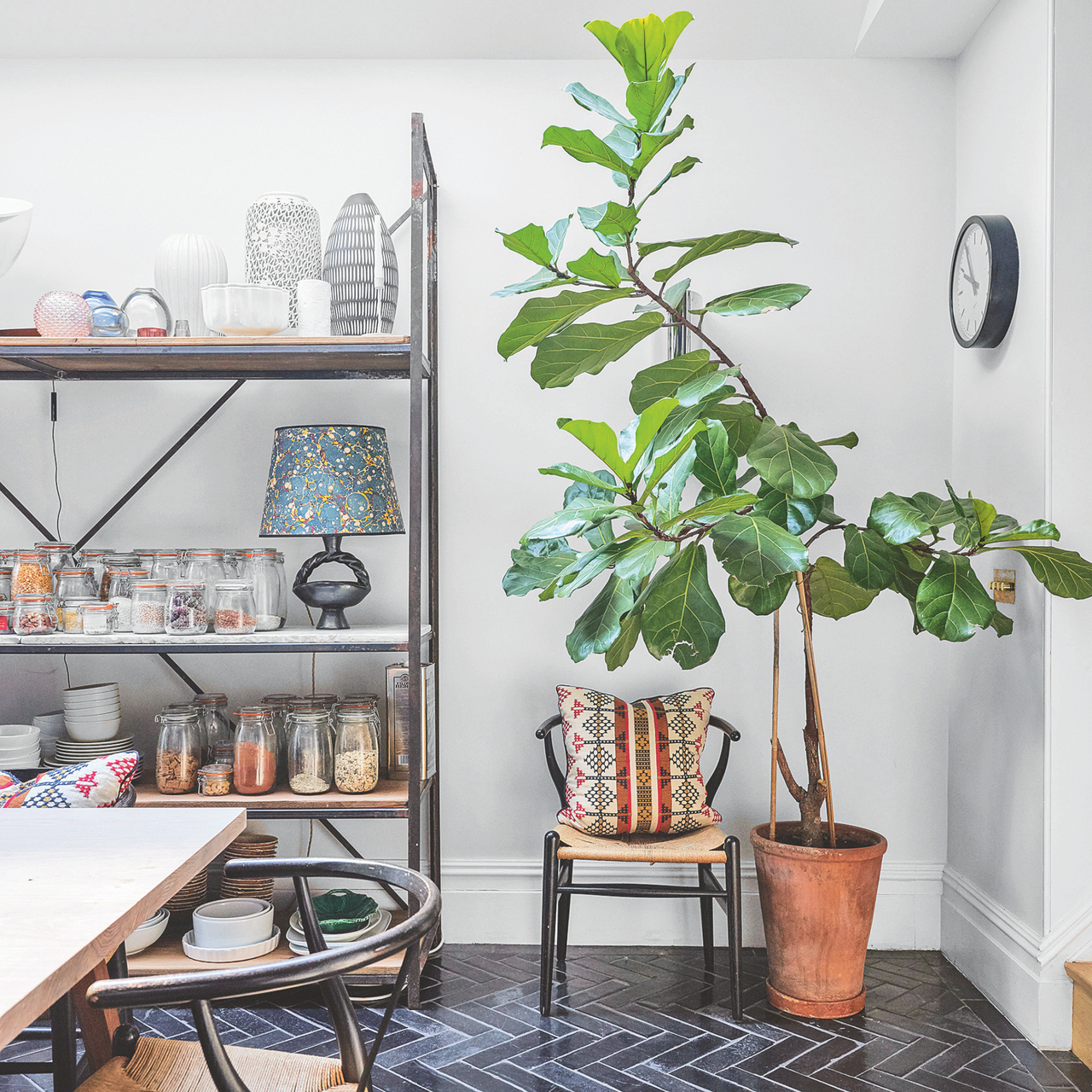
When cleaning your home, do you pay much attention to your houseplants? As you wipe, spray and spritz, droplets of product can end up on your plants and cause damage, experts have revealed.
Plant parents should be aware that not even the best houseplants can withstand the harsh chemicals used in some cleaning sprays. And if you’ve been wondering why your plant is suffering from brown, crispy patches, the answer could be sitting within a cleaning bottle.
With many cleaning products relying on ingredients such as bleach, you could accidentally be harming plants when cleaning, even if you exclusively own ‘unkillable’ houseplants. Here’s everything you need to know, and how to clean around your plants.
The warning
‘It’s best not to use household cleaning products around houseplants. Products like bleach, vinegar or washing-up liquid can burn plant leaves, causing crispy brown patches where the liquid was sprayed,’ explains Gemma Haigh, founder of The Plant Parlour
‘Sodium hydroxide burns and destroys plant cells, so any cleaning products containing this active ingredient are also harmful. This could include oven cleaners and degreasers, laundry detergents, stain removers and other chemical sprays.
‘Even washing liquid detergents can remove the waxy layer on the surface of leaves, so use in moderation if spraying your plant for pest control!’
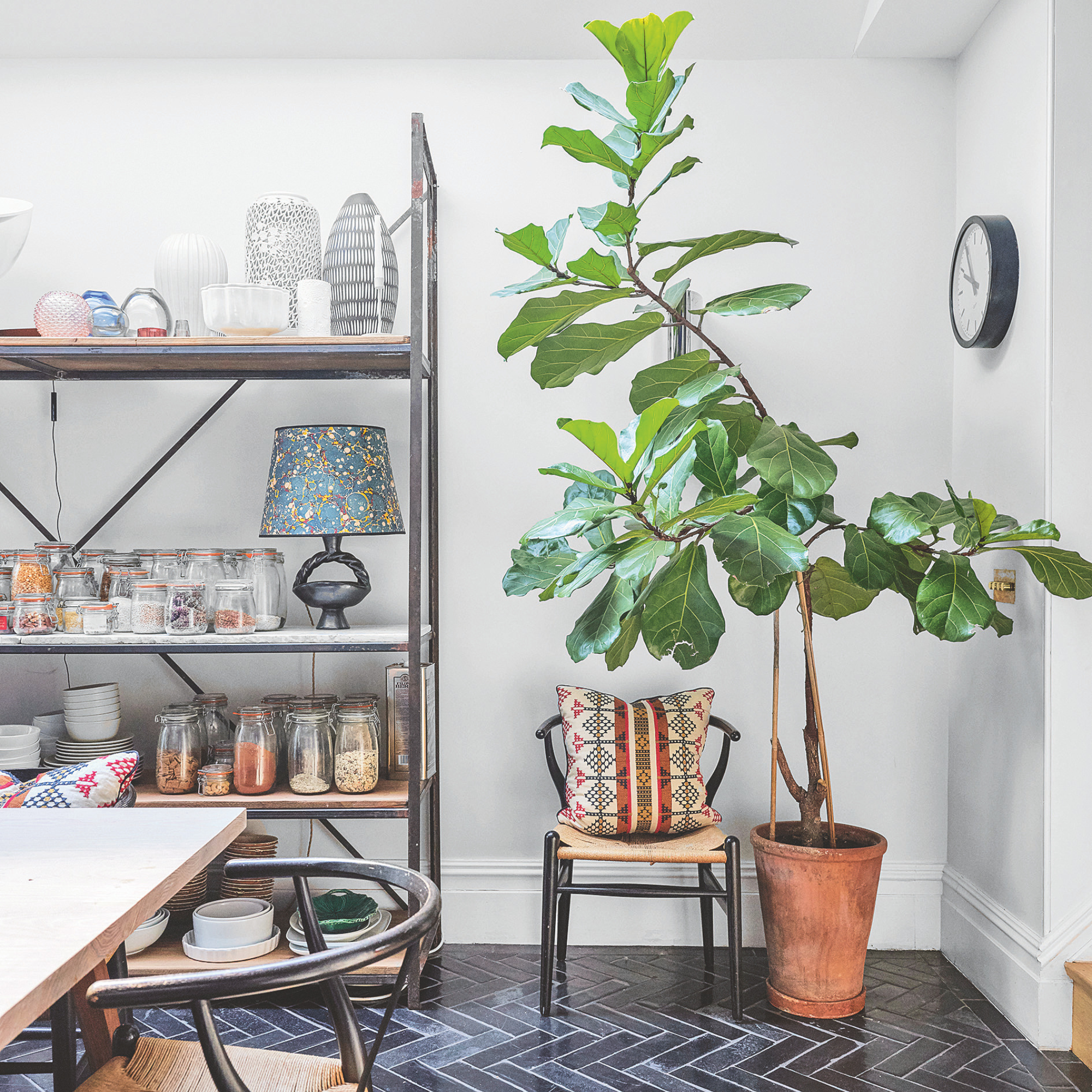
I’m not about to tell you to chuck your best cleaning products in the bin. After all, a clean, hygienic home is non-negotiable. However, experts at Ecover are warning we should be careful when cleaning homes, to ensure the product doesn’t come into contact with our plants.
‘Some cleaning products, particularly those containing chlorine-based bleach, are highly reactive and designed to break down organic material. In plant care, it’s widely recognised that these types of ingredients can damage leaf tissue and affect how plants grow if they come into contact with them,’ a spokesperson said.
‘That’s why simple changes, like applying sprays onto a cloth rather than spraying them into the air, can help reduce any impact in plant-filled homes.’
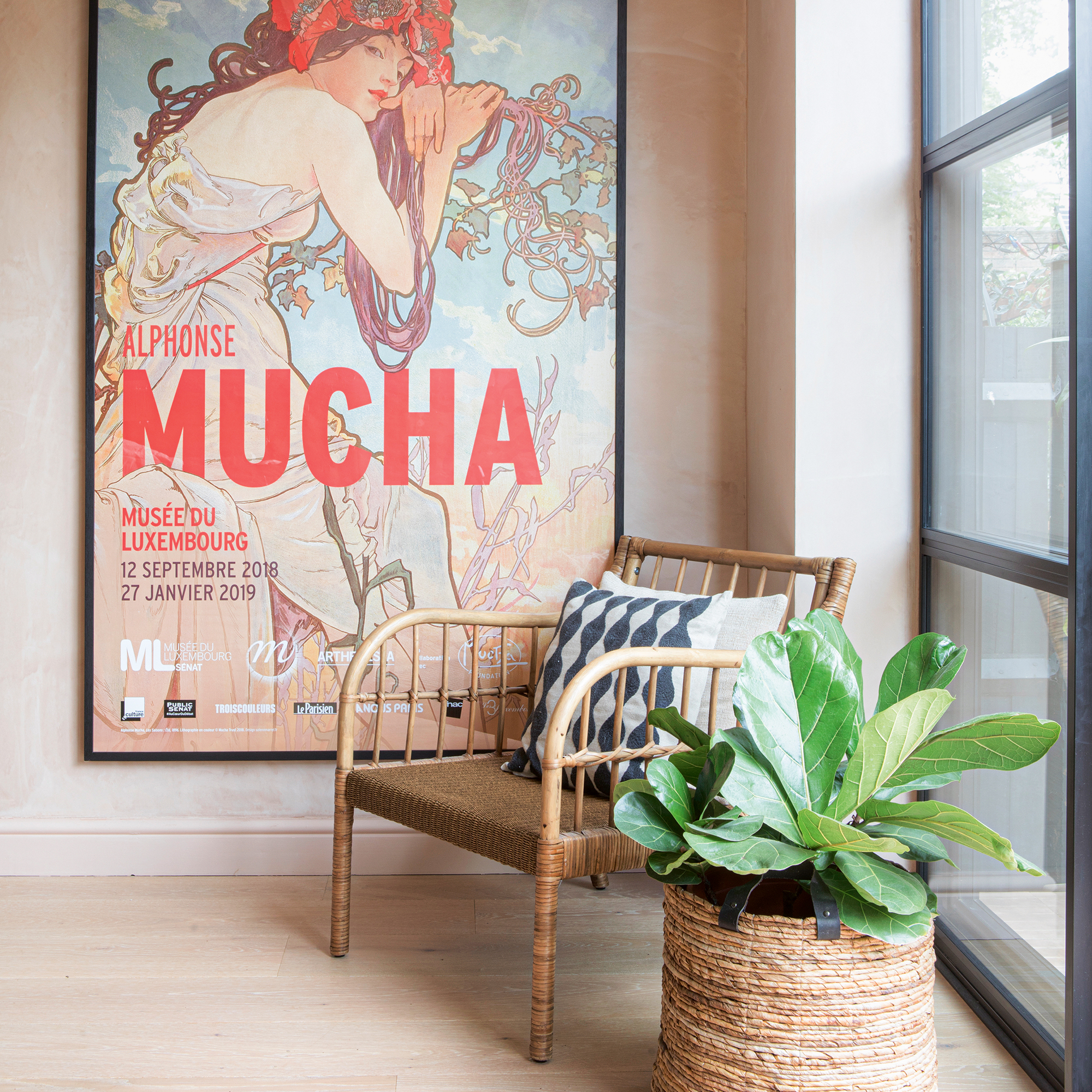
When cleaning, you should move your houseplants out of the way before you start. It’s an easy solution, but not always practical if you are someone who owns hoards of plants. Alternatively, you can use a cover (£3.99, Amazon) or a bag to place over your plants when cleaning.
‘If you get chemical cleaning products on your plant by mistake, rinse thoroughly to ensure you dilute any liquids. This should reduce the chances of the chemicals damaging your houseplant. If you accidentally tip a dangerous solution into your soil, it’s best to rinse the roots and repot your plant in fresh soil, throwing away the soil with chemicals in it,’ adds Gemma.
White vinegar is an excellent natural cleaner that doesn't contain any harsh chemicals.
Ecover products don't contain chlorine-based bleach so is safe to use around your home and plants.
This clever tool is perfect for cleaning radiators, blinds, mirrors and skirting boards without the need for a spray or product.
If you’re giving your home a spring clean this month, remember to cover or move your plants beforehand, keeping them happy and healthy.