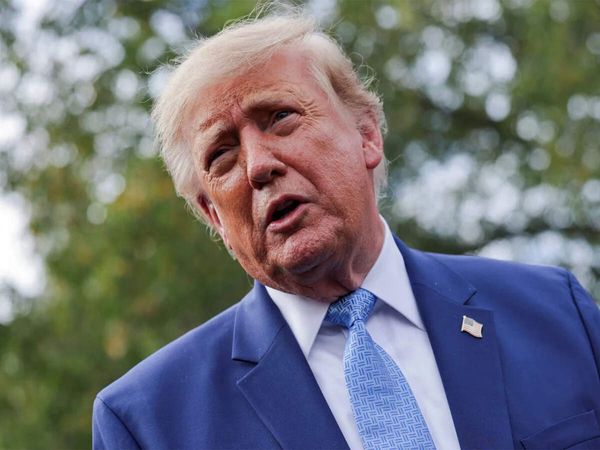
In the aftermath of Trump v. United States, I wrote a series of posts breaking down most facets of the opinion as a doctrinal matter (1, 2, 3, 4, 5, 6, 7, 8). My general impression is that the decision was not premised on original public meaning, but was a mishmash of precedent, pragmatism, and "traditionalism." Yet the reaction was one of stunned outrage! It is the next Roe v. Wade. We need a constitutional amendment to overrule it. We need to pack the Supreme Court! And so on.
Never forget, most commentary about the Supreme Court is performative. Critics have a vested interest in making the decisions seem so much worse than they really are. There really should not have been much of a surprise here.
First, Nixon v. Fitzgerald has been on the books for decades. That decision established absolute civil immunity for all acts within the "outer perimeter" of the President's duties. No one asked the Court to reconsider Nixon, so that was precedent. During oral argument, Justices Jackson and Sotomayor repeatedly tried to explain why civil immunity made sense, but criminal immunity did not. But the majority disagreed. Critically, the Court found that it would make no sense to provide immunity for civil suits, but not for criminal prosecutions. Indeed, as I noted, the risks from a criminal prosecution of the President are greater than the risk of a civil lawsuit. One the Court declined to distinguish civil and criminal suits, it follows naturally that the absolute immunity recognized in Nixon would apply in the criminal context for Trump. None of this should be surprising.