
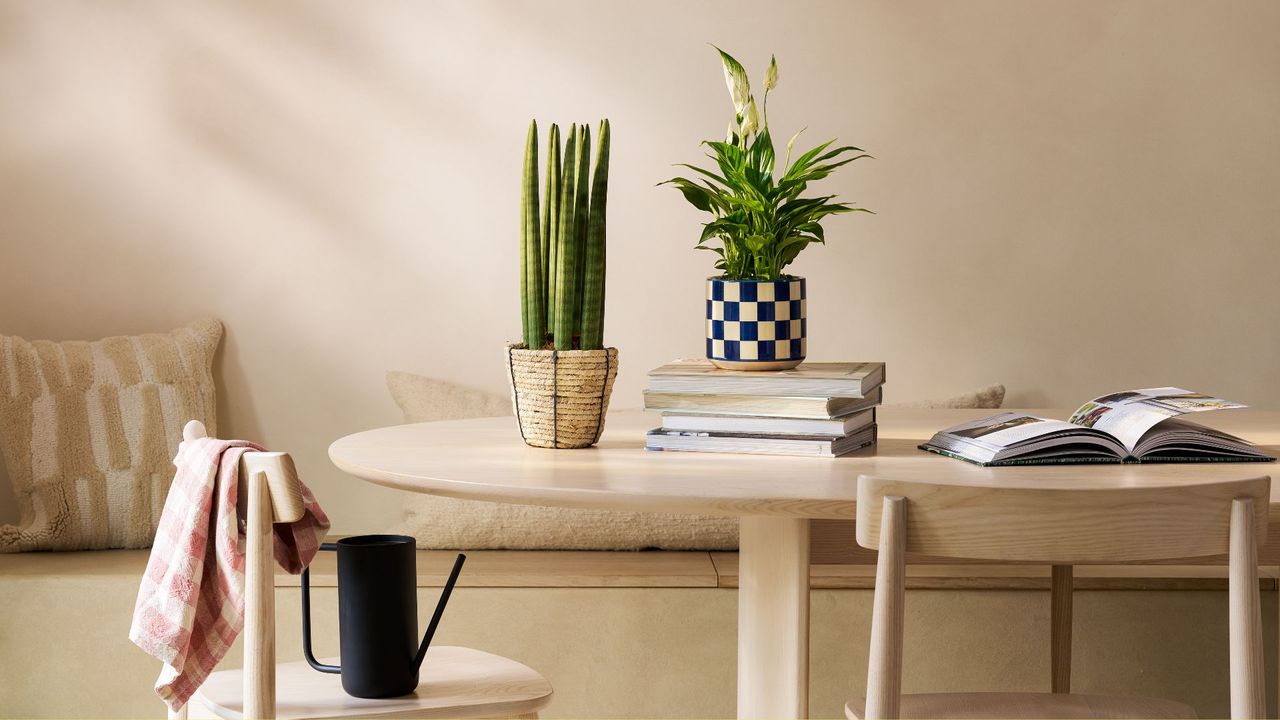
Every other space in your home is treated to a declutter, so why not your houseplants? It might be tough to let go of your potted menagerie, especially with all the love you put into growing them. However, there comes a time when some plants just need to go.
But it's not the same as decluttering your home. Unlike other items in your home, plants can be a little tougher to downsize. So, I spoke to the experts and put together three tips to help with this task.

From removing plants that no longer bring you happiness to letting go of struggling cultivars and keeping only what you can actually maintain, here's what you need to know.
How to Declutter Your Houseplants

Just as there are things to throw out of your garden outdoors, there is a need to declutter your indoor garden, too. "I personally manage over 200 houseplants, and every spring, I perform what I like to call a 'plant audit' to declutter my collection," says Paris Lalicata, plant expert at The Sill.
"This helps me manage expectations and ensures I can provide the best possible care for every plant I have. It’s easy to get carried away as a plant parent, so penciling in a declutter every year can make all the difference."
Not only will this make your houseplant care schedule more manageable, but it'll also help you curate an interior garden that brightens your space, rather than reducing the aesthetic value of your green corner.
1. Remove Plants That No Longer Spark Joy

According to Paris, it's completely natural for a plant collection to evolve over time. "If a particular plant no longer aligns with your lifestyle or space, rehoming it is the way to go," she advises.
"Gifting, organizing a plant swap, or even selling the plant is a wonderful way to share the joy you used to have with others while allowing you to focus on the plants you love more now."
Trust me, the KonMari method goes beyond just your closet. It can help your indoor garden, too.
2. Let Go of Struggling Plants

"Not every plant will thrive in every environment, and that’s okay," says Paris. "When a plant struggles despite your best efforts, it’s often more rewarding to compost it and reinvest that energy into a species better suited to your space or care routine."
Kelly Dyer, lead horticulturalist at Patch Plants, tells me that there are a couple of signs to look out for when paring back your indoor garden. "Let's say you spotted a few dead or yellow leaves, but you've also eyed signs of new healthy shoots? Tidy it up, keep nurturing it, and start feeding in April," she says.
"If your flowering plants, like peace lily or anthurium, have loads of flowers at first but have stopped producing any more, move them to a brighter spot. Then start feeding with a balanced houseplant food, and be patient."
However, if your plant has completely withered, yellowed, or if it simply hasn't shown any signs of lush life (even after attempts to rescue it), then it might be time to save your energy for the plants that have potential.
3. Keep Only What You Can Maintain

"Our schedules (and possibly environments) are constantly changing, so if your collection has grown to a point where some plants are being overlooked, rehoming them is a responsible choice," says Paris.
"You want to ensure that every single houseplant in your care can thrive. Even if that means passing it on to someone with a more suitable environment."
This concept of curating a collection of plants that you can actually keep up with will help you adopt a sense of houseplant minimalism. And in turn, this will ensure that your indoor garden is always on the up and up.
If You're Decluttering Your Planters, Too
Color: Black
If you're making space for new plants, then you're making room for new planters, too. And check out this stylish footed bowl planter from West Elm.
Color: Silver
Let chrome home accessories influence your indoor garden with this chic Metal Flower Pot from Arket.
Color: Brushed Gold
You can also mix your metals for a cool indoor plant corner with this Organic Edged Metal Decorative Plant Pot from Dunelm.
Decluttering your houseplants is a great way to spring clean your home like a minimalist. And for more tips on design and decluttering, sign up for our newsletter.