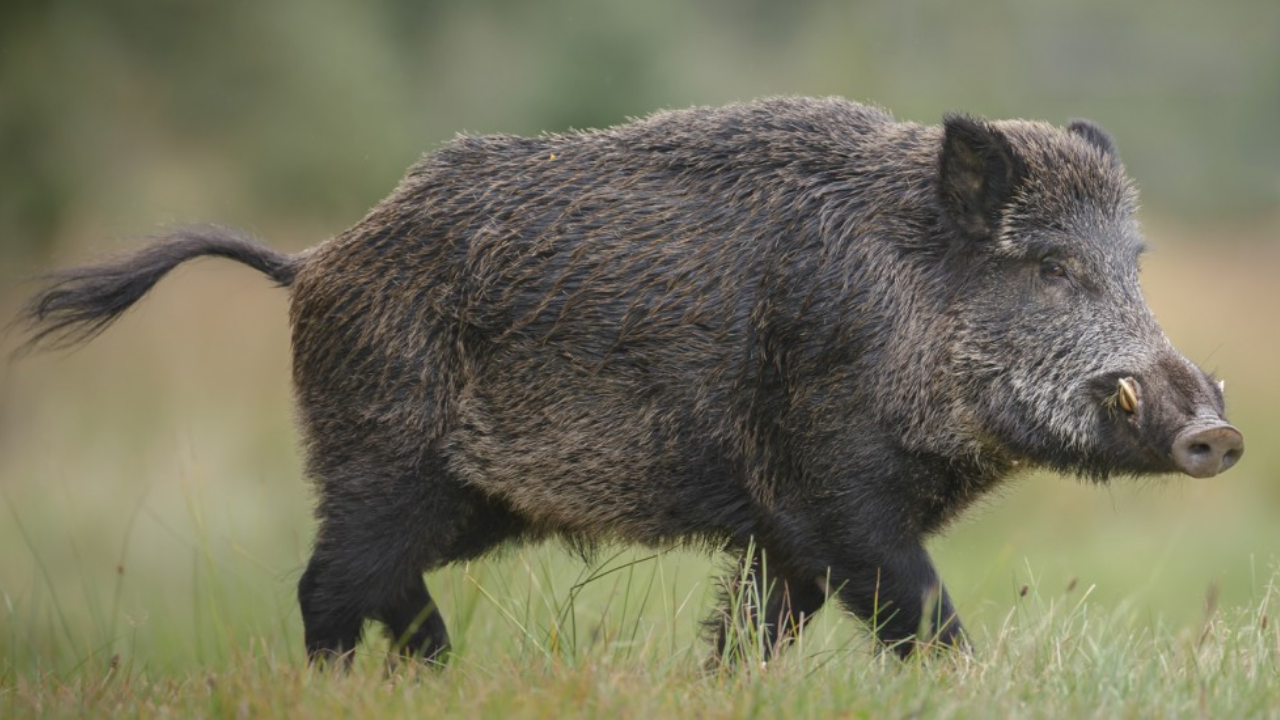
A shipment of European wild boars brought to a North Carolina hunting estate more than a century ago continues to cause serious ecological problems inside Great Smoky Mountains National Park. Park officials remove about 275 wild hogs every year to limit damage to fragile mountain habitats, according to data from the National Park Service’s species guide for the park. The animals trace their roots to 1912, when 13 wild boars arrived at a private 1,600 acre game preserve on Hooper Bald in Graham County, North Carolina. The preserve was created by George Gordon Moore, an adviser to English investors who owned local timber lands. The imported boars were kept alongside buffalo, elk, bears and thousands of game birds inside a fenced enclosure. However, the animals soon proved difficult to contain. Historical records from the North Carolina Wildlife Resources Commission say that during a hunt with dogs about eight to 10 years after their arrival, the frightened boars jumped over low sections of the rail fence and escaped into the surrounding mountain forests. By the late 1940s, the roaming animals had reached the area that became part of Great Smoky Mountains National Park. As they spread, they bred with feral domestic pigs left behind by former mountain homesteaders, producing a tough hybrid hog. The animals kept traits of their European ancestors, including long legs, coarse black coats, dark tusks and aggressive feeding habits.
Get breaking news anytime, anywhere. Download the TOI app now!