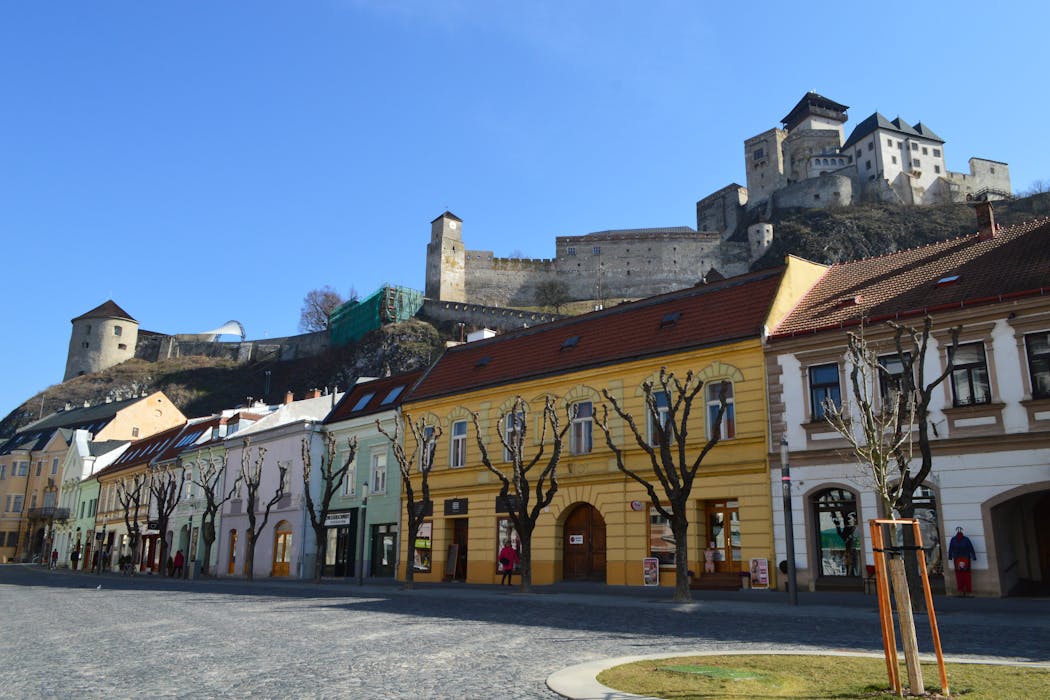
This year the cities of Trenčín in Slovakia and Oulu in Finland took the helm as Europe’s cultural beacon cities. As the Old Continent redefines its role on the global geopolitical stage, the European Capitals of Culture (ECoC) programme is at a turning point. The European Commission recently launched a public forum initiative to collectively rethink the future of the programme after 2033. ECoC’s role as a tool for cultural diplomacy is now more important than ever.
Created in 1985 against a backdrop of thawing Cold war tensions and the political construction of the European Union project, the European Capital of Culture initiative was initially designed to celebrate the continent’s cultural diversity. Since then, it has become a laboratory for contemporary policies, but also a barometer of the hopes, contradictions and challenges of Europe itself.