
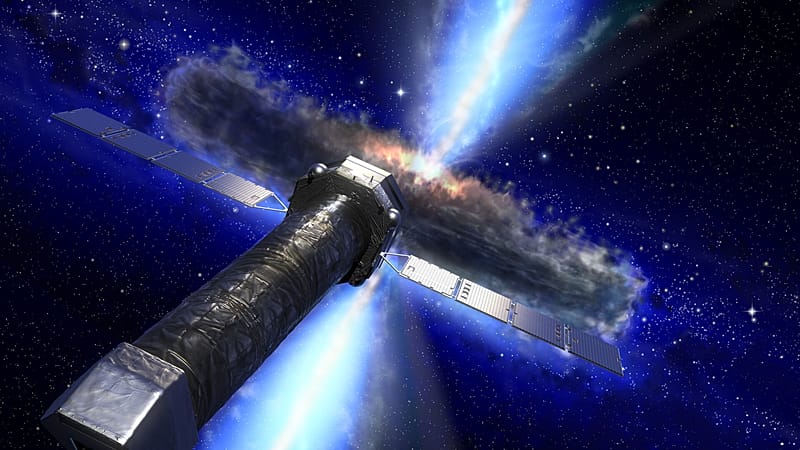
The European Space Agency's (ESA) future space observatory, the NewAthena telescope, could detect an unprecedented number of supermassive black holes – some formed when the universe was less than a billion years old.
At least that's the expectation of an international team led by Portuguese researchers who have created a simulated X-ray catalogue of the sky, using cosmological simulations to test NewAthena's ability to detect the faintest and most distant black holes.














