
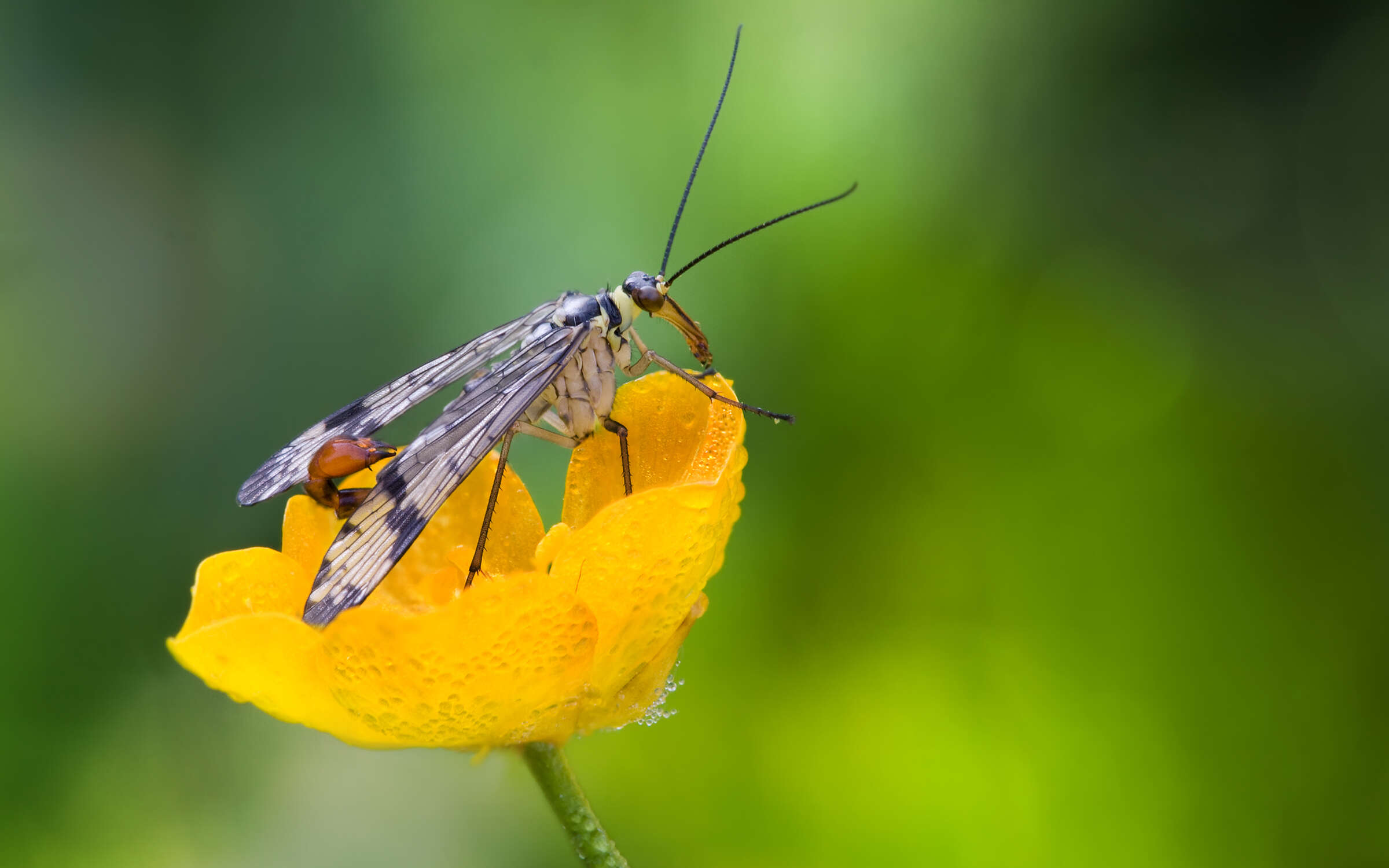
The soft, gentle hum of a bumblebee moving through a backyard garden or the brilliant flutter of a butterfly drifting across a meadow on a sunny day forms an integral part of the traditional European landscape. Over many years, these small creatures have been quietly fulfilling their duties while we move around in the outdoors, helping to weave the web of nature that we take pleasure in. These insects help keep landscapes healthy by supporting flowering plants and biodiversity. But a worrying silence has begun to spread across the continent as these important insects disappear.
Get breaking news anytime, anywhere. Download the TOI app now!

This ongoing disappearance is more than a concern for nature lovers or a small dip in insect numbers. It represents a massive, systemic crisis that threatens to destabilise vital societal functions, economic supply chains, and basic food security. When we think of pollinators, our minds almost always drift to the classic honeybee, but the reality is far more complex. A vast network of wild insects, including moths, beetles, hoverflies, and rare butterflies, perform the heavy lifting required to keep our natural world functioning safely. As their populations plummet under the strain of modern human development, the delicate balance of nature is beginning to crack.
To get a proper grasp of the severity of this environmental crisis, one hundred and thirty-five researchers worldwide have come together to publish a report on Zenodo . By using data collected through eight large-scale EU-funded projects, the complete white paper sends a grim message to society. Based on the findings, Europe could face serious challenges if wild pollinator declines continue. The stability of important societal services, economic supply chains, and basic food security will be at serious risk.
The white paper, published on 16 June 2026, synthesises evidence from eight Horizon Europe projects and argues that pollinator stewardship must be built into agriculture, chemicals, trade, planning, finance, research and education rather than left to environmental policy alone. It warns that wild pollinators are facing multiple interacting pressures — including land-use change, pesticides, climate change, reactive nitrogen and light pollution — and says the EU’s current siloed, sometimes conflicting rules are actively undermining restoration efforts.
The myth of green spaces
A major factor is a lack of awareness about these organisms’ needs. Many individuals across Europe, including homeowners, local councils, and farmers, have been trying to do their best to provide aid to these creatures. They have done this by planting colourful wildflower strips along roadsides and in crop fields. Though these beautiful patches add aesthetic value to the surroundings, scientists argue that they address only one part of the issue. They provide a place for adults to feed but do not meet all of their life-cycle needs.
Modern landscapes can become traps when flower planting is prioritised while nesting sites and larval habitats are destroyed. For instance, while an adult butterfly or moth might drink nectar from a garden flower, their juvenile caterpillars require highly specific, often unappealing host plants like nettles, weeds, and wild grasses to feed on. Because these messy, native plants are routinely cleared away to create neat lawns and uniform crop fields, young insects are starved before they ever get the chance to grow wings. This lack of larval host plants means flower-planting initiatives may have limited impact unless they are evidence-based.
This biological bottleneck may be worsened by limited ecological knowledge among individuals and corporations. Many individuals lack an understanding of the fact that certain nocturnal insects, such as macro-moths, serve as highly effective and essential pollinators alongside daytime bees. By focusing heavily on managed honeybees, we may have neglected many wild insects.
Domino effect in daily life
When a pollinator species disappears from an area, the effects can extend beyond farms. According to research by Zenodo, many industries depend on wild insects in some way. Plant species used for medicinal herbs, natural supplements, cosmetics, and textiles such as cotton and linen require insects’ help in reproduction.
Even the leisure and tourism sectors are quietly vulnerable to this ecological breakdown. The unique aesthetic charm of European travel destinations, from the lavender fields of France to the wildflower meadows of the Swiss Alps, relies on a diverse community of busy insects. As these plants struggle to reproduce without insect pollinators, the vibrant, biodiverse landscapes that define regional identity and attract millions of visitors could slowly degrade into dull, monotonous fields.
To support a sustainable future, the above-mentioned study provides fifteen evidence-based recommendations on implementing pollinator stewardship, which includes reducing pesticide application, protecting natural larval environments, and introducing ecological training across professional fields. The report argues that protecting pollinators is important for wildlife and for human livelihoods.







