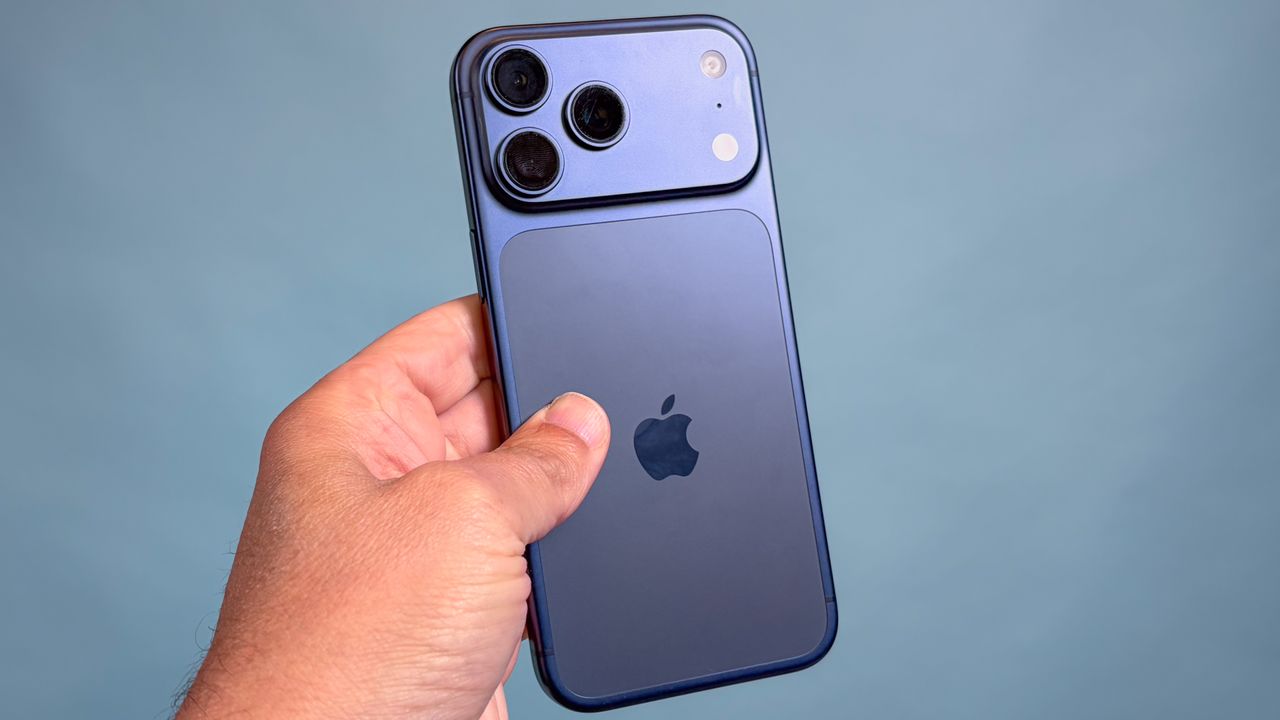
The EU loves to pass new laws about how gadgets, including smartphones, should operate. It's the reason why different phone makers adopted a common charging cable, and why Apple finally started opening up its walled garden to users in the region.
Now, legislators are coming to the phone repairability issue, with an emphasis on ensuring phone batteries can be replaced more easily.
This is far from the first time we've heard about these rules, and the legislation dates back to at least mid-2023. Now, those laws are set to come into force in February 2027, which means any phone put on sale within the EU will need to be designed so that batteries can be replaced. Though, funnily enough, it appears Apple is the exception to this new law.
As spotted on Reddit, the legislation's support documents note that devices with batteries that maintain 80% capacity after 1,000 recharge cycles are exempt. Apple has fulfilled those requirements since the release of the iPhone 15, which is quite funny considering how much of a stink it made about having to add user-replaceable batteries.
Apple doesn't appear to be alone in this exemption, either. All smartphones sold in the EU have to have their batteries tested, and the results are publicly available.
The iPhone 17 Pro Max is rated for 1,000 cycles, as is the Google Pixel 10 Pro. However, the Samsung Galaxy S26 Ultra and Nothing Phone 4a Pro are rated for 1,200 cycles and 1,400 cycles, respectively.
It's worth noting that this law does not mandate removable batteries, which can be popped out by hand and replaced within a few seconds. Those fell out of favor many years ago, after phones started offering more robust water and dust resistance that required devices to be completely sealed.
Instead, it requires that batteries should be "readily removable and replaceable" without users needing any "specialized tools" — unless those tools are provided free of charge when you buy the device. This means no using proprietary screws or hiding the battery so deeply in the phone that it's almost impossible to access without professional help.
Bloomberg also notes that it doesn't just apply to phones and tablets. Game consoles, smart glasses, e-bikes and even toys will be affected by these rules as well. However, exemptions do exist for medical devices and for items intended for underwater use.
It's going to be interesting to see how those rules are enforced with earbuds, which are among the least repairable gadgets on sale right now.