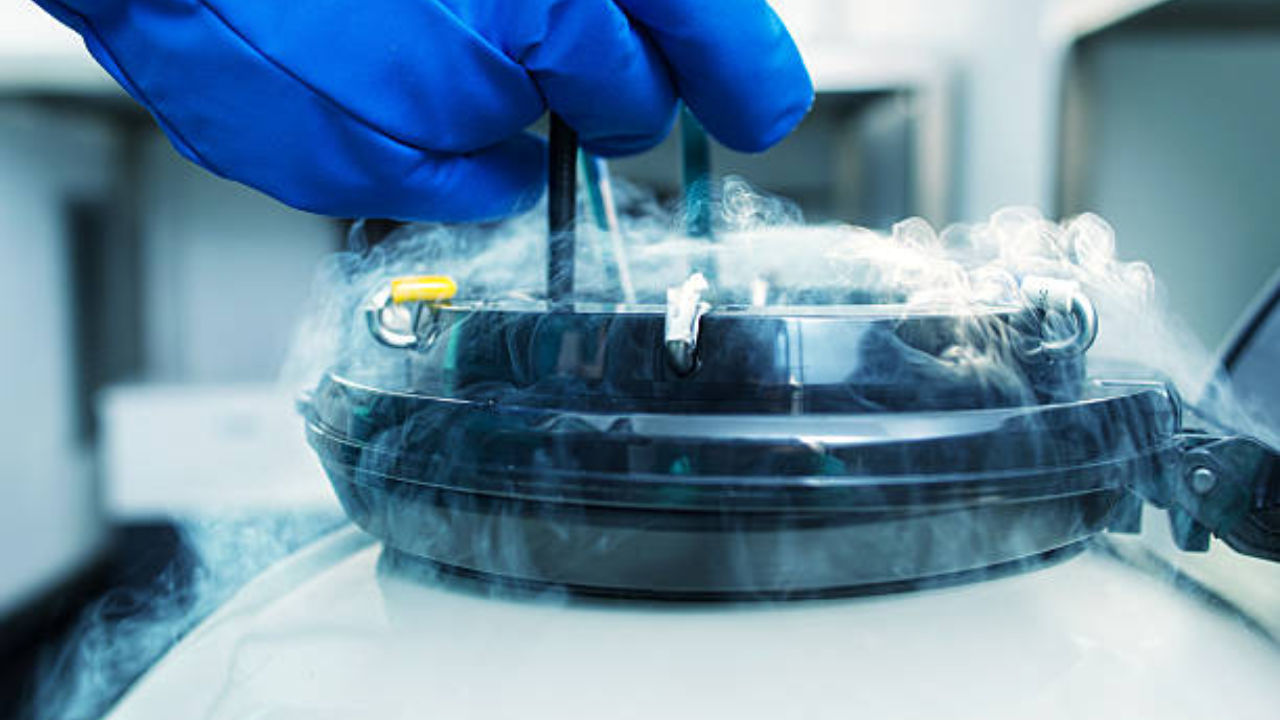
Previously considered an experimental procedure, egg freezing has evolved into a widely recognized method for preserving fertility, particularly for women who are not yet prepared to start a family due to personal or professional reasons. Despite this, the adoption of egg freezing remains sluggish in societies like India, where social norms heavily influence family decisions. In such cultures, egg freezing is often perceived as a pessimistic view of future marriage prospects or a fear of infertility, which can lead to hesitancy and anxiety due to potential family pressure and social judgment.
Furthermore, factors such as the COVID-19 pandemic, stress, efforts to reduce stress, and declining fertility rates worldwide have prompted more individuals to consider fertility preservation options. Despite increasing awareness of these options, there still exists a significant knowledge gap regarding the importance of timing. Many individuals, especially women, postpone considering fertility preservation until their late thirties or early forties when their fertility begins to decline rapidly. However, early intervention is crucial, as delays significantly reduce the success rates of assisted reproductive technologies like in vitro fertilization (IVF).