
For more than a year, one question has hung over every artificial intelligence stock. When does the spending slow down?
Elon Musk just gave investors a fresh clue, and it wasn't the answer the skeptics wanted. Musk is racing to build as much AI computing power as he can, as fast as he can. His latest update suggests that race is accelerating.
For Nvidia (NVDA) shareholders, the new announcement is worth paying attention to.
Why Nvidia Stock Rides the AI Wave
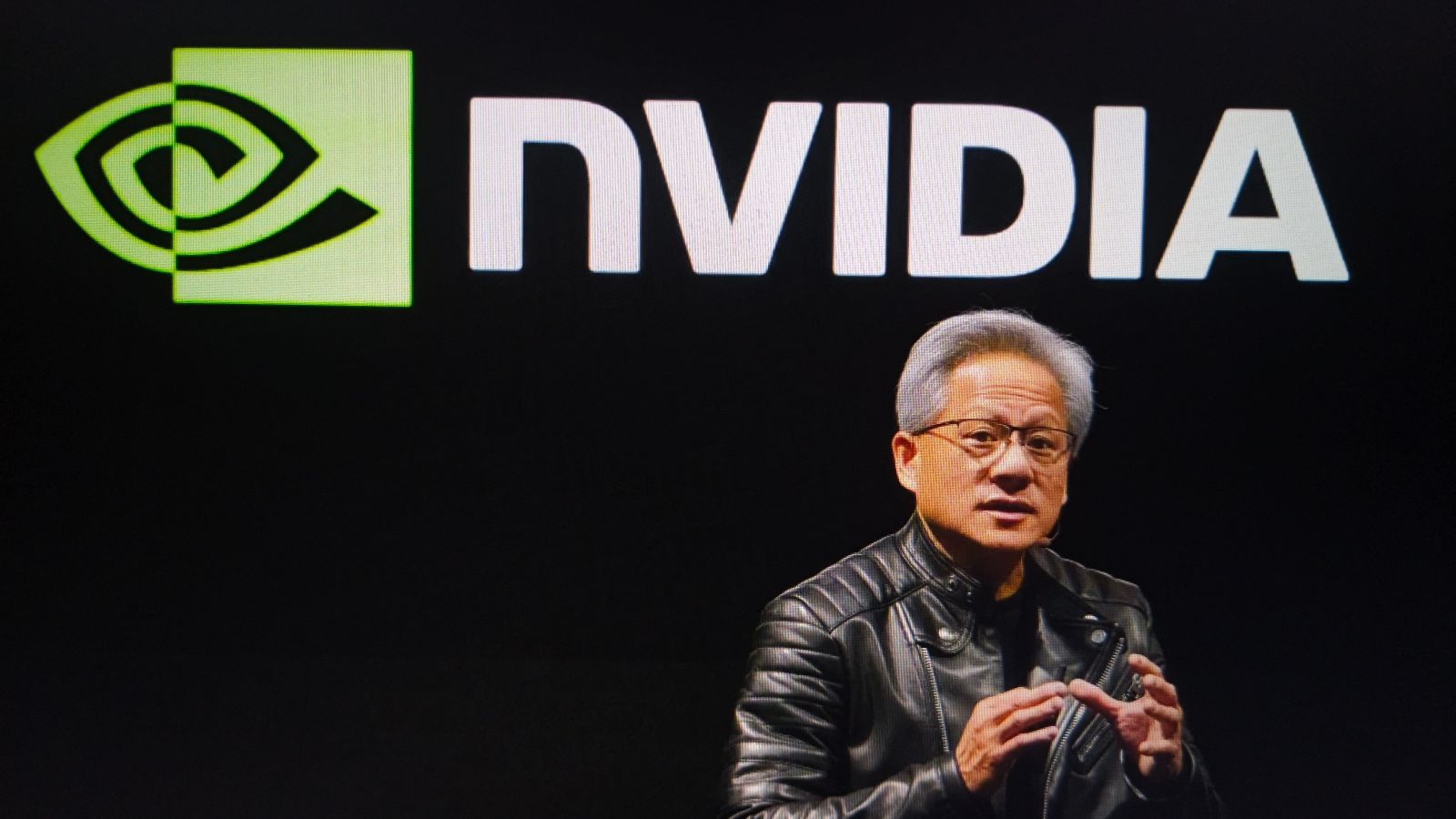
To see why Musk's plans matter, start with Nvidia CEO Jensen Huang. Last year, Huang predicted that AI infrastructure spending could reach $3 trillion to $4 trillion by 2030. Plenty of investors thought that number was too optimistic.
At the Goldman Sachs Communacopia + Technology Conference on Sept. 10, Huang opened with a joke. He said the audience should pause and "acknowledge that I was right."
His reasoning is fairly simple. For decades, computers mostly retrieved information that was already stored somewhere. AI works differently, since LLMs generate a fresh answer for every question, which significantly increases demand for computing power and chips.
Colossus 2, the Memphis area cluster built by xAI, may more than double its current Nvidia chip count by the end of the year, Bloomberg reported, citing a post Musk made on X.
Here is how the numbers stack up, according to Musk:
- Colossus 2 already runs 110,000 Nvidia GB200 chips and 440,000 GB300s.
- Another 220,000 GB300s were set to go live the following week.
- A further 220,000 are expected in November.
- One more batch of 220,000 could arrive in late December "if we get lucky," Musk said.
Put simply, the cluster has about 550,000 Nvidia chips today, and this number could soon top 1.2 million. xAI previously said it planned to equip its Memphis facility with 1 million graphics processing units by 2026.
The ties between the two companies run deeper than chip orders. Huang said at the Goldman event that Grok "is doing fantastic." SpaceXAI (SPCX) is also using Nvidia's new Open Agent Safety Platform for Cursor coding agents and Grok models, according to a company statement.
Jensen Huang Says Demand Outpaces Supply
On Nvidia's recent earnings call, the chipmaker expressed confidence in delivering 70% revenue growth next year, as Goldman Sachs analyst James Schneider recapped at the conference.
Unconstrained demand growth, meaning what customers would buy if supply were unlimited, is running above 100%. In other words, Nvidia could sell even more if it could build more.
Huang pointed to reports he had seen that morning showing Grace Blackwell NVLink 72 rack volumes up 27% from one month to the next.
"That compounds," he said.
The bottleneck is the supply chain. Huang listed packaging, memory, connectors, voltage regulators, and wafers as tight spots. Land, power, and building space for data centers are also scarce. Musk's "if we get lucky" line fits that picture. The challenge for Colossus 2 is getting these chips installed fast enough.
What It Means for Nvidia Stock Price
Huang pitched Nvidia as both a growth stock and a value stock.
A one-gigawatt data center costs roughly $60 billion. Spread over six years, that works out to about $10 billion a year. Yet that same capacity currently brings in about $50 billion a year in rental revenue, Huang said.
He also pushed back on critics who call Nvidia's investments in customers "circular" financing. "We put in 1 and 100 comes back in. Is that circular? If that is, let's do more of that," Huang said.
Valued at a market cap of $5.5 trillion, Nvidia is the world’s largest company. Over the past decade, NVDA stock has returned 13,600% to shareholders. It means a $10,000 investment in Nvidia stock 10 years ago would be worth $1.37 million today.
Out of the 50 analysts covering Nvidia stock, 46 recommend “Strong Buy,” three recommend “Moderate Sell,” and one recommends “Strong Sell.” The average NVDA stock price target is $326, above the current price of $229.
The board authorized an additional $150 billion in share buybacks, raising the total remaining authorization to $235 billion. Nvidia expects to use it through fiscal 2028. Huang said the authorization reflects the company's confidence in the opportunity ahead. Buybacks reduce the number of shares outstanding, which can support the Nvidia stock price over time.
Musk's timetable is not a guarantee. Chips can arrive late, and he admitted the December batch depends on luck. Still, the message is hard to miss. One of the world's most aggressive AI builders wants more than a million Nvidia chips, and Huang says the rest of the market is lining up too.