
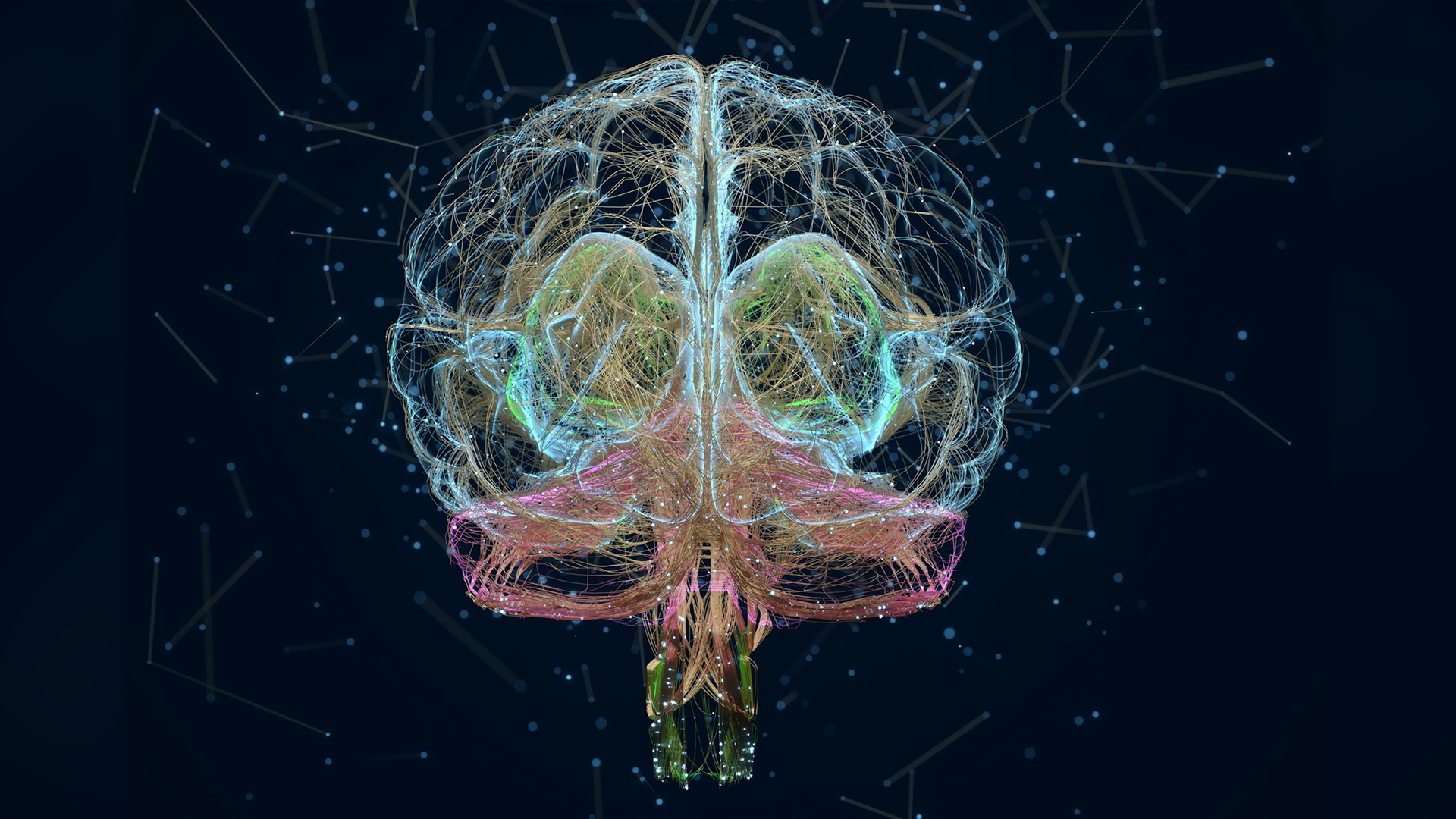
Putting a computer inside someone's brain used to feel like the edge of science fiction. Today, it's a reality. Academic and commercial groups are testing "brain-computer interface" devices to enable people with disabilities to function more independently. Yet Elon Musk's company, Neuralink, has put this technology front and center in debates about safety, ethics and neuroscience.
In January 2024, Musk announced that Neuralink implanted its first chip in a human subject's brain. The Conversation reached out to two scholars at the University of Washington School of Medicine — Nancy Jecker, a bioethicst, and Andrew Ko, a neurosurgeon who implants brain chip devices — for their thoughts on the ethics of this new horizon in neuroscience.