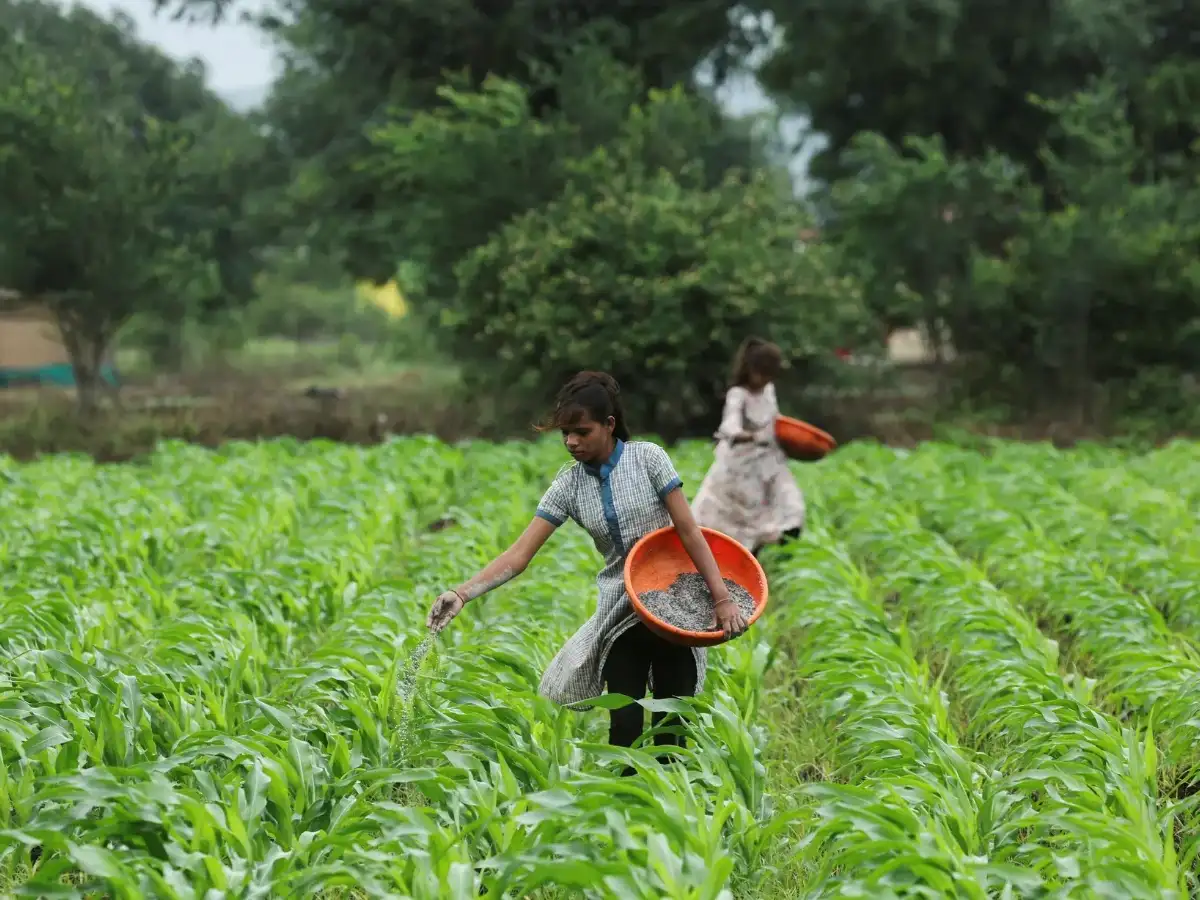
You might think that the world’s supply chains are returning to normal now that oil appears to be flowing unhindered from the Persian Gulf for the first time in four months. Watch out for what’s happening on the far side of the Arabian Sea, though. The key input into another sort of value chain is misfiring just when it’s needed most: India’s monsoon rainfall.
It might seem strange to liken the weather to a component of an industrial system, but that’s the way it has worked in India for millennia. The arrival of the southwestern monsoon during June is so weirdly regular that you can set a just-in-time agricultural calendar by it. Europeans had little warning of the heatwave currently bearing down on the continent until recently, but the near two-week delay in rains reaching Mumbai this week was enough to provoke nervous headlines.