Get all your news in one place.
100's of premium titles.
One app.
Start reading
The Economic Times
The Economic Times
Trending Desk

Ekadashi September dates: Check Aja and Parivartini Ekadashi dates, tithi and Parana timings

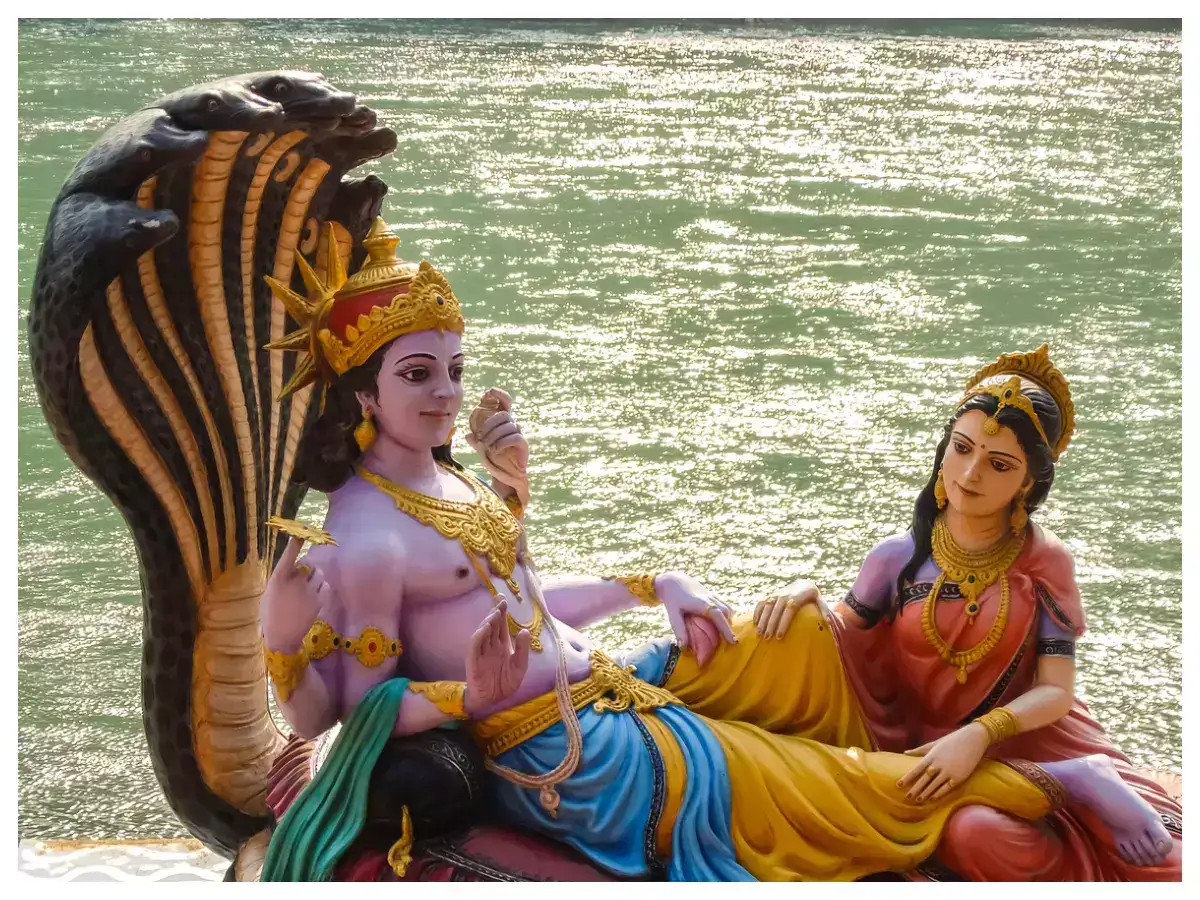
Ekadashi will be observed twice in September 2026, with devotees observing fasts and offering prayers to Lord Vishnu on both occasions. The two Ekadashi dates falling in the month are Aja Ekadashi on September 7 and Parivartini Ekadashi on September 22.

Ekadashi is observed on the 11th lunar day and occurs twice during each lunar month — once during Krishna Paksha and once during Shukla Paksha.

Ekadashi September 2026 Dates

Ekadashi Date Day Paksha
Aja Ekadashi September 7, 2026 Monday Krishna Paksha
Parivartini Ekadashi September 22, 2026 Tuesday Shukla Paksha

Aja Ekadashi 2026 Date

Aja Ekadashi falls on Monday, September 7, 2026. Devotees traditionally observe a vrat, worship Lord Vishnu and spend the day in prayer, chanting and other devotional activities.

The Ekadashi Tithi will begin at 7:29 PM on September 6 and end at 5:03 PM on September 7. Those observing the fast can break it on September 8 after sunrise during the prescribed Parana period. In Delhi, the Parana timing is expected to be approximately 6:02 AM to 10:13 AM.

Parivartini Ekadashi 2026 Date

Parivartini Ekadashi, also known as Parsva Ekadashi, falls on Tuesday, September 22, 2026. Devotees observe a fast and worship Lord Vishnu, often offering Tulsi leaves, flowers and bhog while reciting Vishnu mantras.

The Ekadashi Tithi will begin at 8:00 PM on September 21 and conclude at 9:43 PM on September 22. The fast can be broken on September 23 during the prescribed Parana period. The Delhi/ISKCON Parana window is expected to be approximately 6:10 AM to 10:12 AM.

Ekadashi Fasting Rules

Ekadashi fasting practices can vary depending on family traditions, regions and Vaishnava customs. Common practices include:

  • Avoiding grains and cereals such as rice, wheat and regular flour
  • Avoiding pulses and lentils
  • Avoiding non-vegetarian food, alcohol and tobacco
  • Observing a water-only fast, fruit-and-milk fast or vrat with permitted foods, depending on individual tradition and ability
  • Spending more time in prayer, meditation, chanting or reading religious texts
  • Avoiding anger, arguments, gossip and other activities considered contrary to the spirit of the vrat
  • Breaking the fast on Dwadashi after sunrise and within the prescribed Parana period

What Can You Eat During Ekadashi Fast?

Devotees following a phalahari or food-based Ekadashi vrat generally choose foods that do not contain grains or cereals. Depending on individual traditions, commonly consumed vrat-friendly foods include:

  • Fruits
  • Milk and curd
  • Makhana
  • Nuts and seeds
  • Sabudana
  • Potatoes and other permitted vegetables
  • Singhara flour
  • Kuttu flour
  • Rajgira
  • Sendha namak

Fasting rules can differ considerably among communities and families, so devotees should follow the tradition observed in their household or local religious practice.

Foods To Avoid During Ekadashi

During a traditional Ekadashi vrat, devotees generally avoid:

  • Rice
  • Wheat
  • Maida
  • Regular atta
  • Other grains and cereals
  • Pulses and lentils
  • Beans
  • Non-vegetarian food
  • Alcohol

While some devotees observe a strict water-only fast, others consume fruits, milk or specially prepared vrat-friendly meals.

Ekadashi Puja Vidhi

Devotees can begin Ekadashi by taking a bath and wearing clean clothes. After cleaning the puja area, an idol or picture of Lord Vishnu can be placed on a clean platform.

A simple Ekadashi Puja Vidhi can include:

  1. Light a diya and incense
  2. Offer water to Lord Vishnu
  3. Offer fresh flowers and Tulsi leaves
  4. Offer fruits or other permitted bhog
  5. Chant Vishnu mantras such as “Om Namo Bhagavate Vasudevaya”
  6. Read or listen to the Ekadashi Vrat Katha
  7. Perform aarti
  8. Spend time in prayer, meditation or devotional activities

Ekadashi is traditionally considered a day dedicated to spiritual discipline, devotion and prayer, with devotees observing the vrat according to their faith, health and family traditions.

Sign up to read this article
Read news from 100's of titles, curated specifically for you.
Already a member? Sign in here
Related Stories
Top stories on inkl right now
One subscription that gives you access to news from hundreds of sites
Already a member? Sign in here
Our Picks
Fourteen days free
Download the app
One app. One membership.
100+ trusted global sources.