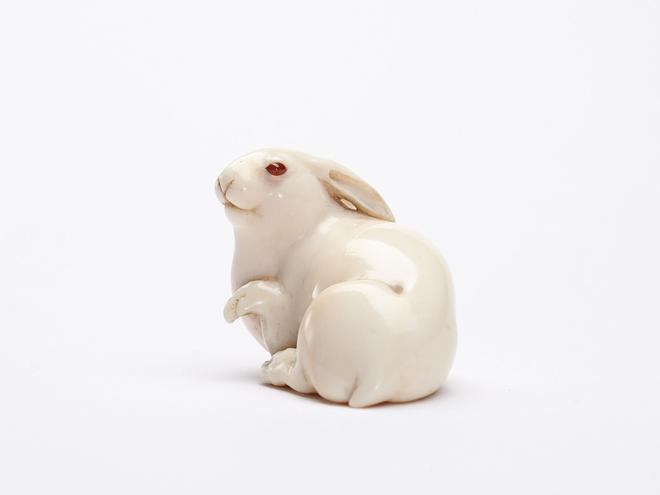
Twelve years ago, I discovered The Hare with the Amber Eyes, a memoir by celebrated British ceramist Edmund de Waal, in a book store in Edinburgh. It was another year before I read it and it became my all-time favourite book. Over the years, I have gifted it to friends, family, those I met at work and oftentimes to complete strangers. I’ve given away over 300 copies to a mix of people whose lives, in turn, have been enriched by its story — of inheriting 264 Japanese netsuke (carved wood or ivory figures, used as toggles to attach a pouch to a garment) collected by Charles Ephrussi, a beloved great-uncle, and its intermingling with the history of his family, which survived World War II by migrating across the globe. De Waal is the great-grandson of Viktor von Ephrussi, a banker in Vienna who fled the city after Hitler incorporated Austria into the Third Reich in 1938.
Back then, De Waal took a break from his commitments to research, travel and visit the sites of his Jewish family’s fortunes/misfortunes. Their displacement is tied to that of the netsuke collection, which moved through people and cities. It took seven years of research before the book was published in 2010. Since then, the “story of not just anti-Semitism and racism”, as he stated in a The New York Times interview, “but of polarization, and treatment of exiles, and migration”, has been translated into over 30 languages and had a phenomenal print run of over two million copies.