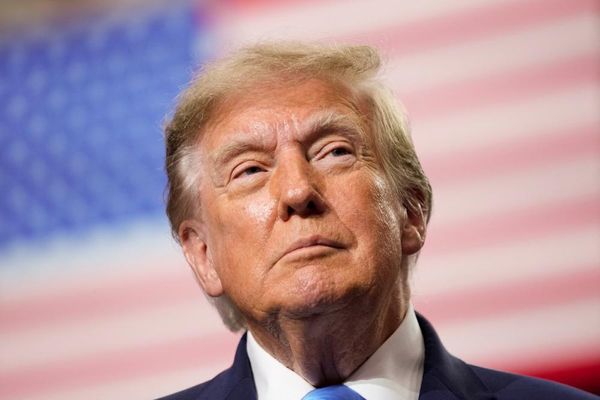
Back in 2017, when Congress and the Trump administration were pushing a bill to weaken hard-fought banking regulations, we warned that they were playing with fire. Barely a decade had passed since the 2007-2008 economic meltdown. Blatant abuses in the financial industry had more than merited the tough banking regulations that followed. Yet, now, Congress and the Trump administration wanted to weaken regulations to placate the banking lobby. One of the key players doing the banks’ bidding was Rep. Ann Wagner, R-Ballwin, who held (and still holds) a key seat on the House Financial Services Committee.
To recap how the meltdown happened: Reckless risk-taking by mortgage lenders had brought major financial institutions to the brink of collapse. The stock market tanked. Millions of Americans lost their homes, their jobs, their retirement accounts, or all three. Banks hated the tighter regulations imposed by the 2010 Dodd-Frank banking reform act and unleashed their most powerful forces — gobs and gobs of money — to lobby for a rollback.
Money talked. With billionaire Treasury Secretary Steven Mnuchin leading the charge on behalf of oppressed billionaire bankers, Congress agreed to dramatically loosen regulation thresholds so that smaller banks — those with less than $250 billion in assets — could take bigger risks again. Billionaire President Donald Trump signed the bill. Billionaire bankers cheered. Wagner’s campaign fund swelled. Also swept up in the fervor was former Rep. Barney Frank, D-Massachusetts, who found reason to push for reversal of his own banking restrictions. Why? Perhaps because he now held a lucrative board position at one of those smaller institutions: Signature Bank.