Get all your news in one place.
100's of premium titles.
One app.
Start reading
The Conversation
The Conversation
Moul Dey, Professor of Nutrition Science, South Dakota State University

Eating less ultraprocessed food supports healthier aging, new research shows

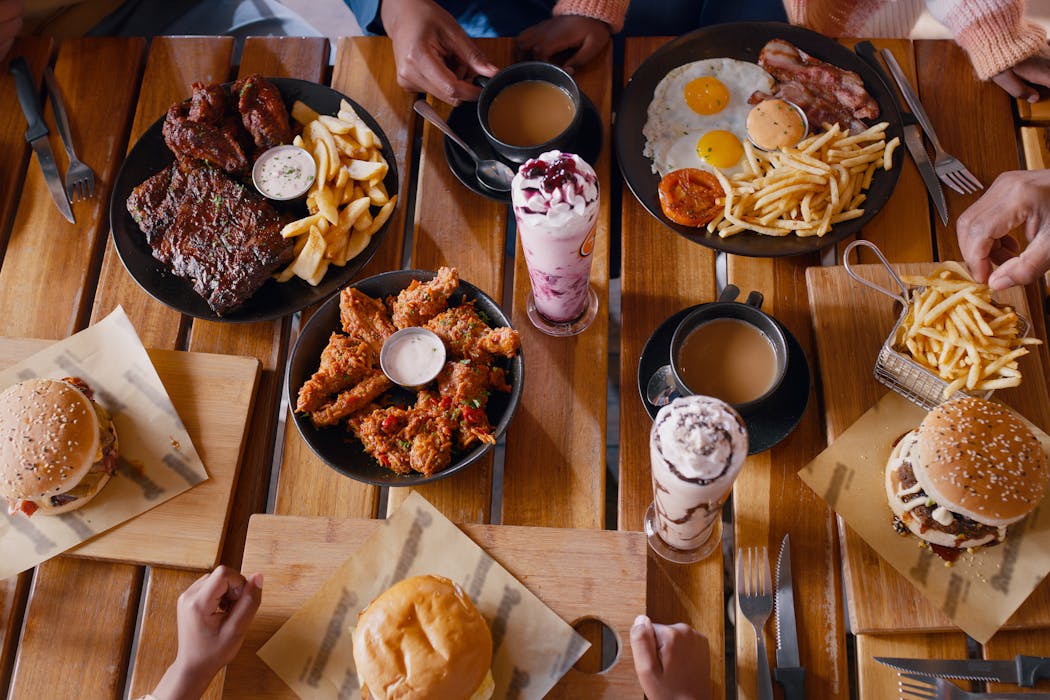
Studies have linked ultraprocessed foods to poor health outcomes, but such foods make up about half the calories of a typical American diet. Kobus Louw/E+ via Getty Images

Older adults can dramatically reduce the amount of ultraprocessed foods they eat while keeping a familiar, balanced diet – and this shift leads to improvements across several key markers related to how the body regulates appetite and metabolism. That’s the main finding of a new study my colleagues and I published in the journal Clinical Nutrition.

Ultraprocessed foods are made using industrial techniques and ingredients that aren’t typically used in home cooking. They often contain additives such as emulsifiers, flavorings, colors and preservatives. Common examples include packaged snacks, ready-to-eat meals and some processed meats. Studies have linked diets high in ultraprocessed foods to poorer health outcomes.

Sign up to read this article
Read news from 100's of titles, curated specifically for you.
Already a member? Sign in here
Related Stories
Top stories on inkl right now
One subscription that gives you access to news from hundreds of sites
Already a member? Sign in here
Our Picks
Fourteen days free
Download the app
One app. One membership.
100+ trusted global sources.