Get all your news in one place.
100's of premium titles.
One app.
Start reading
Budget and the Bees
Budget and the Bees
Evan Morgan

Eat This, Not That: Ultra-Processed Foods Raise Death Risk by 15% and Speed Cognitive Decline by 28%

Fast Food
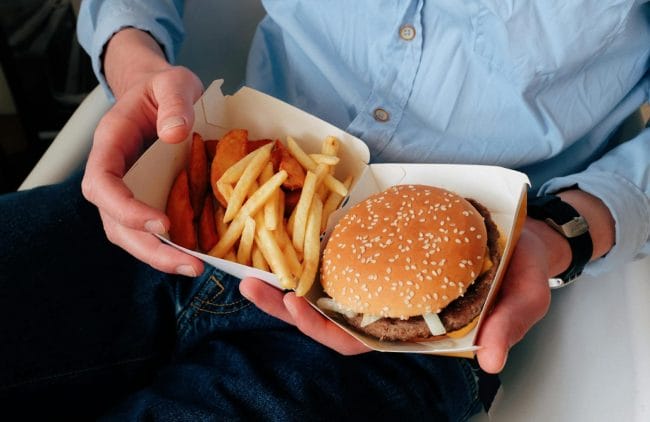
Eating too much ultra-processed food has been linked to cognitive decline – Pexels

A frozen pizza after work, a sugary breakfast bar on the way out the door, and chips during a late-night show can feel harmless. But researchers are increasingly connecting ultra-processed foods to serious long-term health risks, including higher death rates and faster brain aging. Some studies suggest diets high in these foods are linked to a 15% higher mortality risk, while research on brain health found heavy consumers experienced cognitive decline up to 28% faster than people who ate fewer processed products. The message is not about perfection or food guilt — it is about understanding what’s on your plate and making smarter swaps.

What Counts as Ultra-Processed Foods?

Ultra-processed foods are industrially manufactured products made with ingredients you would not normally use in a home kitchen. Think packaged pastries, soda, instant noodles, processed meats, flavored chips, and many frozen ready-to-eat meals. These foods are often engineered for convenience, long shelf life, and crave-worthy taste, but they typically contain high amounts of sodium, added sugars, unhealthy fats, and additives. A quick ingredient check can be revealing: if the label reads like a chemistry experiment, it may fall into the ultra-processed category. That does not mean every packaged item is dangerous, but regular heavy intake is what concerns health experts.

The Brain Health Warning Many People Miss

When most people hear nutrition warnings, they think about weight gain or heart disease. Brain health often gets overlooked, yet research has shown a strong connection between ultra-processed foods and cognitive function. One widely discussed study found adults consuming the highest amounts of ultra-processed foods had up to a 28% faster rate of overall cognitive decline compared with lower consumers. Researchers believe inflammation, poor metabolic health, and disruptions to the gut-brain connection may help explain the link. For a middle-aged adult already juggling work stress, poor sleep, and family responsibilities, diet may quietly add another layer of risk.

Eat This, Not That: Simple Swaps That Actually Work

Healthy eating does not require throwing out everything in your pantry. Instead of sugary cereal, try oatmeal topped with berries and nuts for fiber and steady energy. Swap packaged snack cakes for Greek yogurt with fruit, or choose roasted nuts instead of heavily flavored chips. If frozen dinners are your survival tool on busy weekdays, look for minimally processed versions with recognizable ingredients and extra vegetables. These practical changes can reduce ultra-processed foods in your diet without demanding a complete lifestyle overhaul.

Why “I’m Healthy Otherwise” May Not Be Enough

A common misconception is that exercise cancels out poor food choices. While physical activity matters enormously, studies suggest ultra-processed foods can affect health even in people who otherwise follow relatively balanced diets. Researchers have linked high intake to increased risks involving cardiovascular disease, stroke, metabolic issues, and cognitive impairment. That does not mean one meal ruins your health, but habitual reliance on these foods can gradually shift the odds in the wrong direction. Small, consistent improvements usually matter more than short bursts of extreme dieting.

Your Health Insurance Policy Might Start in the Kitchen

The strongest takeaway from current nutrition research is surprisingly empowering. You do not need a celebrity chef budget or a flawless meal plan to protect your health. Reducing ultra-processed foods by even a modest amount and replacing them with whole or minimally processed options may support better heart health, metabolic function, and sharper thinking over time. The goal is progress, not purity, because sustainable habits tend to beat restrictive rules. The next grocery trip may be a more powerful health decision than many people realize.

The Food Choices You Make Today Could Shape Tomorrow

Ultra-processed foods are deeply woven into modern life, but awareness gives consumers more control than they may realize. Small changes, such as cooking one extra homemade meal per week or swapping sugary snacks for whole foods, can add up over time. You do not have to eliminate convenience foods entirely to make meaningful progress. Paying attention to what fuels your body and brain is one of the most practical forms of preventive health care.

How much of your weekly diet comes from convenience foods — and would you be willing to make one small swap to protect your future brain health? Leave a comment and join the conversation.

What to Read Next

North Carolina’s Updated Food Safety Rules for Local Restaurants

Stop Eating Three Hours Before Bed? Study Says It May Curb Blood Sugar Spikes and Late-Night Cravings

Forget Pain Pills: Knee Bracing, Water Therapy and Exercise Beat Drugs for Arthritis Pain, New Study Finds

The post Eat This, Not That: Ultra-Processed Foods Raise Death Risk by 15% and Speed Cognitive Decline by 28% appeared first on Budget and the Bees.

Sign up to read this article
Read news from 100's of titles, curated specifically for you.
Already a member? Sign in here
Related Stories
Top stories on inkl right now
One subscription that gives you access to news from hundreds of sites
Already a member? Sign in here
Our Picks
Fourteen days free
Download the app
One app. One membership.
100+ trusted global sources.