
Get all your news in one place.
100's of premium titles.
One app.
Start reading
The Economic Times
The Economic Times
Muskan Singh

Earlier this year, RMIT engineers tested kestrel-inspired robots against turbulent winds in 2 studies. Today, their findings show that pairing wing and tail movements can boost lift and reduce instability in small aircraft

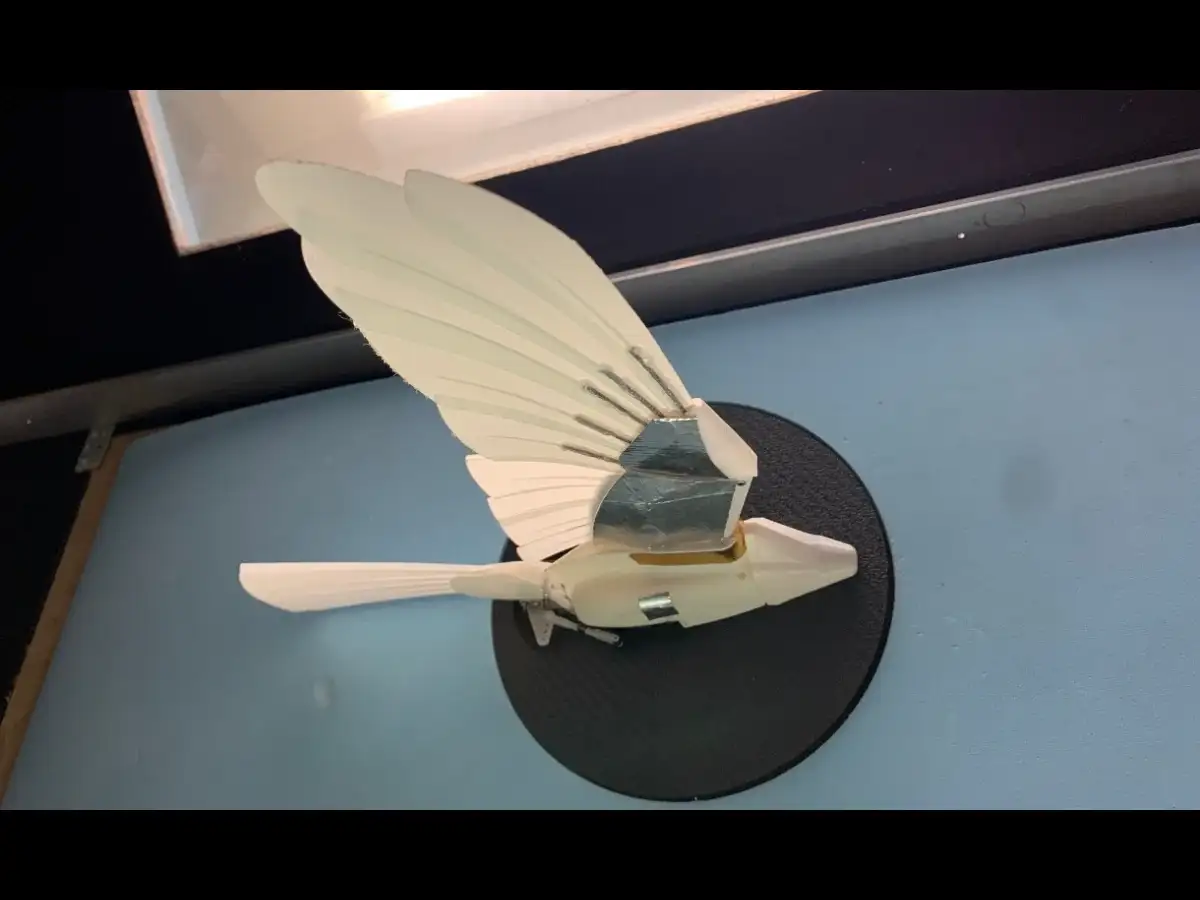
A tiny Australian falcon could offer engineers a new way to think about aircraft stability in turbulent winds. The nankeen kestrel is remarkably good at staying steady when gusts hit, making rapid adjustments with its wings and tail as conditions change.

Now, researchers have built a robotic version of the bird and tested its movements in wind tunnels. Their findings suggest that coordinating wing and tail movements could help small aircraft produce more lift while reducing instability.

Sign up to read this article
Read news from 100's of titles, curated specifically for you.
Already a member? Sign in here
Related Stories
Top stories on inkl right now
One subscription that gives you access to news from hundreds of sites
Already a member? Sign in here
Our Picks
Fourteen days free
Download the app
One app. One membership.
100+ trusted global sources.







