
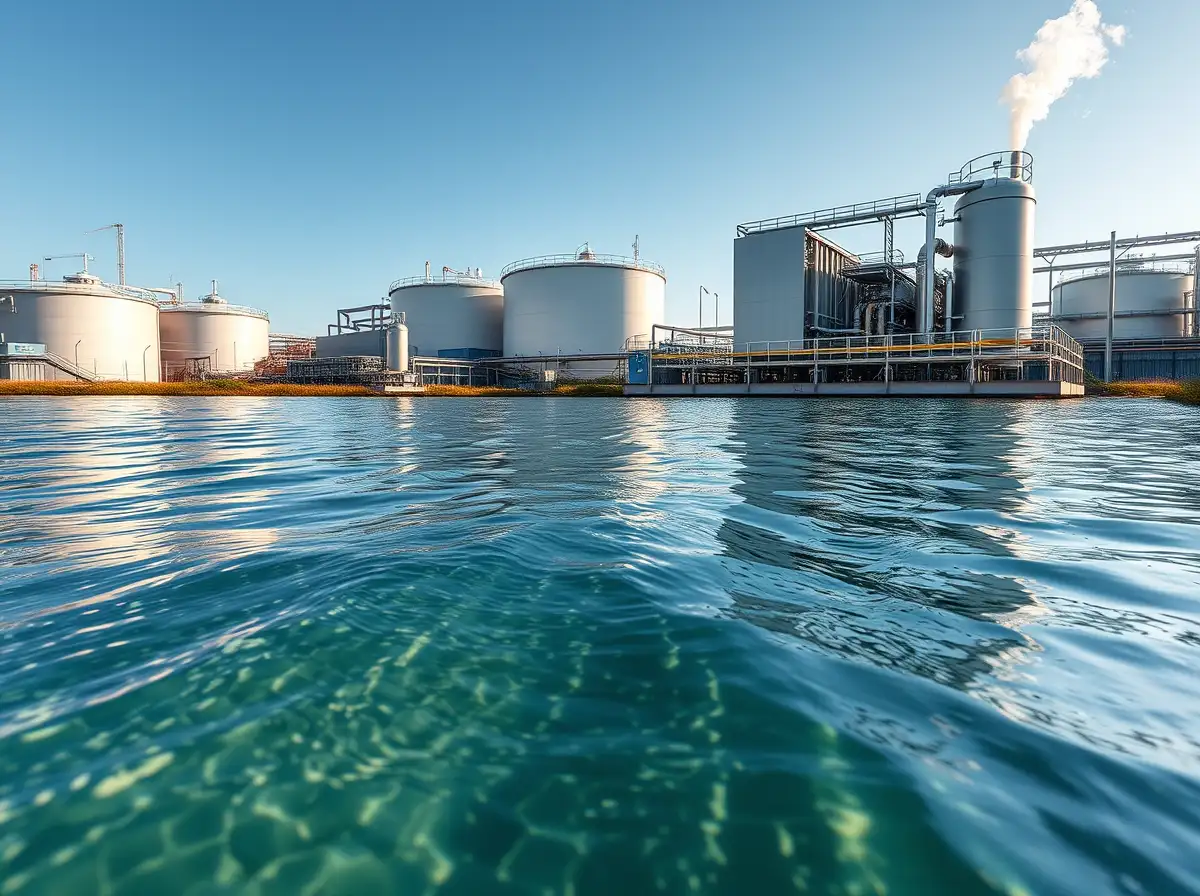
What if one of the dirtiest leftovers of modern life could become a source of cleaner energy instead of ending its journey in a landfill? Researchers at Washington State University are exploring exactly that possibility. In research reported in April 2026, the team demonstrated a new way to treat sewage sludge that dramatically increased renewable natural gas production while sharply reducing treatment costs. The approach combines high temperature, pressure and a small amount of oxygen before conventional anaerobic digestion, transforming difficult-to-break-down organic material into a much more valuable resource.
Sewage sludge is an unavoidable byproduct of wastewater treatment, but managing it is expensive and energy-intensive. Across the United States, wastewater treatment facilities consume a significant amount of electricity, and many plants rely on anaerobic digestion to reduce the volume of sludge and produce biogas. The problem is that conventional digestion cannot efficiently break down all the complex compounds contained in sludge. Much of the remaining material becomes biosolids that may ultimately require disposal. WSU's research offers a different vision: instead of treating sludge simply as waste, wastewater plants could extract more of its energy value.












