
Get all your news in one place.
100's of premium titles.
One app.
Start reading
The Conversation
The Conversation
Neil Loughlin, Lecturer in Comparative Politics, City St George's, University of London

Dynasties still dominate south-east Asian politics – in democracies and more authoritarian systems

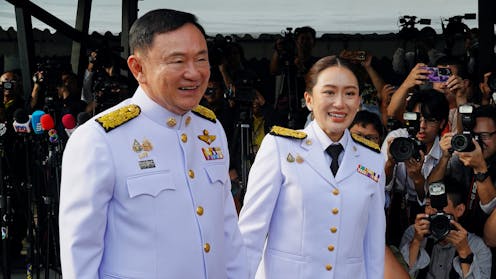
Paetongtarn Shinawatra walks with her father and prominent Thai political figure, Thaksin Shinawatra, before her endorsement as Thailand's prime minister in 2024. SPhotograph / Shutterstock

Dynasties are central to south-east Asian politics as parties are weak, patronage is entrenched and family names are the most durable political brands. But they also face persistent difficulties. Heirs inherit office without real authority, patriarchs refuse to step aside and rivals – whether other families or powerful institutions – intervene.

With two prominent political families locked in a bitter feud in the Philippines, the Shinawatra clan currently being sidelined in Thailand and the Hun family navigating an uncertain succession in Cambodia, now is the right moment to take stock of how dynastic politics operates throughout south-east Asia.

Sign up to read this article
Read news from 100's of titles, curated specifically for you.
Already a member? Sign in here
Related Stories
Top stories on inkl right now
One subscription that gives you access to news from hundreds of sites
Already a member? Sign in here
Our Picks
Fourteen days free
Download the app
One app. One membership.
100+ trusted global sources.







