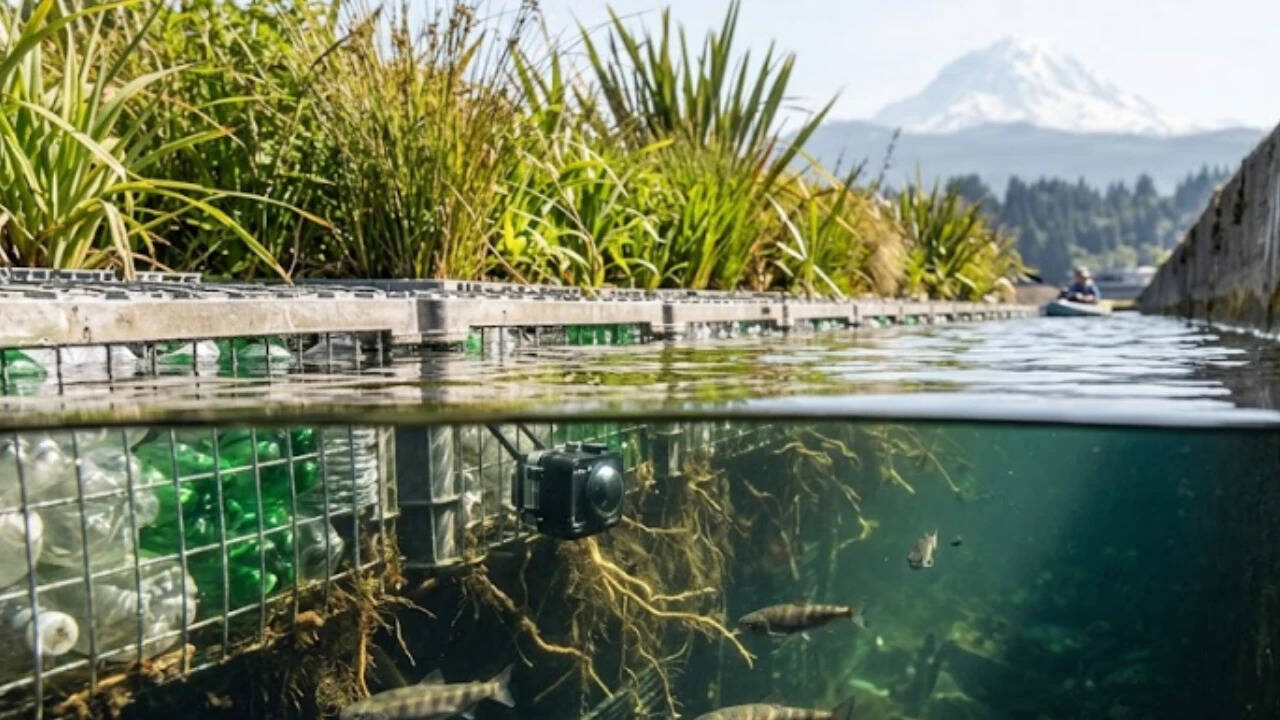
According to NOAA's Lower Duwamish River hazardous-waste site summary, the river once had extensive tidal marshes and mudflats along its banks before channelization and filling transformed much of the estuary into an industrial waterway. Dredging, channeling and a century of industrial activity have destroyed 97 percent of the tidal wetlands that once lined the riverbanks, according to a University of Washington-led study on the Duwamish Floating Wetlands Project. According to the project background for the Duwamish Floating Wetlands Project, along the first seven miles of the Duwamish River, 40 to 60 percent of the linear shoreline is bulkhead, and 50 to 80 percent is riprap. That hardened shoreline leaves young salmon migrating from fresh to salt water with little cover from predators or access to food.
Get breaking news anytime, anywhere. Download the TOI app now!