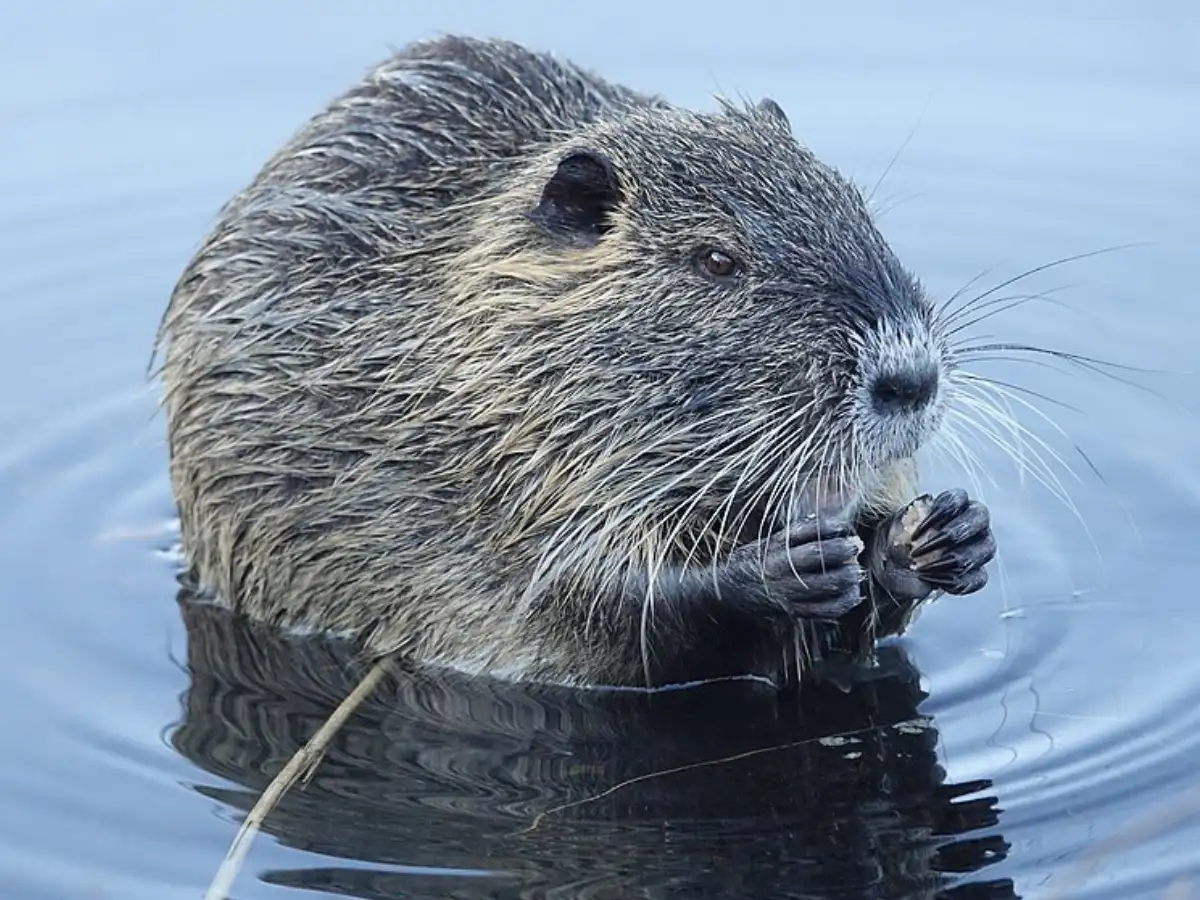
In 1939, as the world moved toward war, Japan was running a fur-farming operation that involved a large South American rodent with orange teeth. That rodent is the nutria, and its story is one of the more curious subplots of wartime history. According to Japan’s National Institute for Environmental Studies (NIES) invasive species database, 150 nutria were imported into the country that year and bred for military and consumer fur throughout the Kanto region and beyond. Now, more than 80 years later, their descendants are still digging in rice fields and reservoir banks.
A fur coat for the war effort

Nutria, or coypu, are semi-aquatic rodents native to South America. Imagine a cross between a beaver and a giant rat, with thick, waterproof fur that once was prized for coats and trim. In fact, Japan’s first nutria arrived much earlier, around the turn of the 20th century, but the real push came in 1939. Nutria are among the world's 100 worst invasive alien species, and NIES records show the animals were bred for military and consumer fur, with farms spreading westward from the Kanto district.
When the farms fell apart
Fur farms can continue operating only if there is a market for the fur. The Japanese nutria farms were not sustained during the war years. Mass escapes and deliberate releases are believed to have occurred just at the end of World War II and again in the 1950s when a brief nutria fur trend rose and fell, NIES data indicates. Once established in a river system, nutria do not need much help to spread. They swim well, breed fast, and eat just about any water plant they come across.