- Price: £409.99 / €429 / $592
- Weight as measured: 1776g/62.6oz claimed, measured 1810g/63.8oz (tape no valves)
- Depth: 30mm
- Width: 24.75mm external, 19.9mm internal
- Tubeless: Yes
- Hookless: No

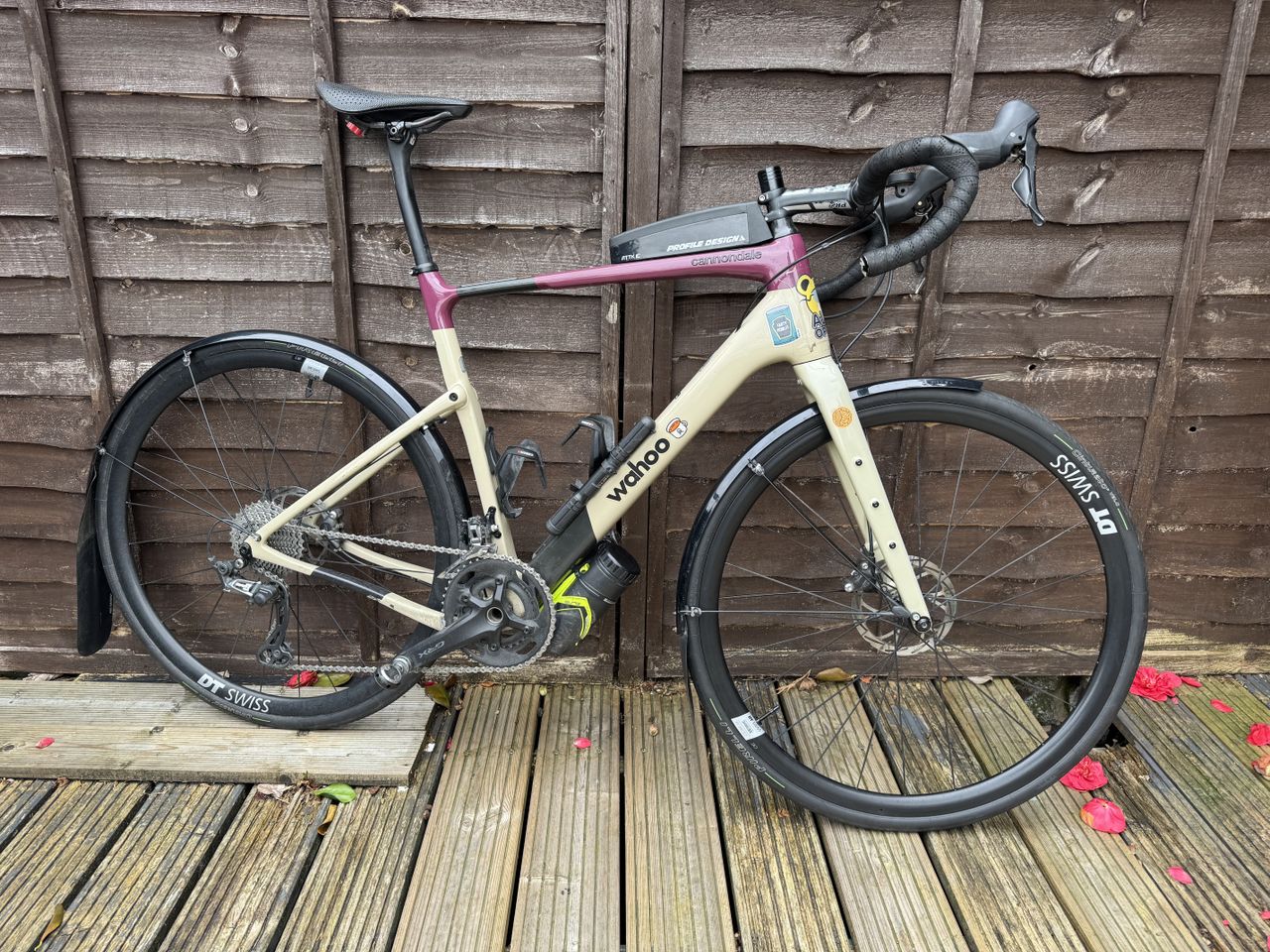
The DT Swiss A 1800 Wheelset may be the brand's most budget offering in the A for Aero line-up, but the performance is not exactly budget. The wheels still feature the superb and bombproof DT Swiss ratchet hub system, for example. However the engagement is limited to 20˚, so accelerating from coasting can feel minutely delayed.
Aero performance is the name of the game with these rims, as it is with all of the best road bike wheels on the market nowadays, and they are not bad. The widths are narrow by today’s standards, but they still roll well across flat and minimally rolling terrain.
The downside of these wheels is the weight. They are no featherweight, but in the rain they have a bad habit of holding water in the rim which makes them even more cumbersome. This can also result in some puddles when you get home.
However for the cost, the performance is not at all bad, and in some ways belies the low price making them an impressive value set of wheels.
Design and specifications
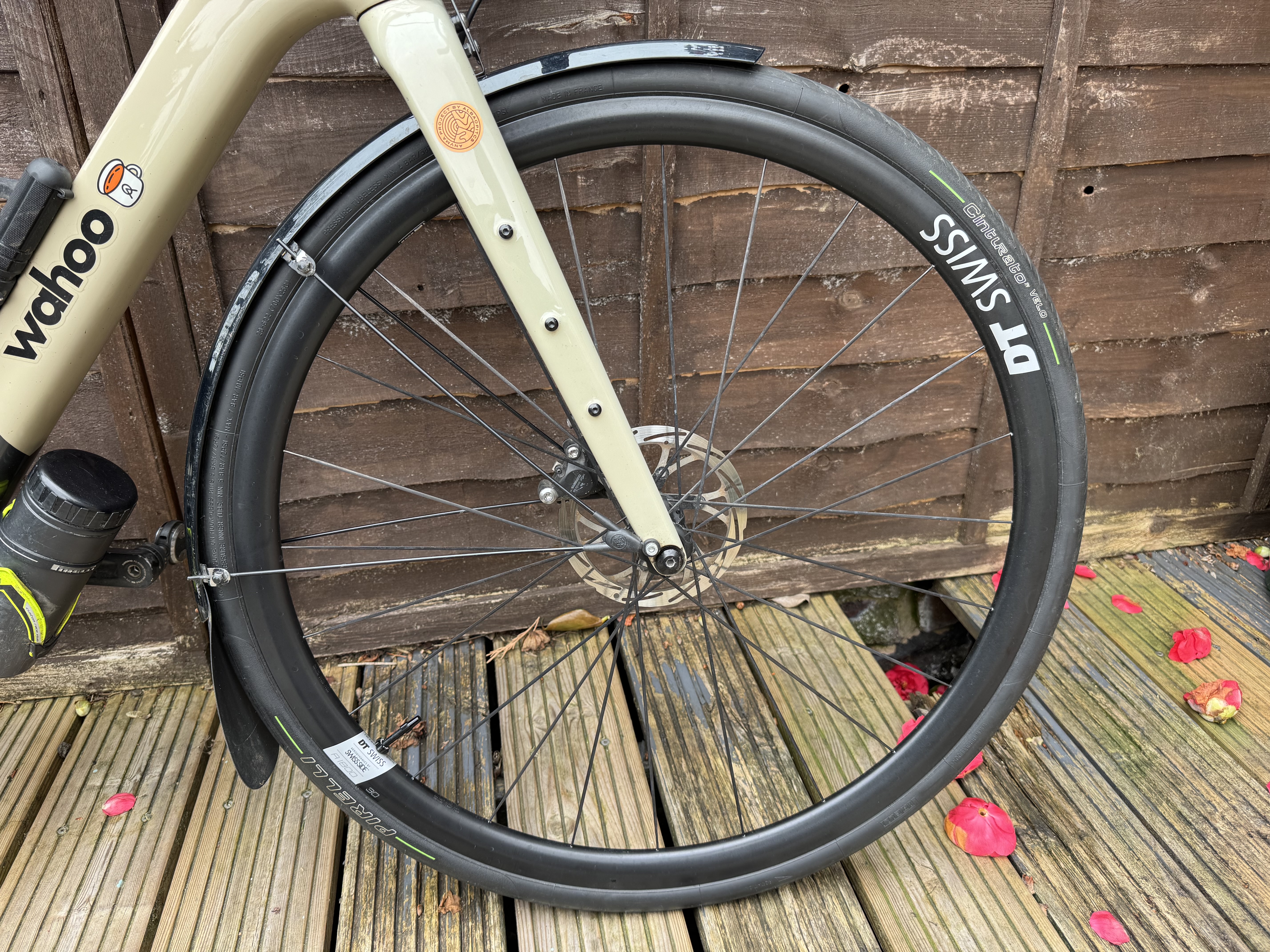
Being the budget offering in DT Swiss’ aero line-up, the A 1800 utilises an aluminium rim, rather than the carbon used in the high performing ARC Dicut 1400 models and up. It is still tubeless, but uses hooked rims, or ‘crotchet tubeless’ as this is called. The rim itself is only available in this 30mm depth, whereas higher end models in this range come with different depth offerings. The rim has a 19.9mm internal width, and 24.75mm external. DT Swiss states that it is designed to be used with the 26mm Continental Aero 111 front tyre and 28mm GP5000 S TR rear for the WTS (Wheel Tyre System) and maximum aero optimisation.
Moving down from the rim, the wheels use DT Aero comp wide straightpull spokes. These are arranged in a 2-cross pattern with 24 front and rear in a 1:1 ratio split. Essentially, 12 spokes either side.
The hub is the lowest spec offering DT Swiss offers of its Ratchet technology. Now the patent has expired, many other wheel brands have moved to this freehub design, due to the lower number of moving parts, enhanced serviceability, and reliability. Some brands have been a bit innovative with how they’ve made this design, but the DT Swiss version remains the standard bearer. This specific hub is the 370 with Ratchet LN 18. This is not as lightweight, features two springs and floating ratchets, and steel rather than ceramic bearings, compared to the DT Swiss 240 and 180 hubs which use the higher end and lighter EXP variation of the ratchet technology with a single spring and a fixed ratchet.
The 370 hubs here use the LN technology which is actually an aftermarket adjustment from standard pawls and bearings to the Ratchet tech, and the lowest tier offering from DT Swiss. The ratchet itself is 18 tooth, so 20 degrees of engagement rather than the standard 10 degrees on the 36 tooth option on the 350 hubs and above. However the Ratchet LN tech does not allow for switching out to a higher tooth system.
The wheels are supplied with tubeless valves, although I was only supplied with one for some reason, and pre-installed tubeless tape. A Shimano or SRAM XDR hub can be specified upon point of purchase.

Performance
As with all test tyres, the first job is setup, and just how easy or difficult that proves to be. With what is a rather conservative internal width of 20mm, it was very easy to fit the Pirelli Cinturato Velo 28mm tyres to the DT Swiss A 1800 rims. The wheels came pre-taped, and the valve was easy to fit and get secure. Strangely only one valve was supplied, plus no rotor lock rings, so I had to use some spares. Tyres were fitted without the need for grippy gloves or levers, and inflated well without too much sealant and just a track pump.
The tyres do certainly sit quite wide, but in line with the fact these tyres always come up significantly wider than advertised; 30.67mm to be exact.
Given that I’ve logged a lot of hours on these tires across different wheels, I have a fairly good idea about what performance differences a change in wheels results in. Over the winter I have used these Pirelli tyres across a range of wheels, from mid-range carbon wheels, to proper budget offerings that cost as much as some sets of tyres.
My initial impressions of the A 1800 were that of pretty reasonable acceleration on the flats. This is likely due to the spoke lacing pattern being one that gives a good level of stiffness and responsiveness when it comes to torsional forces when accelerating or braking. 24 spokes with a two-cross lacing is a solid combination and DT Swiss alloy spokes have always done well with balancing stiffness. The straight pull design also helps them feel very stable in the corners, with no discernible flex in the wheels.
The aero profiling of the wheels also likely helps with a fairly solid fast rolling sensation up to around 35kph. After this, the lack of depth does become noticeable compared to deeper section wheels. But the trade-off with deeper section alloy wheels is a significant increase in weight.

Weight, unfortunately, is an area where these wheels do struggle. Both for an obvious reason, and one less obvious one. Firstly, 1810g is not light for a wheelset, especially a performance one. These are more budget friendly offerings, but they are still heavy. This is most perceptible on inclines, anything beyond 3-4% gradient becomes a tangible slog to accelerate these wheels. Admittedly, they are not a wheelset that is necessarily aimed at racing, more a solid set to get you around. In that regard, they do very well, and I am judging them against more premium offerings.
However, there is a slight flaw that can make them even heavier than the cheapest wheels I use for winter training, the bog standard Shimano RS line. When riding in the rain, the DT Swiss A 1800 has a bad habit of getting water into the rim, which then is not that easily removed. I noticed this when getting back, hanging the bike up, and hearing water sloshing in the rim when spinning the wheel. I noticed it again when I realised there was a puddle under the bike when the hole that can let the water out found its way to the bottom of the wheel in the stand. It was a significant amount of water that has found its way into the rim, and this in turn adds a good amount of rotational weight. This is likely why, during wet rides, I found these wheels to be even more arduous to accelerate up inclines than the 2kg Shimano RS wheelset. You can drain the wheels, but you don’t want to have to do that while riding out in the rain ideally.
Another element that is noticeable is the reduced number of teeth in the ratchet hub leading to slightly delayed acceleration perceptions. A 20˚ engagement rate is not massive in the scheme of things, but it was noticeable all the same. When riding at a constant speed with pressure applied to the pedals it has no impact. The rest of the hub performs superbly, and after around 1500km of using these across a fairly bleak 2026 January and February, the hub is in great condition with the bearings front and rear running smoothly. I’m a big fan of the DT Swiss Ratchet hubs, as is every other wheel brand as they adopted the technology as soon as the patent ran out. It’s simple, easier to maintain, and easier to replace parts if needed. It really boosts these wheels’ performance as a solid wheel to get you through most rides.

Value
I have bemoaned these wheels for the overall weight and lack of higher speed aero performance, but that is compared to wheelsets that start at around £1000/$1200. For just £409.99/$592 the DT Swiss A 1800 are a wheelset that has enough performance to not detract from riding (the Shimano RS wheels are what I would call get-round wheels and are not fun), but also rugged enough to be a bit more use-and-forget than something more race focussed.
I’ve spent a lot of time riding the Shimano 105 wheelset, it’s lighter, more responsive, but more expensive. I’ve also had to replace the bearings more frequently as poor weather eats away at the internals. That is where the DT Swiss wheels perform very well, I never feel I have to worry about any components of them struggling after being used in heavy rain, through flooded roads, or through salt and grit laden snow slush.
There are cheaper wheels, but frankly they feel cheaper, and are either not as fun to ride or will need more maintenance in the foul weather they are likely to be used. I would like the DT Swiss A 1800 to not store water the way they do, and for faster paced rides the aero performance is limited, but for just riding, and not racing or doing rapid accelerations, they do a very good job. They are your classic bomb-proof training wheels that can cope with the winter without being expensive enough that you’ll be worried about them. Paired with the longevity that you won’t need to replace them after a foul winter.

Verdict
I like the DT Swiss A 1800 wheelset. It does a very good job and exceeds in the price bracket that it occupies. It is, of course, not as spritely as lighter sets of wheels, or as fast as deeper options, but it also costs significantly less and has impressive resilience against foul weather.
My only genuine gripe is the fact the rim holds water, adding to the weight and leaking at times around the house/shed. A 20mm internal width and slowish hub engagement don’t really make a big difference, and for riding at 20-35kph the wheels do well. At higher speeds or in competitive events I would want more from them, but that’s where I’d get a higher end set of race wheels. For training, riding worry-free, and not spending heaps on a do-it-all set of training wheels, these are exceptionally good.
Attributes |
Notes |
Score |
|---|---|---|
Design and aesthetics |
A matt aluminium rim isn’t the flashiest but it doesn’t need to be. Tyres are easy to fit, valves work well, spokes are easily replaceable, and the ratchet hub works smoothly and reliably. The hole in the rim does allow water to ingress though and they are on the narrow side. |
8/10 |
Tubeless coimpatibility |
Although not the widest, these work well with a range of wheels, come pre-taped, and result in no leakage, burping, requirement for a compressor, and just work how you want a set of tubeless wheels to work. |
10/10 |
Performance |
These are not as lively as a pair of race wheels, but these are not a pair of race wheels. For the price, the performance is good. Not exceptional, but good. If you aim to use these as an all-season set of wheels, they are great. |
8/10 |
Weight |
Weight is not a strong point for these wheels. They are on the heavier side, but not bad for this price. However, water getting into the rim on wet days does make them noticeably heavier and more cumbersome. Switching to slightly lighter wheels for hilly rides has a very tangible positive impact on the ride. |
6/10 |
Value |
Although the performance is fine, and the weight is at times hefty, the fact is at this price they do a damn good job. Being fairly bombproof takes any worries about bearings, longevity, or any other hassles out of your mind. Ideal for just getting the job done. |
9/10 |
Overall |
82% |