
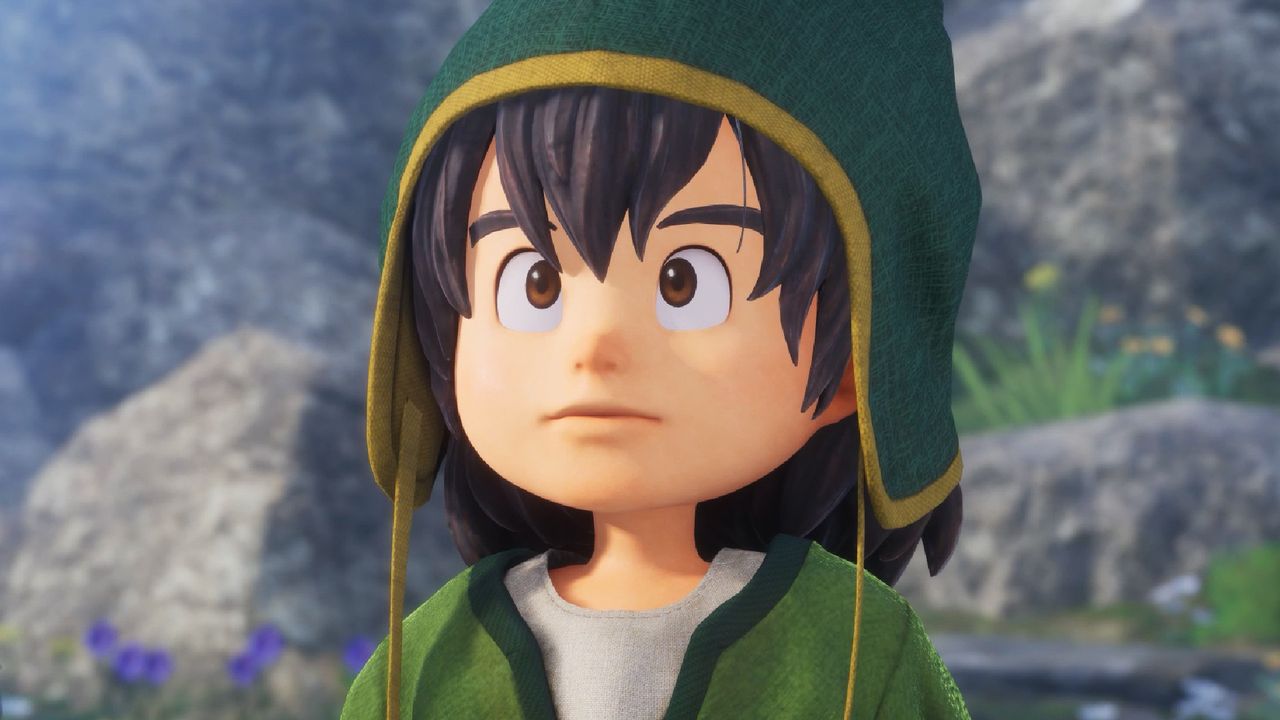
Dragon Quest 7 Reimagined is, as the name implies, a reimagining of the PS1 original, and one that takes some big liberties with the source material. It seems Square Enix doesn't view the remake as a replacement for its aged predecessor, but rather more of a companion piece aimed at a new generation of players.
"Past iterations of DQVII represent the DQVII of that time," Dragon Quest 7 Reimagined producer Takeshi Ichikawa tells me in an email interview. "This new installment isn't meant to supplement or improve upon them, but simply to represent DQVII for today. I'd be happy if those who can compare this experience with past ones enjoy doing so, and for newcomers, I believe this game will define what becomes their very own DQVII experience."

Honestly, I'm a bit relieved that this is the developer's stance. We've heard stories of some developers looking at remakes as total replacements for older games – hello, Capcom and Resident Evil – and I feel like that's a fundamental misunderstanding of the value of a remake. You shouldn't be trying to render the old game obsolete, but rather complement it with a new interpretation.
The new interpretation provided by Dragon Quest 7 Reimagined didn't entirely work for me, as I think its overly friendly guideposts and generous healing options offer a lesser experience than the rough-hewn charm of the original PS1 game. But equally, I've found it fun playing the two games side-by-side and seeing how each version interprets the same events and locations.
In Ichikawa's view, each installment in Dragon Quest's 40-year history, "possesses its own timeless charm that’s independent of the era." As we continue to see more and more remakes of classic entries in the venerable JRPG franchise, Ichikawa says "I consider those compelling elements from the original games to be especially crucial in remake projects."
Without Dragon Quest itself or its influence, we'd never have the best JRPGs of all time.