
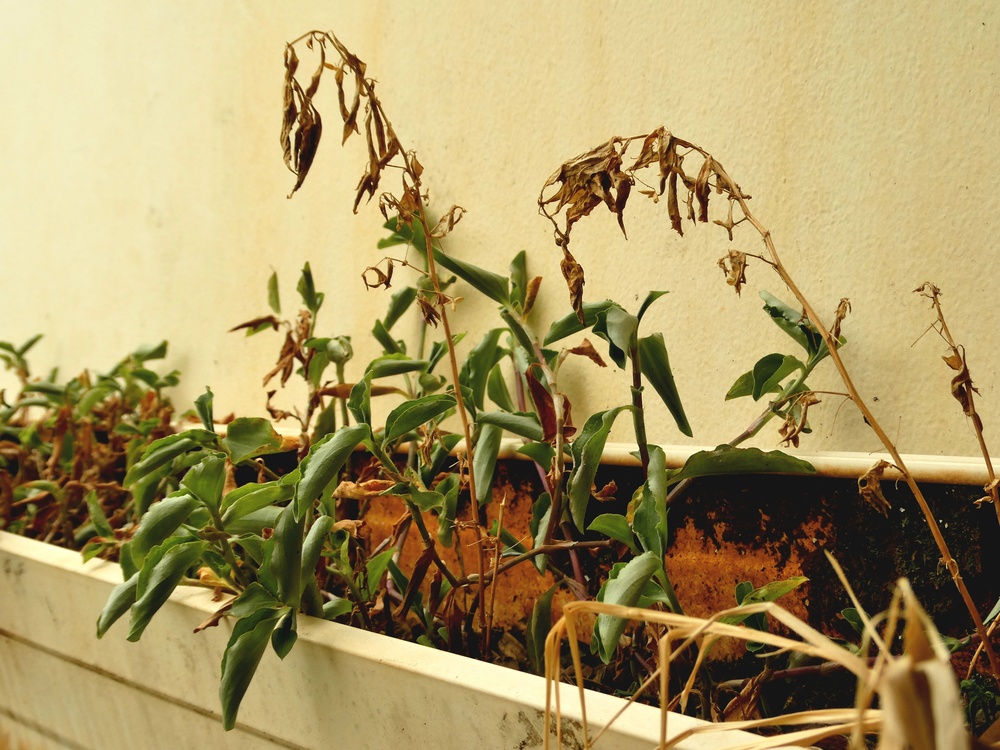
By September, plenty of gardens look like they’re ready for the trash pile: brown bean vines, crispy flower stalks, exhausted tomato plants, and annuals that have clearly seen better days. Before you yank everything out and fill the yard-waste bin, however, take a closer look because some of those dead garden plants could reduce what you spend next spring. Seeds can become next year’s vegetables and flowers, healthy plant debris can become compost, and some plants we casually call “annuals” can actually survive indoors until warm weather returns. University Extension experts routinely recommend several of these techniques, and none requires an expensive greenhouse or professional propagation setup. The trick is knowing which supposedly finished plants are assets—and which ones really do belong in the trash.