Get all your news in one place.
100’s of premium titles.
One app.
Start reading
International Business Times UK
Francis Louie C. Añiga

Donald Trump's 'Red Scabs' Spark Health Debate As White House Physician Issues Update

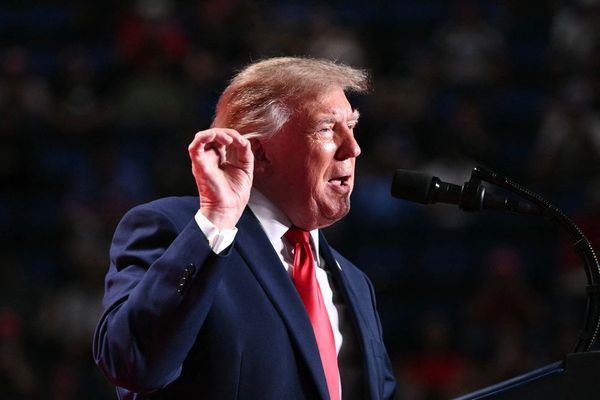
Donald Trump's 'red scabs' ignited a fresh political and medical debate this week after photographs captured onlookers' attention during a public appearance in Washington, showing the 79‑year‑old president with visible redness and scabbing on the right side and back of his neck. The White House moved quickly to explain the marks, with the president's physician attributing them to a prescribed preventative skin treatment rather than an undisclosed illness.

For context, the images spread across social platforms within hours of appearing, prompting the kind of micro‑scrutiny American presidents have become accustomed to. The Biden stumble, the Obama cough, the Reagan gait — every physical detail becomes its own referendum. This time, the conversation was led by the patches on Trump's neck, magnified by zoomed‑in screenshots and circulating faster than the official explanation could catch up.
White House Offers Controlled Clarification

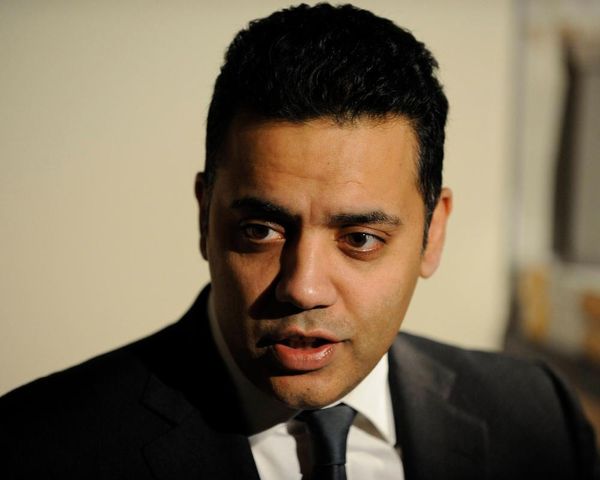
The White House released a statement identifying Dr Sean Barbabella as the physician overseeing the president's care. According to Barbabella, Trump is using 'a very common cream' on the affected area, describing it as 'a preventative skin treatment' prescribed by the medical team. He said the treatment would last one week and that the redness could persist for several weeks afterwards.

Barbabella did not identify the specific condition the cream is intended to prevent, nor did he clarify whether Trump is treating a diagnosed issue or addressing a known risk. Reporters noted that follow‑up questions to the White House requesting clarification went unanswered. The omission is not itself evidence of something larger, but it leaves ample room for speculation — a space Washington fills with remarkable speed.

Dr Jonathan Reiner, a cardiologist and CNN medical analyst, offered context that did not directly comment on Trump's case. He explained that such topical creams are often prescribed to prevent 'overt skin cancer in people with precancerous skin lesions'. His remarks were framed strictly as general medical background, not as a diagnosis, though many taking part in the online discussion blurred that distinction almost immediately.

Red Scabs Spotlight The Uncertainty Around Skin Irritation

Even with an official statement in hand, the discussion persisted because skin irritation is notoriously vague. Cleveland Clinic guidance, widely referenced in medical explainers, underscores how varied the causes can be.

Short‑term irritations often stem from heat rash, dry skin or contact dermatitis — the latter triggered when the skin touches an irritant or allergen. Heat rash, in particular, commonly appears on the neck when sweat is trapped in pores, and may cause redness and small bumps. These types of rashes can take days or weeks to settle, even with treatment.

Cleveland Clinic also lists shingles as another possibility in general rash assessments. The virus‑driven condition often produces blistering patches and scabs on one side of the body. Identifying shingles from a photograph is nearly impossible without additional clinical evidence.

Longer‑term conditions complicate the picture further. Variants of eczema can strike the head and neck, producing dry patches and discolouration. Psoriasis, another chronic inflammatory condition, is frequently mentioned in general medical literature for its scaly, red plaques. Yet none of these possibilities should be attached to a specific person without medical confirmation, something the president's team has not provided beyond the reference to a preventative cream.

Red Scabs And The Limits Of What We Know

Only a small number of details are confirmed. Trump was photographed with redness and scabbing on his neck. His physician said the marks stem from a 'very common' cream prescribed as a preventative measure. The White House has not explained what the treatment is intended to prevent.

Everything beyond that remains speculative: claims that the irritation is harmless, claims that it signals something serious, theories about stress or age or stamina. None of those interpretations rest on verified information. What they do highlight is the speed with which the public now evaluates a president's health from afar, often with more confidence than evidence.

For now, the official record stands unchanged: a skin treatment, a temporary reaction and a shortage of detail. In the gap between what the camera captured and what the White House confirmed, Trump's 'red scabs' have simply become the latest flashpoint in a political culture where images rarely travel alone.

Sign up to read this article
Read news from 100’s of titles, curated specifically for you.
Already a member? Sign in here
Related Stories
Top stories on inkl right now
One subscription that gives you access to news from hundreds of sites
Already a member? Sign in here
Our Picks
Fourteen days free
Download the app
One app. One membership.
100+ trusted global sources.