Australia on Tuesday confirmed its first diphtheria death as the country raced to contain the worst outbreak of the bacterial infection in decades.
Northern Territory chief health officer Dr Paul Burgess said a man who died in Darwin last month was now confirmed as a diphtheria fatality.
Diphtheria can cause swollen glands, breathing problems, and fever, and mostly affects children.
It was considered almost eradicated following a vaccination rollout that began in the 1930s. The current outbreak is being blamed on a dip in vaccination rates.
Officials said diphtheria cases began rising in late 2025, prompting the Northern Territory Centre for Disease Control to declare an outbreak in March this year.
Cases were later reported in Queensland and South Australia as well.
However, officials said new cases had started to fall, with only nine reported in the last seven days as compared to 22 a week at the peak of the outbreak.
Health minister Steve Edgington said on Tuesday that the Northern Territory had reported 163 diphtheria cases, with 115 involving skin infection and 48 the more dangerous respiratory kind.
He said that the autopsy report for the man who died at the Royal Darwin Hospital in April had arrived from an overseas lab, confirming the first diphtheria death in the country since 2018.
"Our government has taken this situation very seriously and we are working hard to understand the causes and working to contain the situation," Mr Edgington was quoted as saying by ABC News. "The final toxicology tests have come back demonstrating that diphtheria bug is producing a toxin that can cause these health effects. We now say that is probable as the cause of death for that individual.”
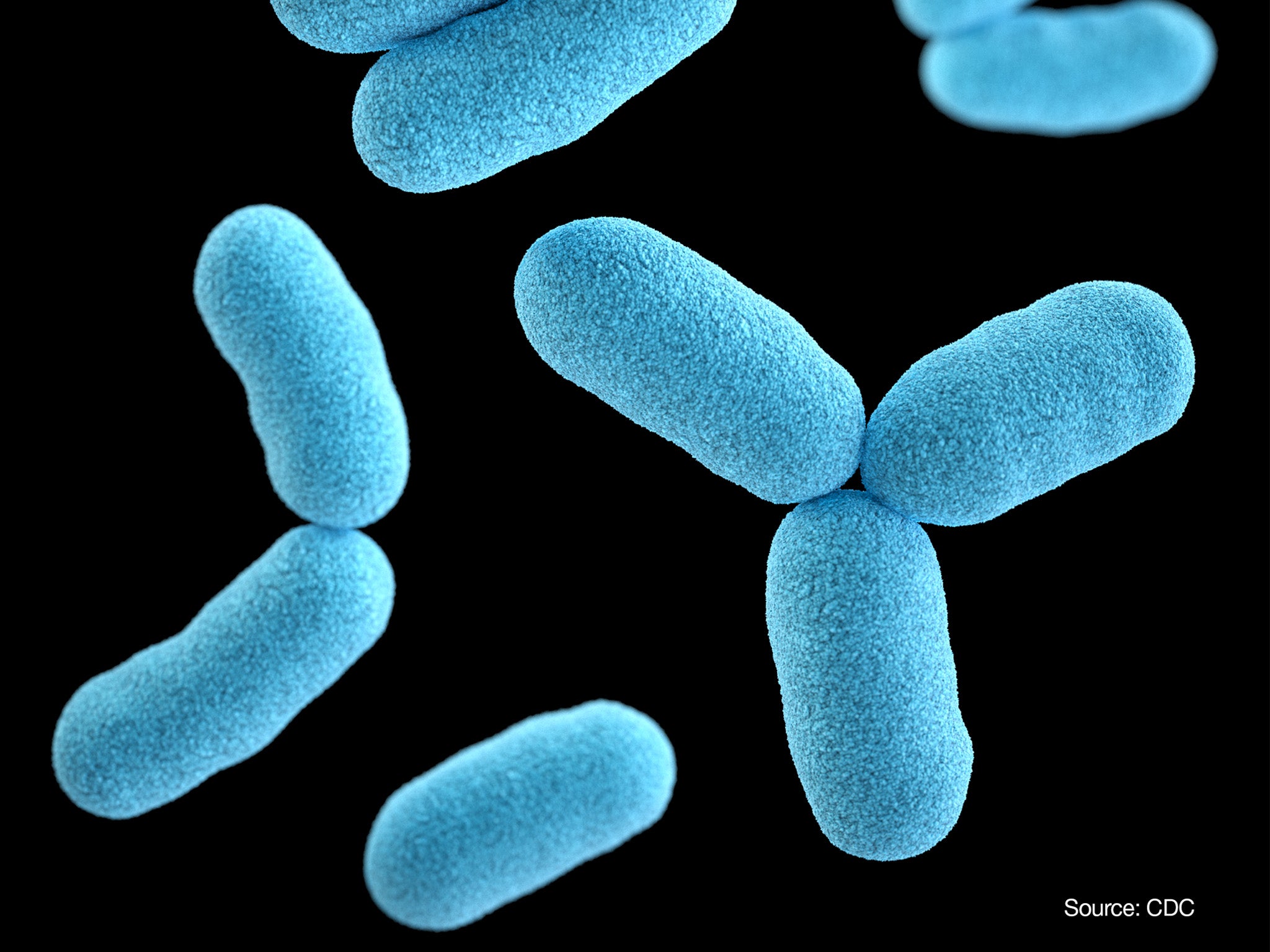
Dr Burgess said a second suspected diphtheria death had been ruled out. “I would like to be very clear that the sad death that happened in Alice Springs Hospital was not associated with diphtheria,” he said.
He also said the Northern Territory had improved its vaccination rate, lauding a “mountain of work”.
“I can tell you today that in the last seven weeks alone, more than 10,000 vaccines are in arms protecting Territorians against diphtheria," he said, according to ABC News.
Almost all confirmed diphtheria cases so far have involved Indigenous Australians, prompting health authorities to work with Aboriginal agencies to improve immunisation.
The chief health officer said that the disease was “largely eradicated” in Australia in the 1940s with a successful immunisation campaign and that the current outbreak was “unusual”, and the worst since records began.
While public health experts didn’t “fully understand yet the characteristics of this bug", Dr Burgess said, it was most likely the bacterial strain had been "imported into northern Queensland in about 2022".
Diphtheria typically spreads through contact with coughs and sneezes of the infected or their cups, cutlery, clothing or bedding.
The UK health service states that the symptoms usually begin to manifest between two to five days after infection and may include a thick grey-white coating covering the back of the throat, nose and tongue, along with fever, sore throat, swollen neck glands, and difficulty swallowing or breathing.
If cutaneous diphtheria is contracted, infecting the skin, a patient may get pus-filled blisters on their legs, feet or hands, along with large ulcers surrounded by red, sore-looking skin.