
That’s why school principal and founder of Educational Impact Academy, Karin Jakubowski, EdD, has been making it easier for parents to better understand their children through sharing bite-sized videos online. Below, you’ll find some of the best tips Dr. Jakubowski has posted on TikTok, as well as a conversation between her and Bored Panda!
More info: Momnificent Podcast | Instagram | YouTube | Facebook
Dr. Karin Jakubowski has been sharing all of her best parenting tips online to help moms and dads better understand their little ones
@karinjakubowski Top 5 Skills Your Kid Needs Before Kindergarten! #kindergartenready #parenting #momnificent #tipsforparents #momsoftik #parentingtips101 #learnontiktok #preschool #preschooler #kindergarten ♬ original sound - Momnificent ✨ Parent Tips
#1

Image credits: karinjakubowski
We reached out to Dr. Karin Jakubowski via email, who was kind enough to have a chat with Bored Panda. She shared that the inspiration behind her journey into posting parenting and teaching advice online stems from her experience as a teacher.
"Throughout my career, I encountered moments of frustration when traditional approaches failed to address the root causes of students' behavioral challenges. It was a pivotal moment when I discovered the collaborative problem-solving approach advocated by Dr. Stuart Ablon," Dr. Jakubowski explained. "Implementing this method transformed my interactions with students, enabling me to delve deeper into the underlying reasons for their behavior and empower them with essential problem-solving skills."
"Driven by a passion to share this transformative approach, I embarked on a mission to reach out to as many parents and educators as possible," the expert continued. "Thus, 'Momnificent,' my podcast, was born. Interestingly, while the podcast serves as a platform for discussing various parenting and teaching strategies, I've found myself guesting on other podcasts more frequently, spreading the word about collaborative problem-solving."
#2
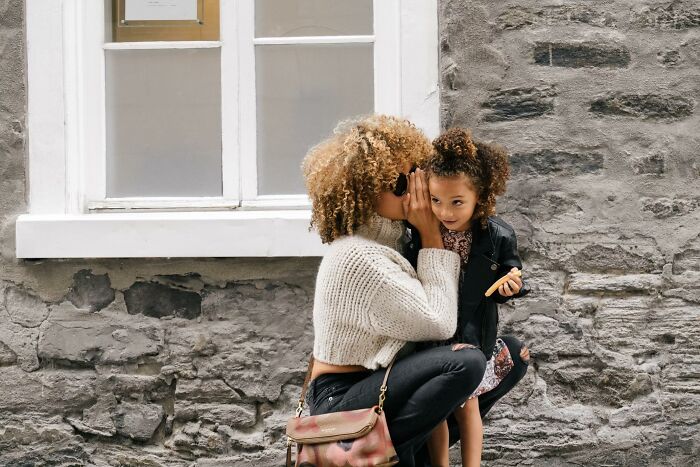
Image credits: karinjakubowski
#3

Image credits: karinjakubowski
Dr. Jakubowski also decided to start posting on YouTube and TikTok after recognizing the vast reach and influence visual media has online. "The motivation behind this expansion is rooted in a fundamental belief that every parent deserves access to effective tools and strategies for nurturing their children's growth and development," she explained.
"Reflecting on the disparity between the extensive training we undergo for our professional careers and the lack of formal education in parenting, I felt compelled to bridge this gap," the expert says. "The paradox of investing years in preparing for a career while navigating parenthood without a comprehensive guidebook struck me profoundly. Thus, my TikTok videos serve as a resource hub for busy moms striving to provide the best possible upbringing for their children amidst the demands of everyday life."
Dr. Jakubowski says that, ultimately, her mission is to equip parents with the knowledge and skills necessary to raise happy, healthy children. "By leveraging the power of online platforms, I aspire to democratize access to invaluable parenting insights and foster a community dedicated to nurturing the next generation."
#4
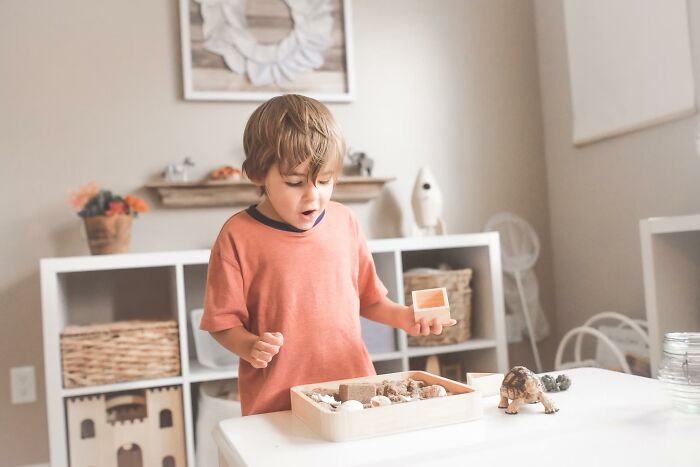
Image credits: karinjakubowski
#5
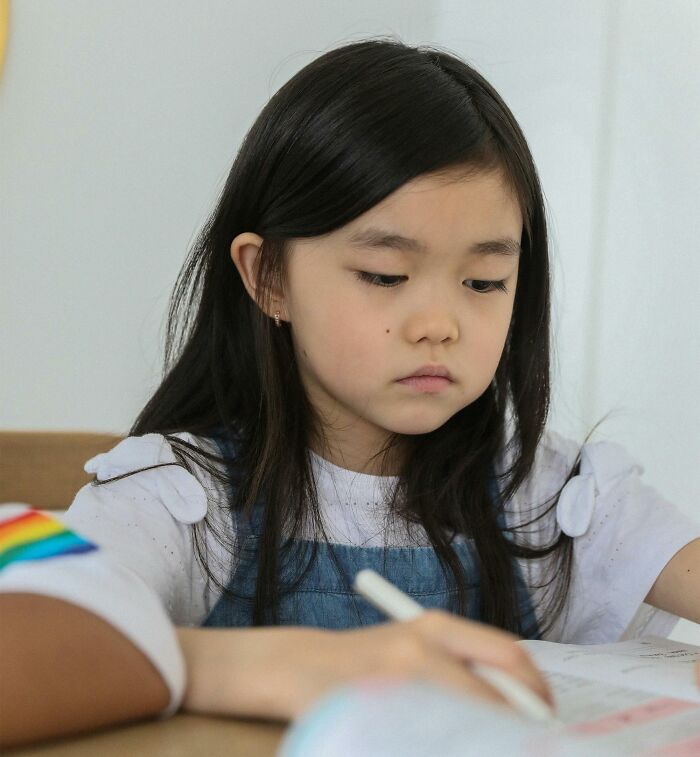
Image credits: karinjakubowski
#6

Image credits: karinjakubowski
We also asked the expert why she believes it's so common for parents and educators to misunderstand children. "Firstly, there's a fundamental communication barrier stemming from differences in perspective and experience," she noted. "Parents and teachers often view situations through their own lenses, which may not fully align with the child's reality."
"Secondly, societal expectations and norms can lead to misconceptions about children's behavior," Dr. Jakubowski continued. "There's a tendency to attribute certain actions to disobedience or laziness without considering underlying factors such as developmental stages, emotional struggles, or learning differences."
"Moreover, limited time and resources can hinder the ability to delve deeper into understanding a child's needs," the expert says. "Both parents and teachers juggle multiple responsibilities, leaving little room for in-depth observation and communication."
#7
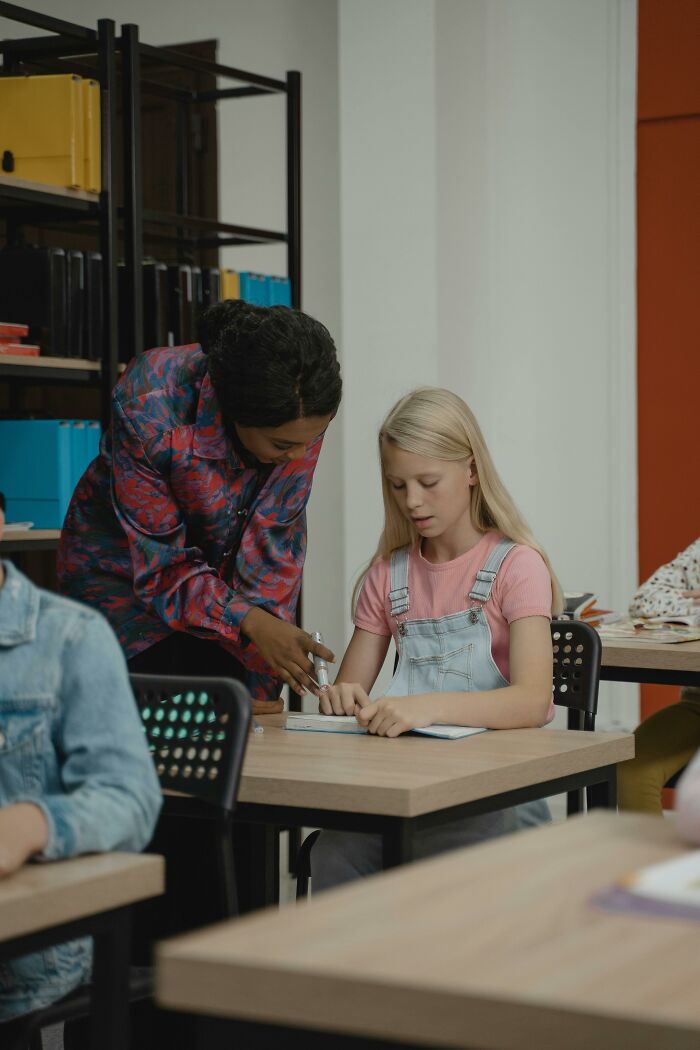
Image credits: karinjakubowski
#8
Image credits: karinjakubowski
#9

Image credits: karinjakubowski
Dr. Jakubowski also noted that the stigma surrounding mental health and behavioral challenges may impede open dialogue and proactive intervention. "Fear of judgment or labeling can prevent parents and teachers from seeking support or acknowledging potential issues early on," she explained.
"Lastly, the dynamic nature of childhood and adolescence means that children's behaviors and needs evolve rapidly. Keeping pace with these changes requires ongoing communication, flexibility, and a willingness to adapt strategies accordingly, which may not always be feasible in busy households or classrooms," the expert says.
"Addressing these common misunderstandings requires a collaborative approach that emphasizes empathy, active listening, and a commitment to understanding the unique perspectives of children," Dr. Jakubowski continued. "By fostering open communication and mutual respect between parents, teachers, and children, we can cultivate environments where misunderstandings are minimized, and meaningful connections flourish."
#10
Image credits: karinjakubowski
#11
Image credits: karinjakubowski
#12
Image credits: karinjakubowski
While there's no doubt that Dr. Jakubowski has shared many helpful tips online, we wanted to know which ones she considers to be most important. "As a school principal and TikTok enthusiast, I've had the privilege of sharing numerous tips and advice for parents through my videos. Among the plethora of insights, if I were to highlight the most crucial piece of advice, it would undoubtedly be the collaborative problem-solving process," she told Bored Panda.
"The collaborative problem-solving approach isn't just a technique; it's a mindset and a skill set that I've learned, utilized, and passionately shared with parents and educators alike," the expert explained. "This process encourages open communication, empathy, and teamwork between parents, educators, and students."
#13
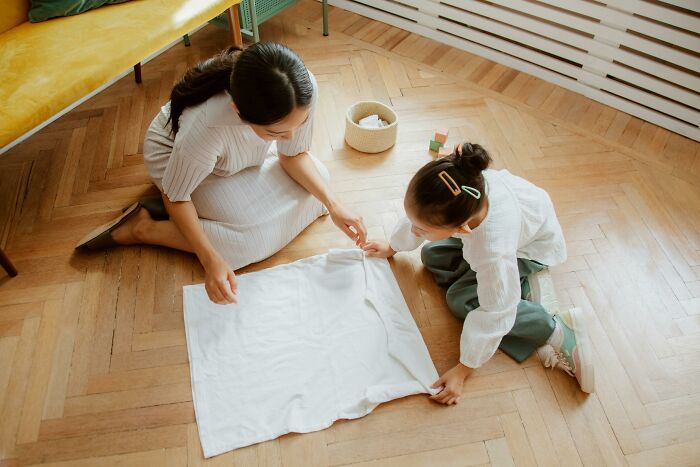
Image credits: karinjakubowski
#14

Image credits: karinjakubowski
#15
Image credits: karinjakubowski
"By emphasizing collaborative problem-solving, I encourage parents to view challenges as opportunities for growth and development rather than obstacles," Dr. Jakubowski continued. "It fosters a supportive environment where everyone's input is valued, and solutions are crafted together, ensuring that the needs and perspectives of all involved parties are taken into account."
"Through my TikTok videos and interactions with parents, I continuously advocate for the collaborative problem-solving process because I've witnessed its transformative power in building stronger relationships and fostering positive outcomes for children's education and well-being," the expert noted. "So, if there's one piece of advice I can offer parents, it's to embrace the collaborative problem-solving approach wholeheartedly—it's a game-changer!"
#16
Image credits: karinjakubowski
#17
Image credits: karinjakubowski
#18

Image credits: karinjakubowski
When it comes to why it's so important for parents to prioritize understanding their little ones, Dr. Jakubowski says it lays the foundation for effective communication, trust, and support within the family dynamic. "When parents take the time to truly comprehend their children, they can better meet their emotional, social, and developmental needs," she noted.
This is essential for building trust. "When children feel understood by their parents, they are more likely to trust them. This trust forms the basis of a strong parent-child relationship, allowing for open communication and a sense of security," the expert says.
It's also key for creating effective communication. "Understanding a child's unique personality, preferences, and communication style enables parents to tailor their interactions accordingly. This fosters clearer communication and minimizes misunderstandings or conflicts," Dr. Jakubowski shared.
#19

Image credits: karinjakubowski
#20

Image credits: karinjakubowski
#21

Image credits: karinjakubowski
Dr. Jakubowski also says that better understanding our children supports their development. "Each child is different, with their own strengths, weaknesses, and interests. By understanding their children, parents can provide appropriate guidance and support to help them thrive academically, socially, and emotionally," she explained.
It also allows parents to recognize their children's needs, which can be especially helpful for kids who struggle with expressing their feelings or articulating what they need.
Understanding your kiddos helps promote self-esteem as well. "When parents show understanding and acceptance towards their children, it boosts their self-esteem and confidence," the expert explained. "Feeling understood validates their feelings and experiences, helping them develop a positive sense of self."
#22
Image credits: karinjakubowski
#23
Image credits: karinjakubowski
Finally, understanding your kids will help them navigate challenges. "Parenting comes with its challenges, and understanding children helps parents navigate these hurdles more effectively. Whether it's dealing with tantrums, academic struggles, or peer pressure, a deep understanding of their children allows parents to approach these challenges with empathy and patience," Dr. Jakubowski says.
"In essence, when parents work to understand their children, they create a nurturing environment where their children feel seen, heard, and supported," she added. "This understanding forms the bedrock of a strong parent-child relationship, laying the groundwork for their children's emotional well-being and overall development."
#24

Image credits: karinjakubowski
Whether you have kids or not, we hope you’re enjoying this list of tips, pandas! We should all be looking out for the younger generations, including our friends’ children and our nieces and nephews, so it’s always great to learn how to better understand them. Keep upvoting the advice you agree with, and if you’re interested in reading another Bored Panda article featuring parenting hacks, look no further than right here!