Get all your news in one place.
100’s of premium titles.
One app.
Start reading
Livingetc
Livingetc
Pip Rich

Don't Ask AI, Ask an Interior Designer — Color Drenching, Limewash Paint, and How to Decorate With Black

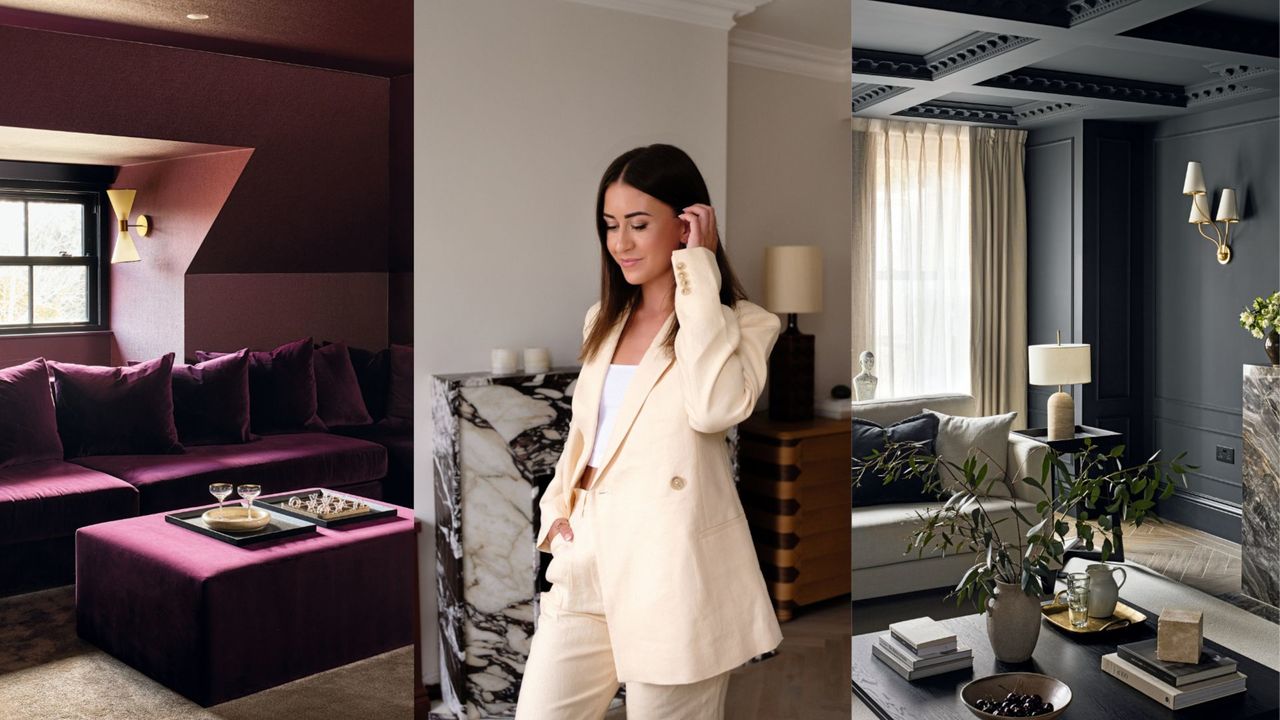
Compilation of images of Amy Stoddart and her projects.

Q: Color Drenching — When Should I do It and When Shouldn’t I? Plus, What Do I Need to Know if I Decide to Go for It?

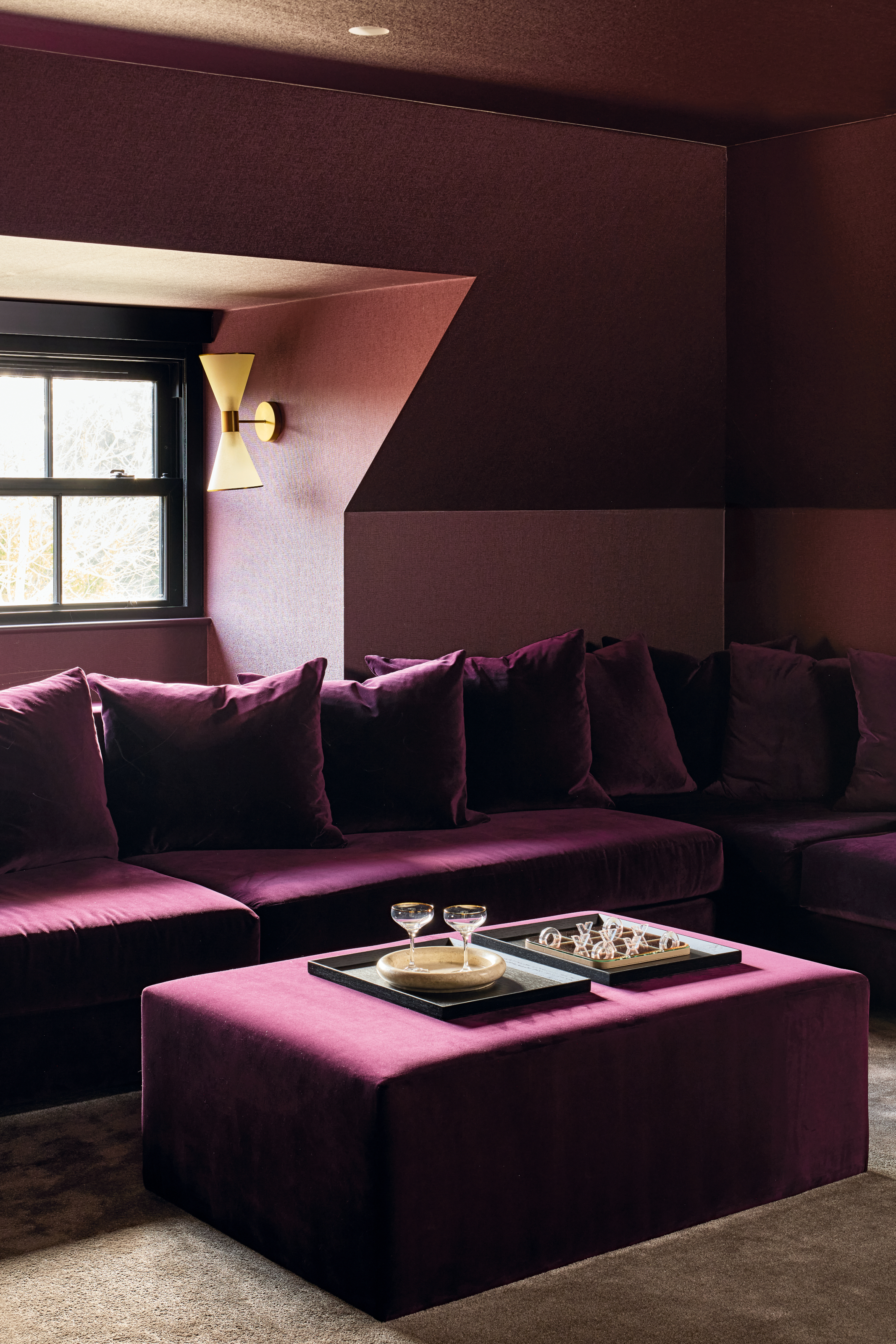
Amy used Tektura Bead to drench this space. (Image credit: Amy Stoddart Studio)

Color-drenching generally makes a space feel cocooning and cozy. In a cinema room we designed, we wanted exactly that feeling; it’s predominantly an evening space, so leaning into depth and drama made sense. But that’s the key consideration: is it a room you use mainly in the day or at night? My general rule is that daytime areas need to feel lighter and brighter.

If you’re color-drenching, then picking the color needs to come first, with everything else inside the space flowing from that main choice. The cinema room features a wall covering rather than paint — we used Tektura Bead in a rich, plum tone; it’s a textured design with a subtle metallic thread that lifts the scheme, and we paired it with cream lighting and a neutral rug for contrast. Too many dark pieces would have sucked out all the natural light.

It was also important to link the space to the main hallway, which we’d painted in a creamy tone, so it felt connected rather than jarring. Because that’s the thing with color drenching: it shouldn’t be a jolt, but an inviting effect that feels like it belongs in the rest of the home.

Q: I’m Considering Limewash (or Limewash-Effect Paint). Which Brands Are Good and What Should I Know?

True limewash is a lovely wall finish, but it’s tricky to apply – and often hard to find tradespeople who can do it. We’ve worked with a specialist decorator who treated it like art, creating samples until we found the right finish. But when I tried it in my own loft, it was a disaster.

If you want the effect with more reliability, Bauwerk Colour offers limewash paints in beautiful hues, though they can still be quite fiddly to apply. Alternatively, microcement can create a similar look with more resilience, even in wet areas.

Q: Is Black Ever a Good Choice for a Room? I’m Beginning to See It More and More… and Starting to Find Myself Liking It.

Amy used used Farrow & Ball’s Railings on the walls in this living space. (Image credit: Amy Stoddart Studio)

Yes, me too! But, as with color drenching, it depends on how the space is going to be used. For a formal living room that’s for pre-dinner drinks and evening conversation, moody, atmospheric colors — and yes, that includes black — can be wonderful. However, if you’re mostly using the space during daylight hours, it’s likely to absorb the light and feel too harsh.

In one project we undertook, the living room had 2.6m-high ceilings, and we used Farrow & Ball’s Railings on the walls to create a grown-up space where you might gather with friends in the evening. As far as black goes, Railings is a smart choice — it has a touch of blue in it, so while it’s dark, it doesn’t drain the light. We contrasted it with cream linen upholstery, a bespoke rug, and charcoal-blue cushions, so the scheme feels sophisticated and bright. Natural, warm wood flooring in a herringbone design helps to lighten the look, too.

This balance of colors and textures means the front living room, often overlooked in Victorian houses, has become a favourite spot for unwinding and entertaining. One thing to note, though: if your ceilings are low, then go lighter. Blacks can feel oppressive without sufficient height.

Sign up to read this article
Read news from 100’s of titles, curated specifically for you.
Already a member? Sign in here
Related Stories
Top stories on inkl right now
Our Picks
Fourteen days free
Download the app
One app. One membership.
100+ trusted global sources.