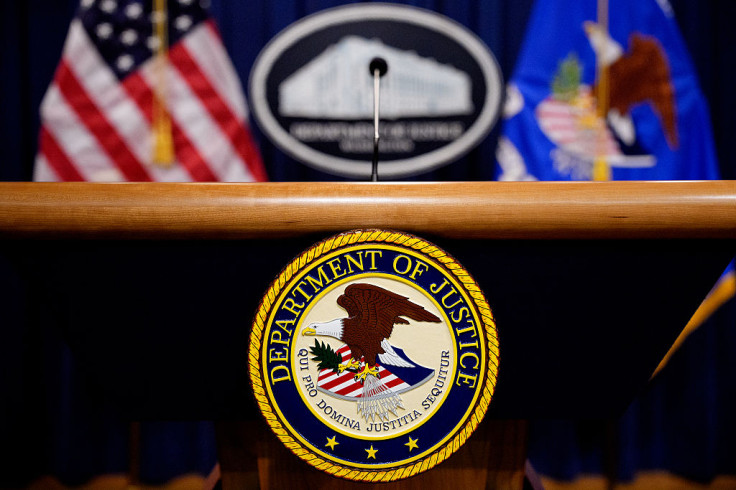
The Justice Department failed to secure a felony conviction in any of the 12 trials stemming from its crackdown on protesters accused of assaulting federal authorities in Los Angeles, Chicago, Portland, Oregon, and Washington, D.C.
The Associated Press tracked 167 arrests during protests last summer and fall in Los Angeles, Chicago, Portland and Washington, D.C., where President Donald Trump sought to or succeeded in deploying the National Guard.
Of 102 people arrested for felony assault on a federal officer, 41% had their cases dismissed and 34% pleaded down to misdemeanors, while ten pleaded guilty to felony assault and received prison sentences.
But every felony assault case that reached trial ended in an acquittal, mistrial or dismissal, the AP points out. Three additional cases are scheduled for trial this fall.
In 2024, 82% of defendants charged with felony or misdemeanor assault were convicted at trial or through plea agreements, according to federal court data. Less than half of the protesters charged with either offense in the AP analysis were convicted.
"The fact that the government failed to win any felony assault convictions at trial" raises questions about "whether or not these charges should have ever been brought in the first place," Mary Fan, a former federal prosecutor and University of Washington law professor, told the news site.
The findings extend a pattern identified by the AP back in December, when its review found that more than half of 100 initial felony assault cases had already been reduced to misdemeanors or dismissed and all five defendants who had gone to trial had been acquitted.
Among the later cases was California State University lecturer Jonathan Caravello, who was acquitted after being accused of throwing a tear-gas canister at immigration agents. Video showed the canister passing high over officers and landing behind them. "They're trying to get a chilling effect out of these charges," Caravello said.
In Chicago, all but one of 19 felony assault cases were dismissed.
The Justice Department defended its approach, saying prosecutors were right to prioritize alleged assaults on federal officers but must respond when further investigation uncovers mitigating circumstances.
"Each case is based on the facts," the department said, adding that prosecutors may appropriately downgrade or drop charges when warranted.