
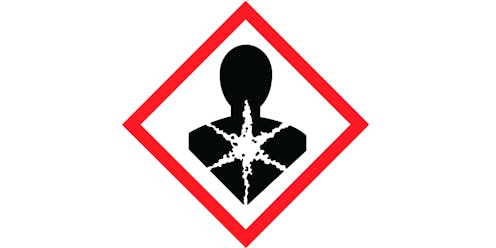
People are exposed to numerous chemicals throughout their lifetimes. These chemicals can be from the air, foods, personal care items, household products and medications. Unfortunately, exposure to certain chemicals can cause harmful health effects, including cancer. Substances that cause cancer are called carcinogens. Familiar examples include tobacco smoke, radon, asbestos and diesel engine exhaust.
To protect the health of the public, national and international health agencies evaluate many new and existing chemicals to determine if they are likely to be carcinogens in a process called cancer hazard identification. If agencies judge the chemicals to be carcinogenic, they conduct further assessments to determine the level of risk, and legislators may put regulations in place to limit, or completely halt, the production and use of these chemicals.




