The concept of an "associate member" is a new political framework that does not currently exist in EU treaties, which mandate that only geographically European states can apply for full membership.
But the EU wants Canada to join forces in an "Alliance for the Future" that expands cooperation well beyond standard trade agreements. This includes integrating defence industrial bases, securing critical raw materials and energy supplies, aligning on advanced technology (like artificial intelligence and quantum computing), and introducing shared mobility programs for young citizens to live and study across the Atlantic.

Following the breakdown in bilateral negotiations, U.S. President Donald Trump imposed 50% tariffs on approximately $20 billions of Canadian goods, triggering an economic dispute and matching dollar-for-dollar retaliatory tariffs from Ottawa.
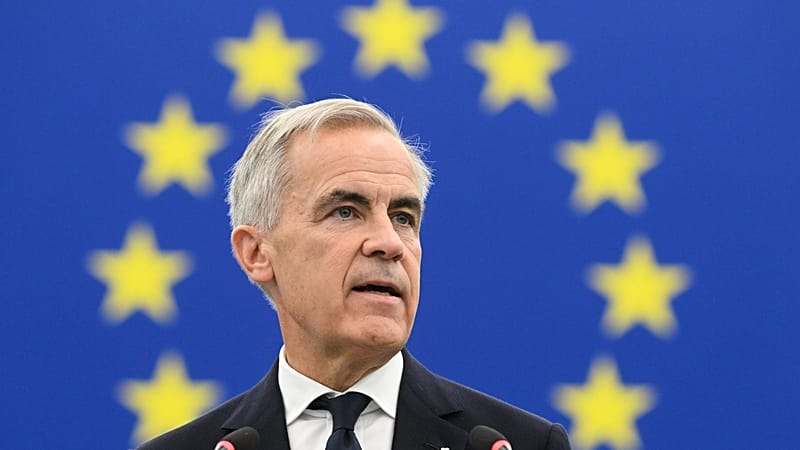
So, faced with this economic coercion, and repeated suggestions from U.S. President Donald Trump regarding Canada becoming the 51st state, Canadian Prime Minister Mark Carney has championed a strategy to reduce reliance on Washington, actively building global alliances.
Will the new alliance between the EU and Canada strengthen them both? Or will it bring unnecessary pressure from threatening international actors? Our poll is anonymous and takes only a few seconds to complete. The results will be featured across XL's EU-wide coverage, including videos, articles and newsletters, and will help shape our reporting as we examine how Europe can secure its position in the age of artificial intelligence.