
A man whose cancer symptoms were unfortunately dismissed by doctors actually built his own AI to help catch deadly diseases sooner. This incredible personal AI, which he named Haley, immediately flagged critical cancer red flags that medical professionals had completely missed, ultimately saving his life.
According to UNILAD, Steve Brown, the entrepreneur behind this groundbreaking tech, was diagnosed with an aggressive and rare form of blood cancer related to multiple myeloma. He shared his experience, saying, “I felt like the best years were behind me, like everything was sliding downhill. Over a few months I lost 30 pounds, had no appetite, and was wiped out by the smallest effort. My labs kept coming back with ‘abnormal’ tags: anemic, low immunoglobulins, high ferritin.”
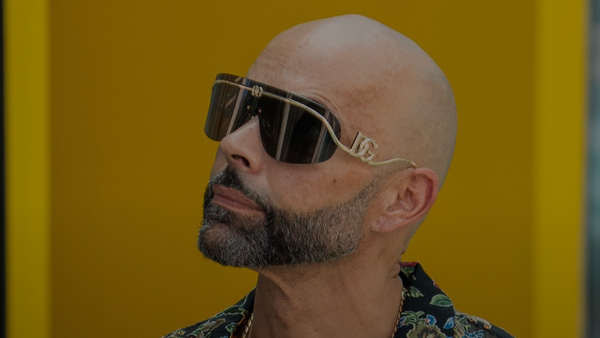
These symptoms were apparently not enough for his initial doctors to connect the dots. After an incident involving a steak dinner at home, Steve finally received his diagnosis. This whole ordeal left him wondering, “I wanted to understand why my earlier doctors had missed it after testing everything under the sun.”
His drive for answers led to something truly revolutionary
Steve decided to take matters into his own hands. He built Haley, his personal AI, from the ground up. He then fed it the exact same data that all those doctors had seen just weeks earlier. Haley immediately picked up on a number of cancer red flags that the human doctors hadn’t. These included mild anemia, elevated ferritin, and low immunoglobulins – all clear signs of immune dysfunction and potential bone marrow issues.
Inspired by his personal triumph, Steve went on to create CureWise, a platform powered by AI that’s designed to help other cancer patients become more informed about their disease. This platform aims to give patients a clearer idea of the questions they should ask their doctors during appointments. Steve also noted that CureWise can offer advice on potential treatment options.
Steve firmly believes that AI saved his life. He explained, “AI helped me identify the most targeted treatments for my unique cancer, understand the science, find the doctors willing to work at the frontier of medicine, and helped me make the case for the precision medicine that I needed. That is how it saved me.” For anyone currently facing health problems, Steve strongly advises considering AI as a supplemental tool alongside traditional human medical help.
He points out that “AI has synthesized more medical knowledge than any human could ever absorb, so it can cross-check hundreds of variables in seconds and compare your data to the latest research and trials.” This capability means you’re no longer just a passive patient. As Steve eloquently put it, “You stop being a passenger and start collaborating in your own care, and that shift can save your life.”
Have a tip we should know? [email protected]