Get all your news in one place.
100’s of premium titles.
One app.
Start reading
Tom’s Guide
Tom’s Guide
Technology
Lauren Jeffries

Doctor warns 1/3 of Americans don’t get enough of this vitamin — and it's probably why you can't sleep

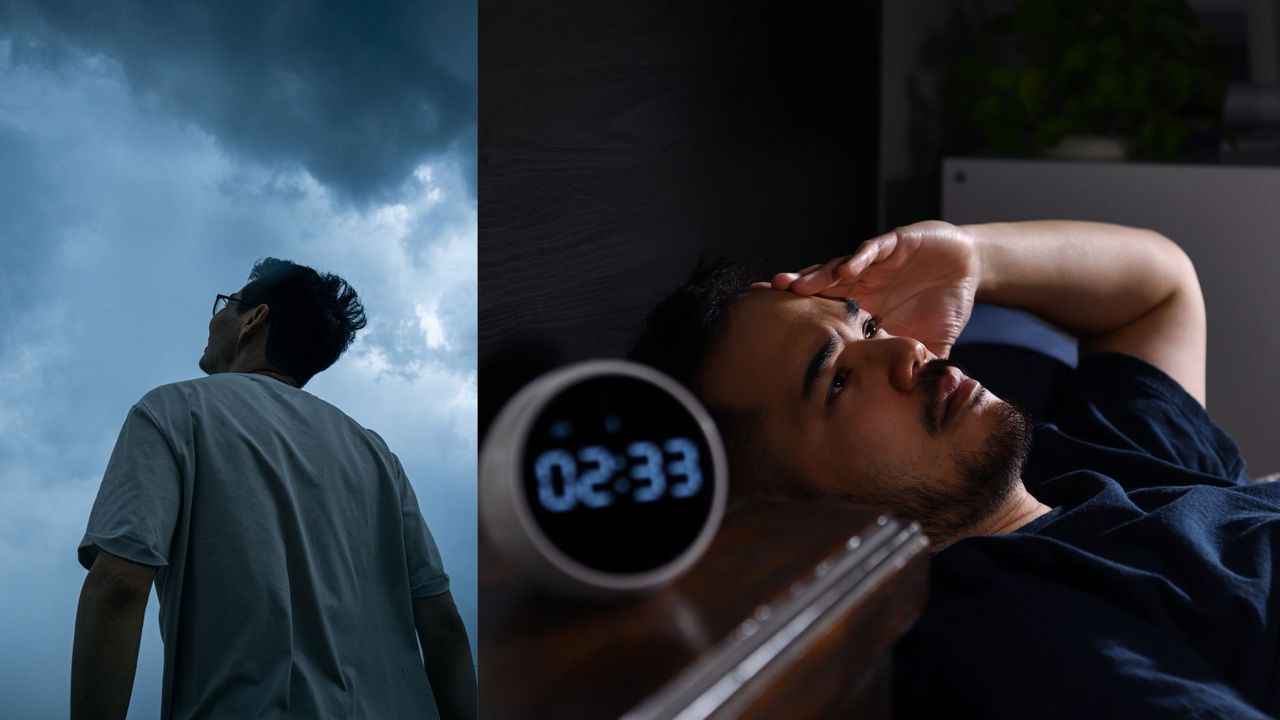
An image of a man looking up at the clouds, next to an image of man unable to sleep at 2.30 in the morning.
Invest in your sleep

(Image credit: Future)

Struggling to sleep? Check out our curated guide to the best mattresses we've tested this year.

It’s winter, which means hibernating indoors, getting cozy in bed and dark days. Because as the song goes, ‘Baby it’s cold outside,’ so why venture out there?

But unfortunately, there are consequences — especially if you want to get better sleep this winter. And that’s because we get a key nutrient from natural daylight: Vitamin D.

In fact, Dr Otulana, an NHS GP, has said that over a third of Americans don’t get enough Vitamin D, and that’s having huge consequences on sleep. I spoke to him to find out more.

Over 30% of US adults don’t get enough Vitamin D

“From what we understand of national survey data, roughly a third of adults have vitamin D levels that fall below what we would consider optimal,” says Dr Otulana.

Vitamin D is an essential nutrient for our physical and mental health, and plays an important role in our sleep.

But why don’t we get enough of it?

Well, a main source of Vitamin D is from the sun. So Dr Otulana says if we’re not spending enough time outside, “we get a lot less UV exposure, especially in winter.”

But it's important to note that even if you spend time outdoors during the winter, the UV is likely not strong enough for Vitamin D absorption through the skin.

(Image credit: Getty Images)

What role does Vitamin D play in our sleep?

But how can that impact our sleep? Well Vitamin D “directly affects sleep quality” because it regulates our circadian rhythm.

This is our internal body clock which “tells us when to feel awake and when to feel sleepy.”

The way it regulates this clock is by helping the production of serotonin (most commonly known as the mood boosting hormone), “which is a precursor to melatonin which is the hormone that tells us that it’s time to sleep.”

“When our levels are low, those signalling pathways can become disrupted,” Dr Otulana says, which can then result in people struggling to fall asleep, stay asleep and achieve “refreshing, restorative sleep.”

(Image credit: Getty Images)

Symptoms of Vitamin D deficiency

To know if you need more Vitamin D in your life, there are some common symptoms to look out for.

Low mood and fatigue

“Low mood and daytime tiredness also tend to be common with vitamin D deficiency, and both of those can make sleep worse.”

Without enough Vitamin D, you might be struggling to produce serotonin. This can lead to a type of seasonal depression called seasonal affective disorder, where feeling sleepy during the day, low in mood and anxious are common symptoms.

(Image credit: Getty Images)

Waking up at night

Find yourself waking up at 3am and unable to fall back asleep? You might be not be getting enough natural daylight.

A dysregulated circadian rhythm can result in not producing enough melatonin to keep you asleep throughout the night, which can lead to “lighter and more fragmented sleep,” says Dr Otulana.

Insomnia

Vitamin D deficiency can lead to “insomnia-like symptoms,” says Dr Otulana. Struggling to fall asleep at night is a clear indication that your circadian rhythm isn’t working effectively.

Normal sleep latency (the time it takes to fall asleep) can be anywhere between 10 and 20 minutes — but of course this does vary from person to person.

If you’re used to lying awake staring at the ceiling for an hour before you eventually drop off, it might indicate that you aren’t getting enough Vitamin D.

(Image credit: Getty Images)

The solution?

Even if you do venture outside during the colder months, “winter sunlight is too weak in much of the northern hemisphere to reliably make vitamin D through the skin,” anyway, according to Dr Otulana.

Which is why doctors routinely recommend adults take a daily vitamin D supplement between October and March.

“For most healthy adults, an over-the-counter supplement of around 1000 / 2000 IU a day is safe and effective,” the doctor says. “though people with certain medical conditions may need tailored advice so speak to your doctor first.”

“Alongside supplements, getting outside during daylight hours and including foods like oily fish / dairy and eggs can help, but diet alone usually is not enough throughout winter.”

Sign up to read this article
Read news from 100’s of titles, curated specifically for you.
Already a member? Sign in here
Related Stories
Top stories on inkl right now
One subscription that gives you access to news from hundreds of sites
Already a member? Sign in here
Our Picks
Fourteen days free
Download the app
One app. One membership.
100+ trusted global sources.