Every year, American shelters take in millions of dogs, and for many of them the outcome is decided long before they ever arrive. An estimated 5.8 million animals entered U.S. shelters in 2024, and roughly 4.1 million found new homes. According to the ASPCA, some 597,000 animals were euthanized in shelters in 2025 alone. Many of those stories begin with an impulse: the choice to bring home a dog, made without honestly weighing one's own circumstances.
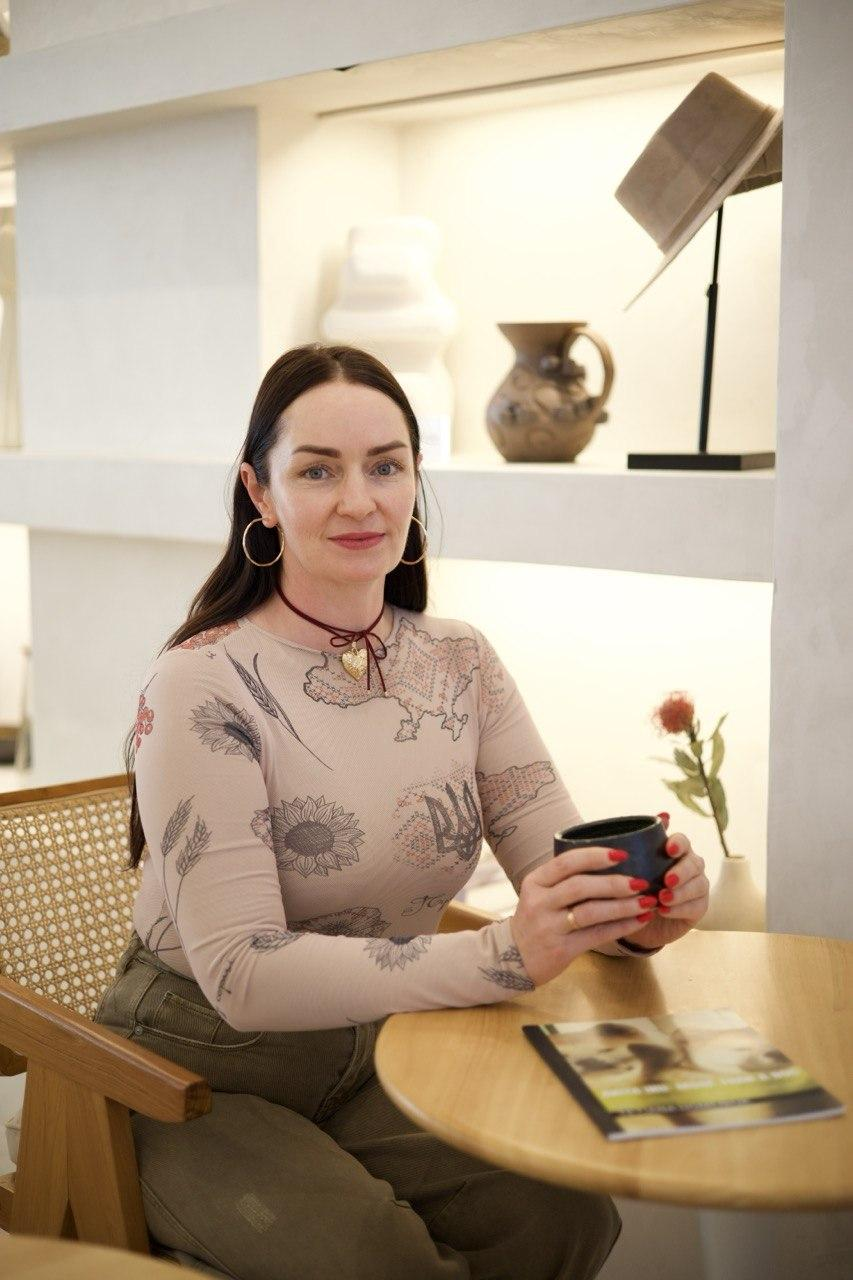
That moment is the focus of Tetiana Homeniuk's work — a Ukrainian Akita Inu specialist, author of two books and consultant, she has lived in the United States since 2023.
A breed that tests its owner
Her path with the Akita spans more than a decade. She was first drawn to dogs with strong character and deep devotion to their family, and over time that fascination grew into a profession: she studied the breed's history and standard, its genetics and behavior. The Akita Inu, Mrs. Homeniuk says, demands a particularly conscious owner, because its noble looks are so easy to romanticize.
"She reads a situation, she has her own view, and she needs a confident, consistent owner at her side," the breeder says of the Akita. What people most often underestimate, she adds, is how much the breed asks of them: early socialization, and the patient, informed handling an independent dog needs.
A book that begins before the dog
Her book Do You Truly Need a Dog?, published in English on Amazon Kindle Direct Publishing, starts where most breeders and manuals fall silent. Instead of advice on caring for an animal already in the home, it asks readers a harder question about their own readiness.
"I don't teach people how to care for a dog. I help them work out whether they're ready to take responsibility for a living creature for the next ten to fifteen years," the author explains. Four questions, she says, are decisive: whether a prospective owner can change their way of life, find the time, weather the hard stretches, and stay for the whole of the dog's life.
Research supports the approach. Owners who underestimate the work a dog involves are nearly ten times more likely to return the animal, according to one study, while the Humane Society reports that 7% to 20% of pets are returned within the first six months. A large American study of why dogs are surrendered points to behavioral problems as the single most common reason. Vitaliy Choohno, a veterinarian who owns the Vitae Vet clinic, praised the book for a rare focus: heading off problems before they start.
"A dog is not a purchase or a passing fad. It's a family member and a long-term commitment," Tetiana says of the idea at the book's core. A second book, Akita: More Than a Dog, picks up once the decision is made, turning to life with the breed itself; with her teaching materials, the two cover both halves of responsible ownership.
A decade of practice
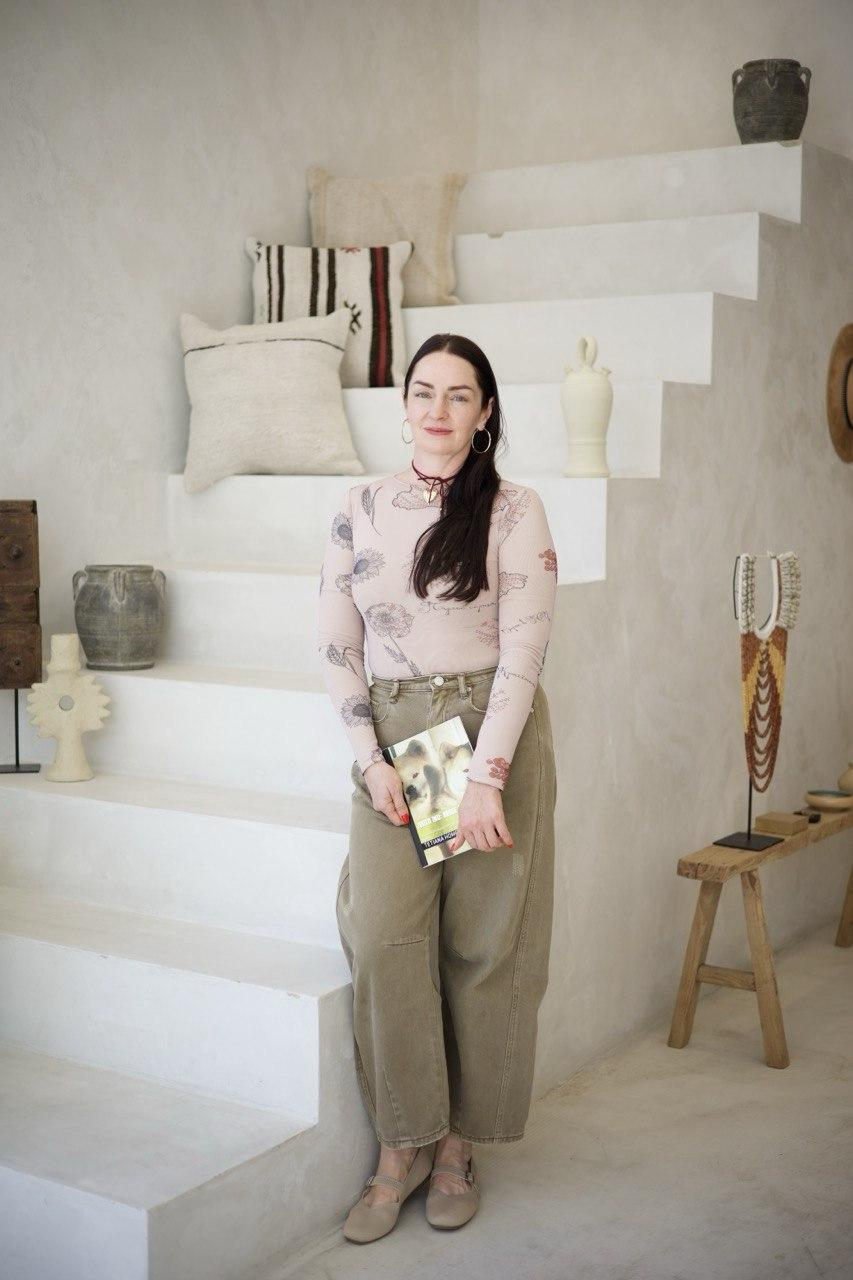
Behind these ideas lies years of hands-on breeding. Mrs. Homeniuk worked within the Fédération Cynologique Internationale (FCI) system through the Ukrainian Kennel Union, with an eye on health, temperament and conformity to type. For her, ethical breeding runs from the choice of a mating pair through the raising and early socializing of puppies to a careful vetting of future owners; on principle, she will not place a dog with anyone who plans to keep it chained or isolated.
Her results show in the ring. Dogs from her breeding have earned CAC and Best Baby titles under international FCI judges from Hungary, Poland, Slovakia and Bulgaria, and she competed at the Euro Dog Show 2017 in Kyiv, one of the largest FCI-sanctioned shows in Europe. The recognition is national, too: in 2024 the Ukrainian Business Award named her Outstanding Expert in Cynology and Responsible Akita Inu Breeding.
Work that doesn't end at the sale
Teaching is a separate and perhaps the most important part of what she does. Work with prospective owners begins with a long conversation, and only later turns to a particular puppy. The consultant asks about lifestyle and work schedule, the household and any other pets, finances, and whether someone can give a dog the time its upbringing demands. Sometimes a person leaves that conversation having decided the timing is wrong, and Tetiana counts that as a success.
"My responsibility for a dog doesn't end the day it goes to its new family," she says. Over the years she has guided dozens of families across Ukraine, Europe and the United States, and stays in touch with them long afterward; many new owners come to her on a recommendation.
The mistakes she helps people avoid rarely change: choosing a breed for its looks without learning its character, underestimating what it costs in time and money, or buying on impulse. Others treat a dog as a gift, or bring one home with no plan to socialize it. The research on relinquishment points the same way: among the most fixable causes are mistaken expectations about care, skipped obedience classes and gaps in veterinary follow-up.
Prevention over the shelter
The United States runs one of the world's largest shelter systems, and owner surrenders make up about 30% of everything that comes in. Much of that, research finds, has more to do with the owner's circumstances and expectations than with the dog: one Danish study traced 75% of dog surrenders to owner-related reasons. It is the kind of problem prevention can ease before it forms.
"The best way to reduce the number of abandoned dogs is to help people make a conscious decision before they ever get one," the author says. Since moving to the United States, Tetiana has joined AKIHO North America, the North American branch of the Japanese Akita-preservation society, pairing her European experience with the local community.
During the full-scale war in Ukraine, she backed fundraisers for animals left without homes and helped owners who would not give up their dogs whatever the circumstances. The experience hardened a conviction she states plainly:
"Don't ask yourself whether you want a dog today. Ask whether you'll be ready to be responsible for it in ten or fifteen years. A dog needs more than love — it needs time, patience, knowledge and daily care. When a person realizes that before they decide, everyone wins — the owner and the dog alike."