Collectively, we’re stressed. Our nervous systems are fried and our sleep is suffering. Enter: expensive gadgets that promise to help us unwind so we can finally get a decent night’s rest. Non-invasive vagus nerve stimulators (nVNS) are the latest viral sensations within the wellness industry.
As a mildly stressed and extremely frazzled working parent, the idea that I could de-stress and sleep better just by turning on a gadget sounds appealing. But do nVNS work, and are they worth the hundreds of dollars that they can cost?
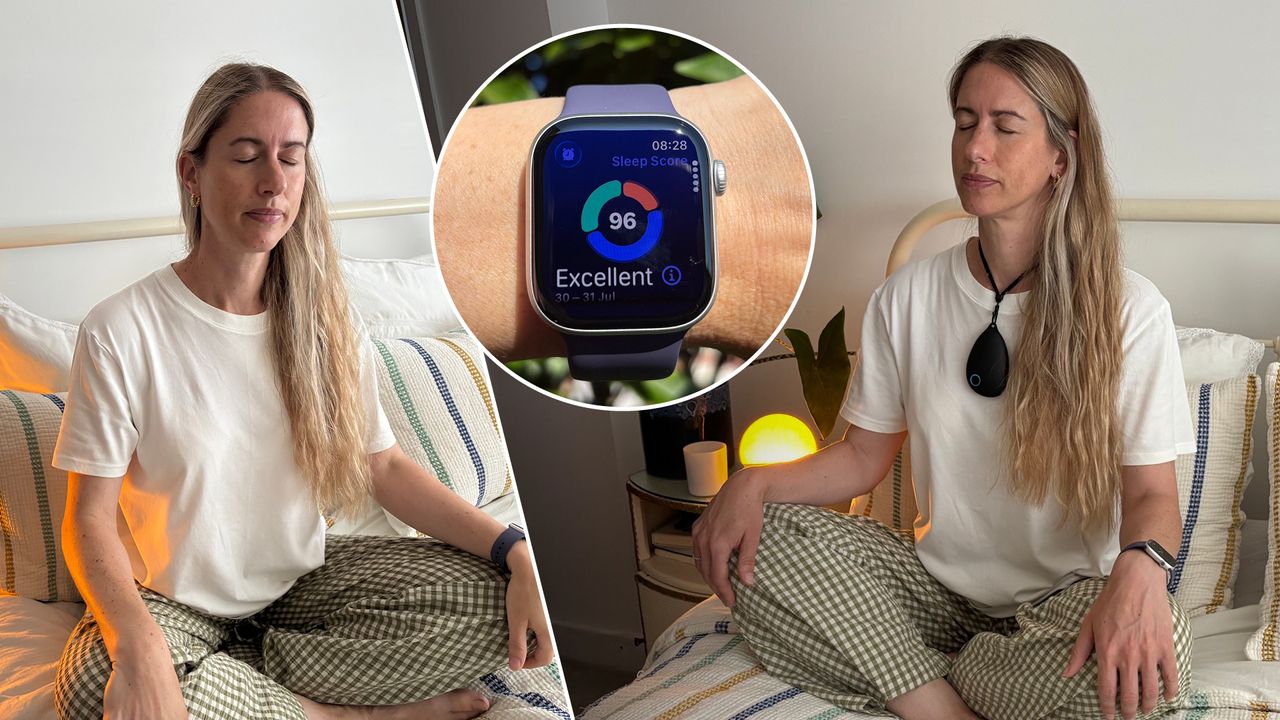
To find out, I tried a $299 vagus nerve stimulator and pitted it against doctor-recommended vagus nerve stimulation practices you can do at home for free. Both methods helped me mellow out before bed and hit a sleep score of 96 on my Apple watch, but one has become my go-to stress buster.
Key takeaways: At a glance
- Wearable vagus nerve stimulators offer an effortless, high-tech way to switch your body from 'fight-or-flight' into a relaxed state, but doctors point out that free physiological techniques can trigger the exact same biological response.
- To test how effective both options are, I put them to the test to see if they can help me lower stress for better sleep.
- Consumer vagus nerve stimulators can be effective at reducing stress but come with a high price tag.
- Techniques like deep breathing and cold-water facial exposure immediately stimulate the vagus nerve and lower your heart rate naturally with zero cost or equipment.
- The Verdict: If you struggle with stress and want a passive, hands-off solution to unwind, the $299 investment may be worth it. However, for most people struggling to sleep, $0 breathwork practices deliver comparable stress-relief results without spending a cent.
What is your vagus nerve and why do you need to stimulate it?
The term 'vagus nerve stimulator' has entered the wellness chat, with healthcare entrepreneurs and influencers alike lauding the benefits of the practice. But what is your vagus nerve, and why do we need to stimulate it?
"The vagus nerve is the longest cranial nerve, running from the brainstem to the major organs, with branches to the heart, lungs, and digestive organs," explains Dr. Adam Mednick, a board-certified neurologist.
The vagus nerve is stimulated whenever the body needs to calm down after a stressful experience
Dr. Adam Mednick, board-certified neurologist
"It’s the main highway of the parasympathetic nervous system, often called the 'rest and digest' system, helping regulate heart rate, breathing, digestion, immune responses, and mood."
This nerve plays a central role in the gut-brain connection and in how the body manages stress and inflammation, says Dr. Mednick.
"The vagus nerve is stimulated whenever the body needs to calm down after a stressful experience, acting as a brake on the fight-or-flight response, lowering heart rate, reducing inflammation, and promoting relaxation," continues the neurologist.
What are vagus nerve stimulators?
There are two types of vagus nerve stimulators. First, there are invasive vagus nerve stimulators, a device implanted under your skin. This type of vagus nerve stimulation (VNS) is usually used to treat epilepsy, depression and stroke recovery.
Then there are non-invasive vagus nerve stimulators (nVNS), commercial devices that act externally. These are typically used to manage stress and headaches.
For the average healthy person, the answer is no: consumer vagus nerve stimulators are unnecessary
Dr. Adam Mednick, board-certified neurologist
These devices target the parasympathetic nervous system, which is responsible for lowering your heartrate and aiding digestion. But they can cost hundreds of dollars — do we need them?
"For the average healthy person, the answer is no: consumer vagus nerve stimulators are unnecessary," says Dr. Mednick, who specializes in stroke, emergency neurology, and critical care neurology.
"FDA-approved uses of vagus nerve stimulation are for specific medical conditions, such as drug-resistant epilepsy and treatment-resistant depression, not general wellness."
A $299 vagus nerve stimulator vs free alternatives: How I tested
Commercial vagus nerve stimulators are marketed towards those who struggle with ongoing stress and poor sleep, who are looking for a medication-free, low-lift solution.
So, basically, me.
However, healthcare professionals are divided over whether they're beneficial for anyone beyond those who medically require them. Especially when there are methods of stimulating your vagus nerve at home, for free.
To explore how well a commercial vagus nerve stimulator compares to doctor-recommended alternative solutions, I put them both to the test.
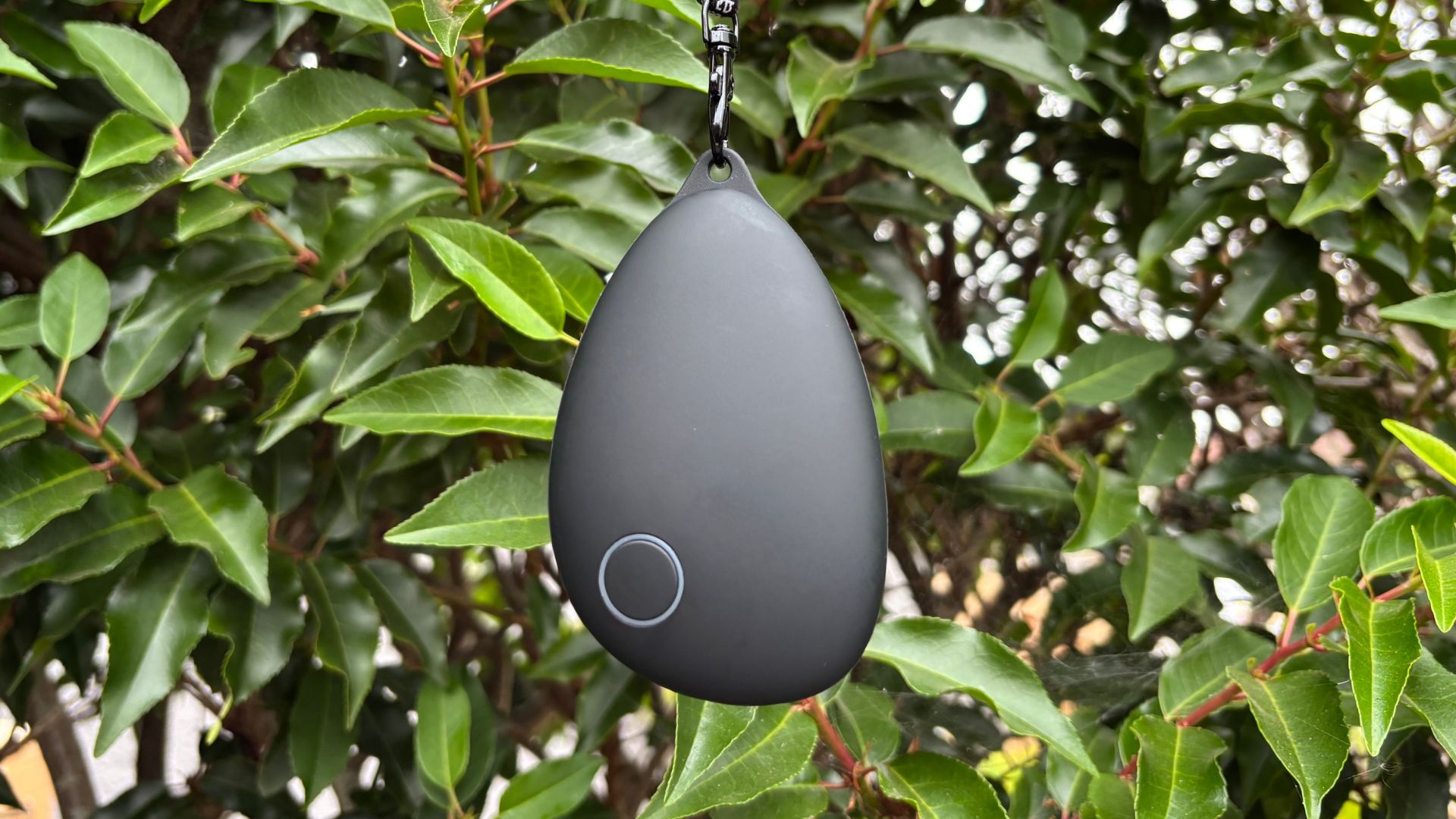
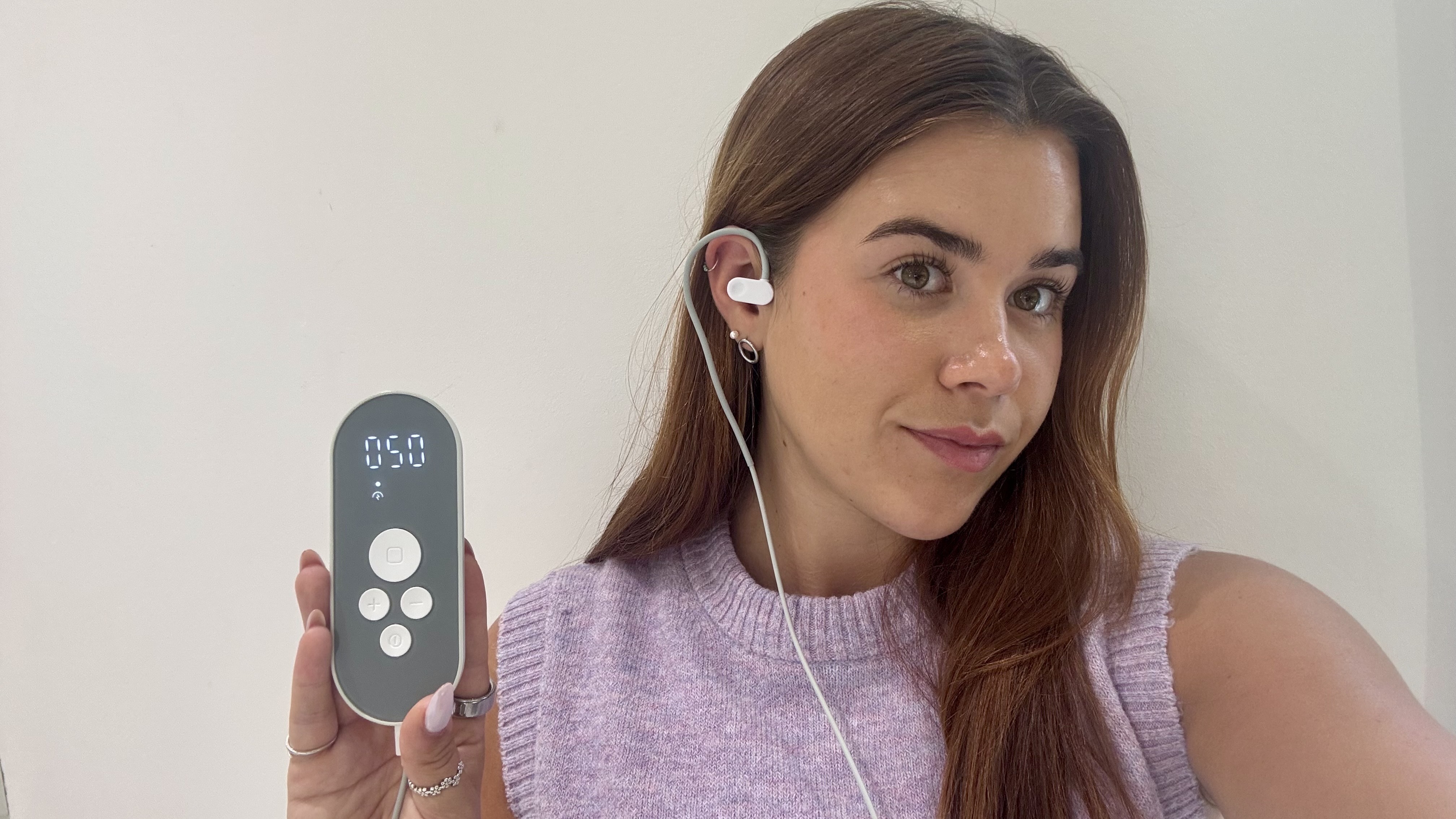
To do this, I tested a Sensate vagus nerve stimulator — a $299 device that promises to relieve stress in 10 minutes — against free practices, such as humming and cold water therapy.
I tried both methods at the same time each day; as soon as I finished work and again as part of my nighttime routine.
Via my Apple Watch and a third party app, Welltory, I was able to record my stress levels before the vagus nerve stimulation and after. I then combined this with my overnight sleep score to see which method (if any) helped me unwind enough to unlock a decent night's rest.
How a $299 vagus nerve stimulator helped lower my stress levels for better sleep
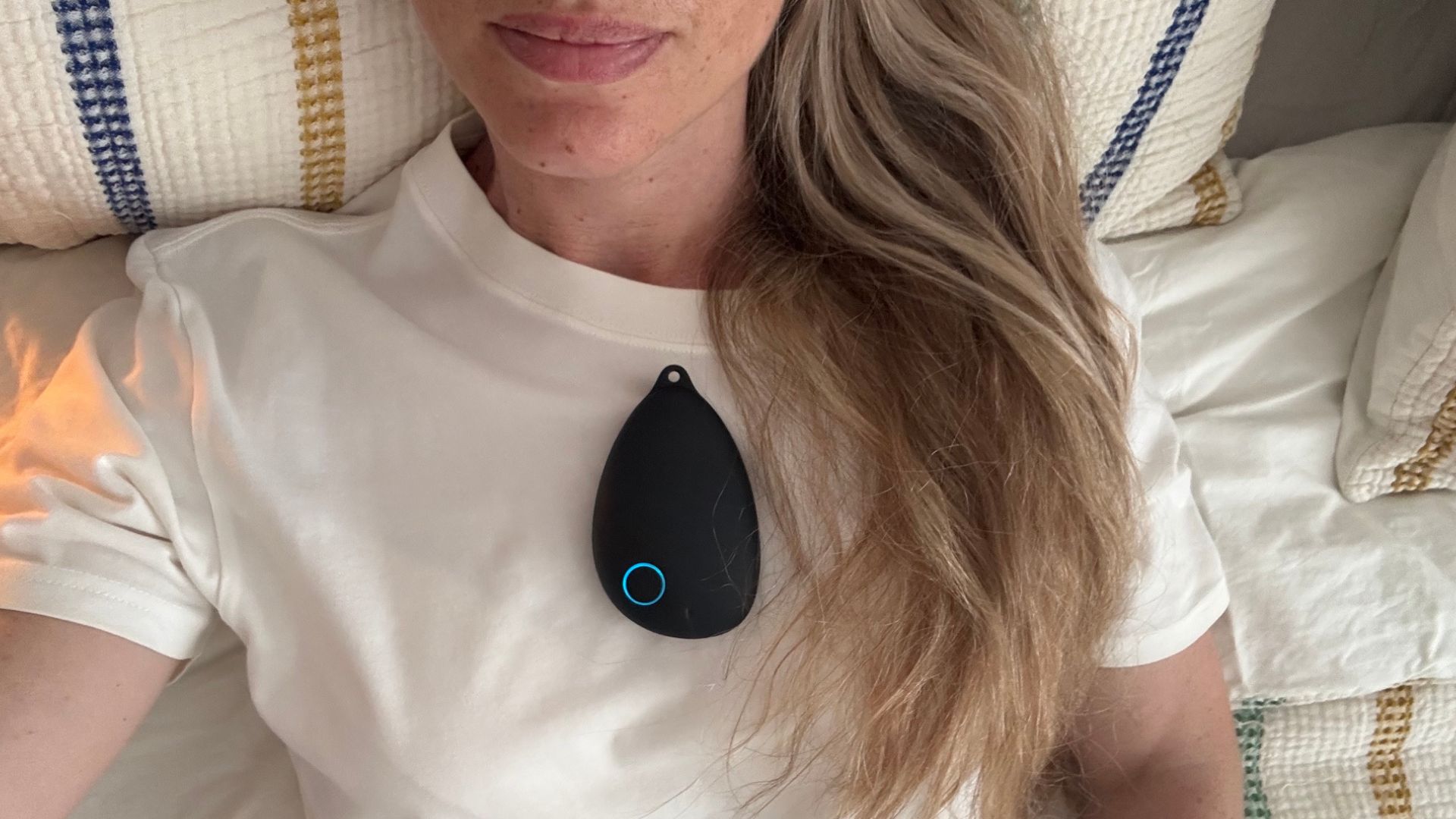
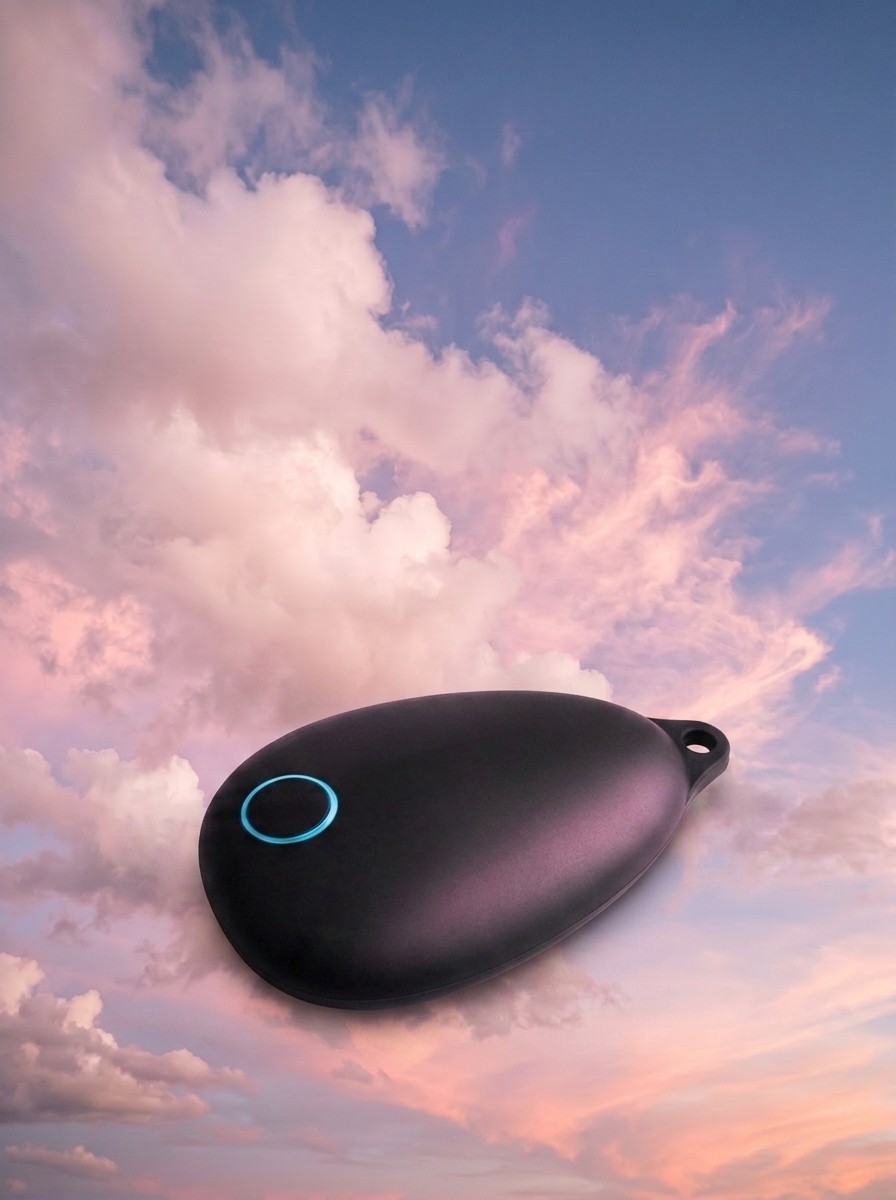
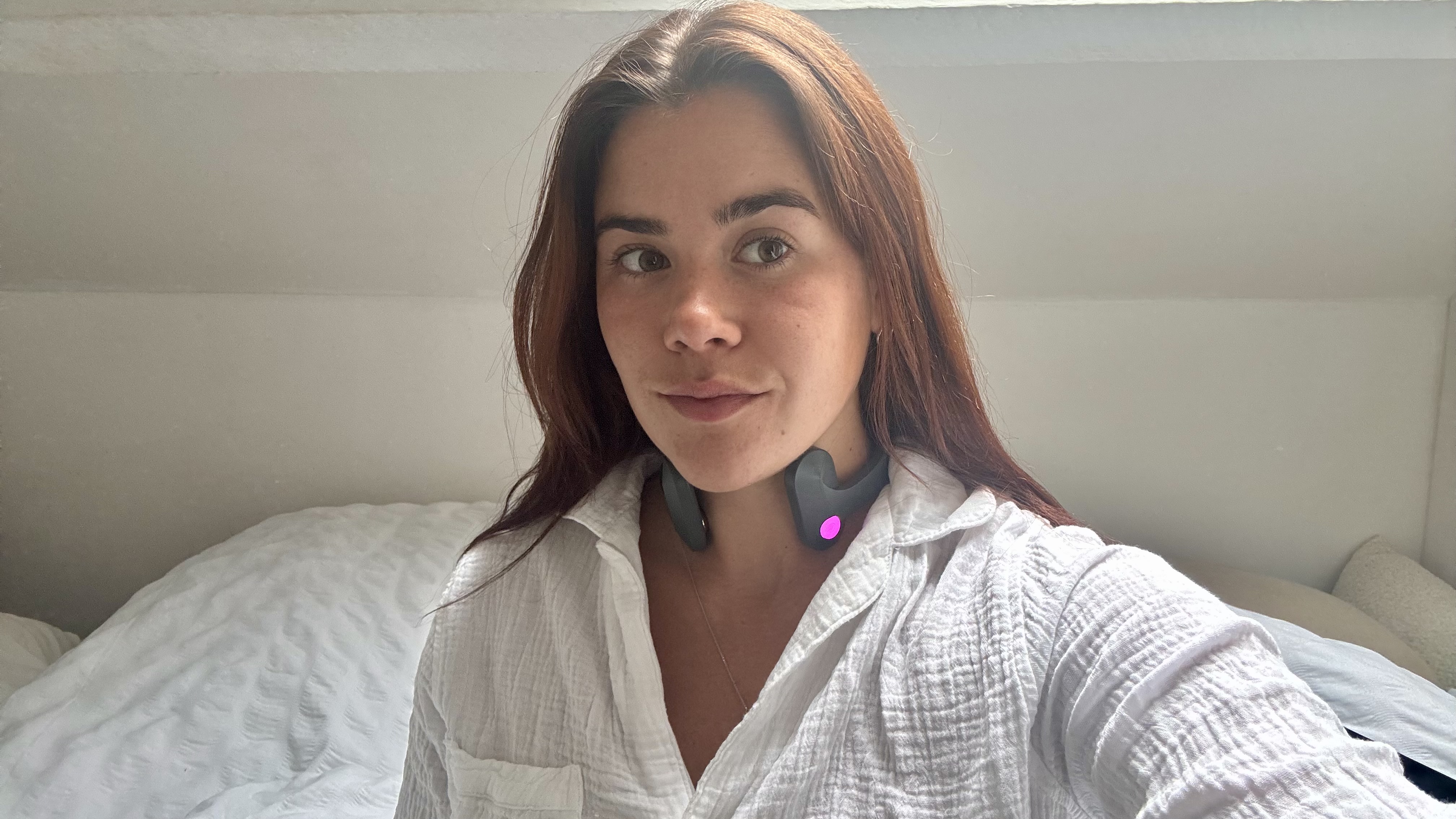
For this experiment, I tried out the Sensate vagus nerve stimulator, a pebble shaped device you place on top of your sternum for 10 to 30 minutes. It stimulates your vagus nerve through vibration pulses while you listen to a soothing soundscape.
Sensate recommends using the device during any period of stress, but for daily use it suggests immediately after finishing work and before bed as effective ways to reset and wind down.
With that in mind, I logged off from work and made a note of my stress levels via the Welltory app before using the device (65% - medium).
$299 vagus nerve stimulator: The results
My stress levels before: 65% (medium)
My stress levels afterwards: 17% (low)
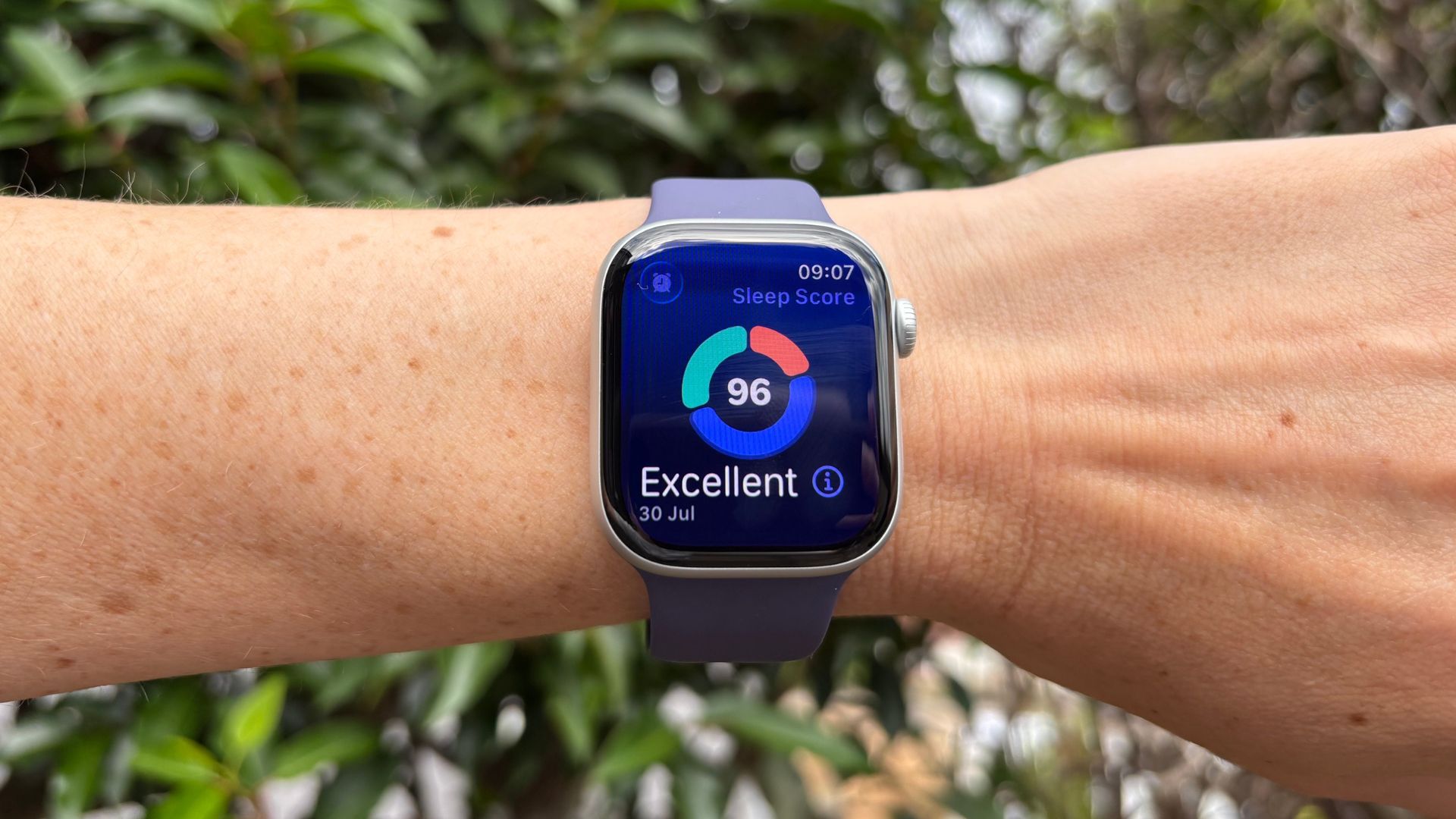
My sleep score: 96 (excellent)
I'll be honest, I wasn't expecting much. My colleague Eve has tested several vagus nerve stimulators and struggled to recommend them to anyone beyond devout wellness aficionados. But then, Eve is someone with a highly regulated nervous system who gets reliably good sleep every night.
The vibrating sensation took me pleasantly by surprise. I opted for a ten minute session and streamed the accompanying soundscape through my Ozlo sleepbuds 2. I sat on my bed and closed my eyes and focused on the vibrations. I might have been imagining it, but I could feel them in my stomach and even in my feet.
Once the ten minutes was over, I felt grounded and relaxed and thoroughly switched off from work. I made a note of my stress levels (17% - low).
I used the Sensate again before bed. This time, lying on my back with my sleep mask on and my sleepbuds in, I felt deeply relaxed. So much so that once the 10 minute session was over, I only had just enough energy to take the Senate off my chest before I fell fast asleep.
I woke up to a sleep score of 96 (excellent), which — as someone prone to 3 a.m. wake ups — is practically unheard of.
How free doctor-recommended vagus nerve stimulation practices helped lower stress for better sleep
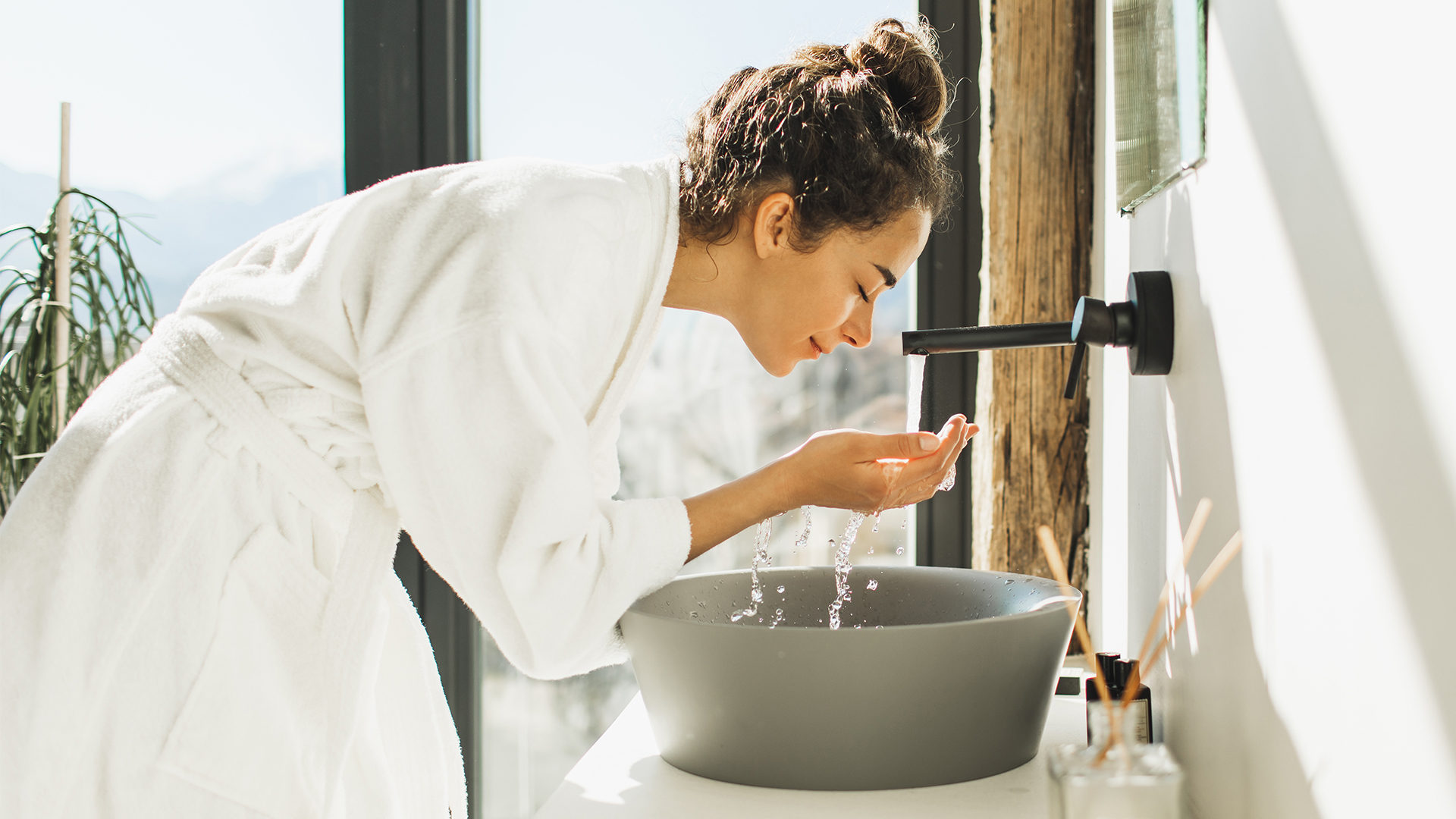
In order to stimulate the vagus nerve for stress relief, Dr. Merick, the author of Normal Pressure Hydrocephalus: From Diagnosis to Treatment, recommends the following practices:
- Slow, deep breathing: Especially with extended exhales. Breathing at roughly six breaths per minute activates vagal pathways via the diaphragm, lowering heart rate and blood pressure, and reducing anxiety.
- Meditation and yoga: Controlled breathing increases parasympathetic tone, reducing stress.
- Exercise: Regular physical activity is one of the most reliable ways to improve vagal tone.
- Cold exposure: Brief cold water exposure (such as splashing cold water on the face or taking cold showers) can trigger a vagal response.
- Singing and humming: These activities engage the muscles of the throat innervated by the vagus nerve.
In order to recreate the same relaxing conditions as the vagus nerve stimulator, I logged my stress levels via the Welltory app (14% very low — which is unusual for me). I then decided to splash my face with cold water once I finished work to trigger an initial vagal response.
Free vagus nerve stimulation practices: The results
My stress levels before: 14% (very low)
My stress levels afterwards: 5% (too low)
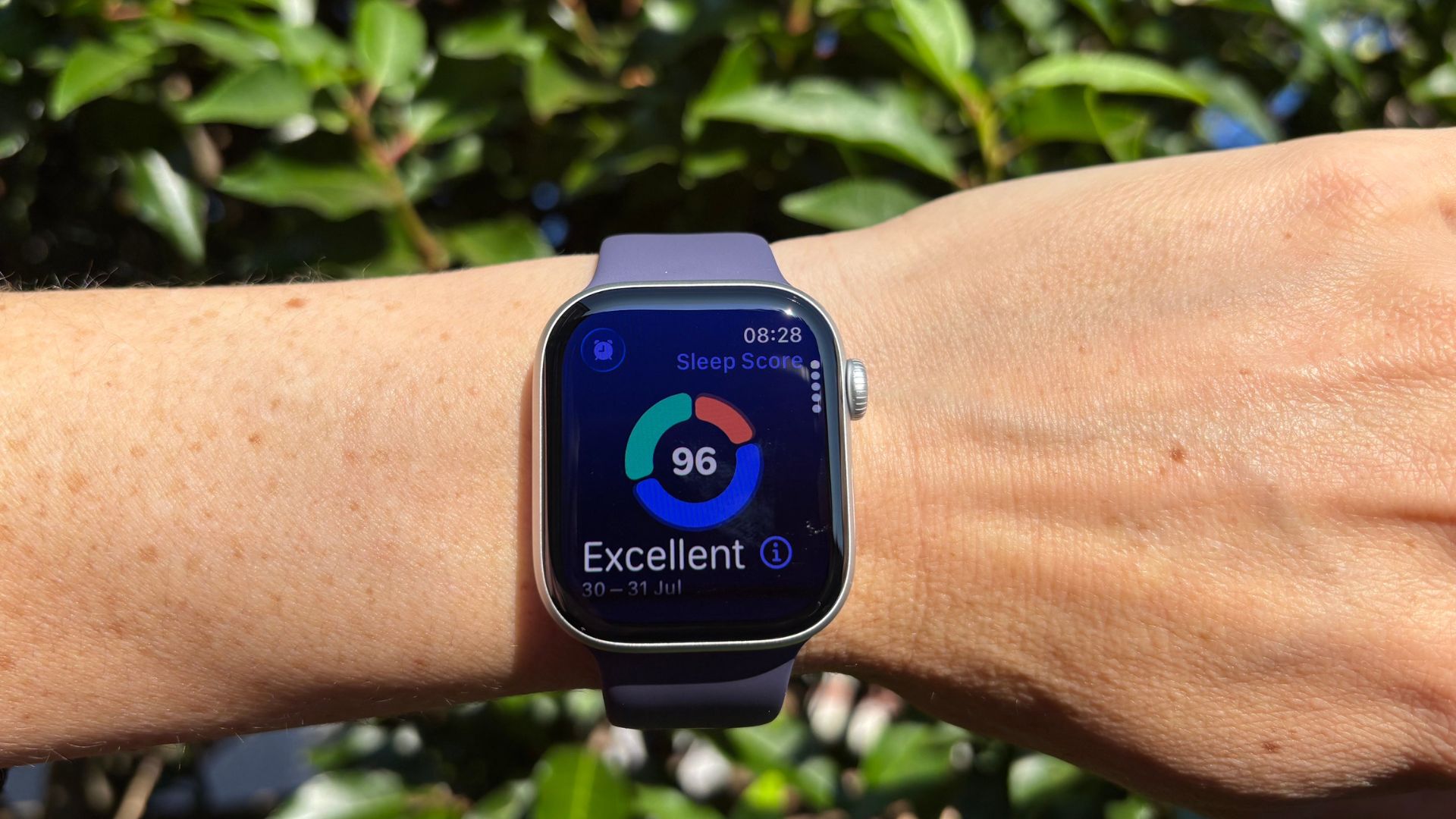
My sleep score: 96 (excellent)
Next, I sat on my bed for ten minutes — the same length of time as I used the Sensate stimulator for — and practiced some deep breathing, focusing on long, extended exhales to open vagal pathways and lower blood pressure. To make it a fair fight, I also listened to a soundscape on my Ozlo sleepbuds.
This felt relaxing, but in a gentler way to the Sensate vagus nerve stimulator. It felt as though I had managed to leave the working day behind me, which isn't always easy if you've worked from home.
I can see why experts recommend humming to stimulate the vagus nerve — I can feel the sound reverberating through my chest
But if I'm honest, I felt drained, rather than relaxed. This was reflected in my stress score (5% — which is apparently 'too low'). I think I've been fighting stress for such a long time that I just felt utterly depleted.
That night, I tried to recreate the same conditions as the Sensate stimulator. I got ready for bed, put on my sleep mask, listened to a soundscape and practiced some humming (much to the confusion of my husband).
I can see why experts recommend humming to stimulate the vagus nerve — I could feel the sound reverberating through my chest. I fell asleep before the ten minutes were over and woke up to another 96 sleep score.
Do you need to spend hundreds of dollars on a vagus new stimulator, or can you get the same results for free? The verdict
Do you need to spend hundreds of dollars on a specialist vagus nerve stimulator in order to combat stress for better sleep? No. But if, like me, underlying stress is something you currently live with, they're certainly a nice-to-have piece of sleep tech.
I like and appreciate how you can simply put the Sensate around your neck, turn it on and relax — no thinking required. But you can absolutely access similar results by following doctor-recommended practices, such as cold water therapy, deep breathing and exercise.
The biggest takeaway for me from this experiment is that you have to make time to combat stress. Feeling stress and doing absolutely nothing about it won't work (trust me). Much like trying to sleep better, you need to make it a priority — but you don't have to spend $299 to do so.
Stress-busting tech we've tried and tested for better sleep