
Get all your news in one place.
100's of premium titles.
One app.
Start reading
GOBankingRates
GOBankingRates
Lydia Kibet

Do You Have To Worry About Taxes If You Have SNAP Benefits?

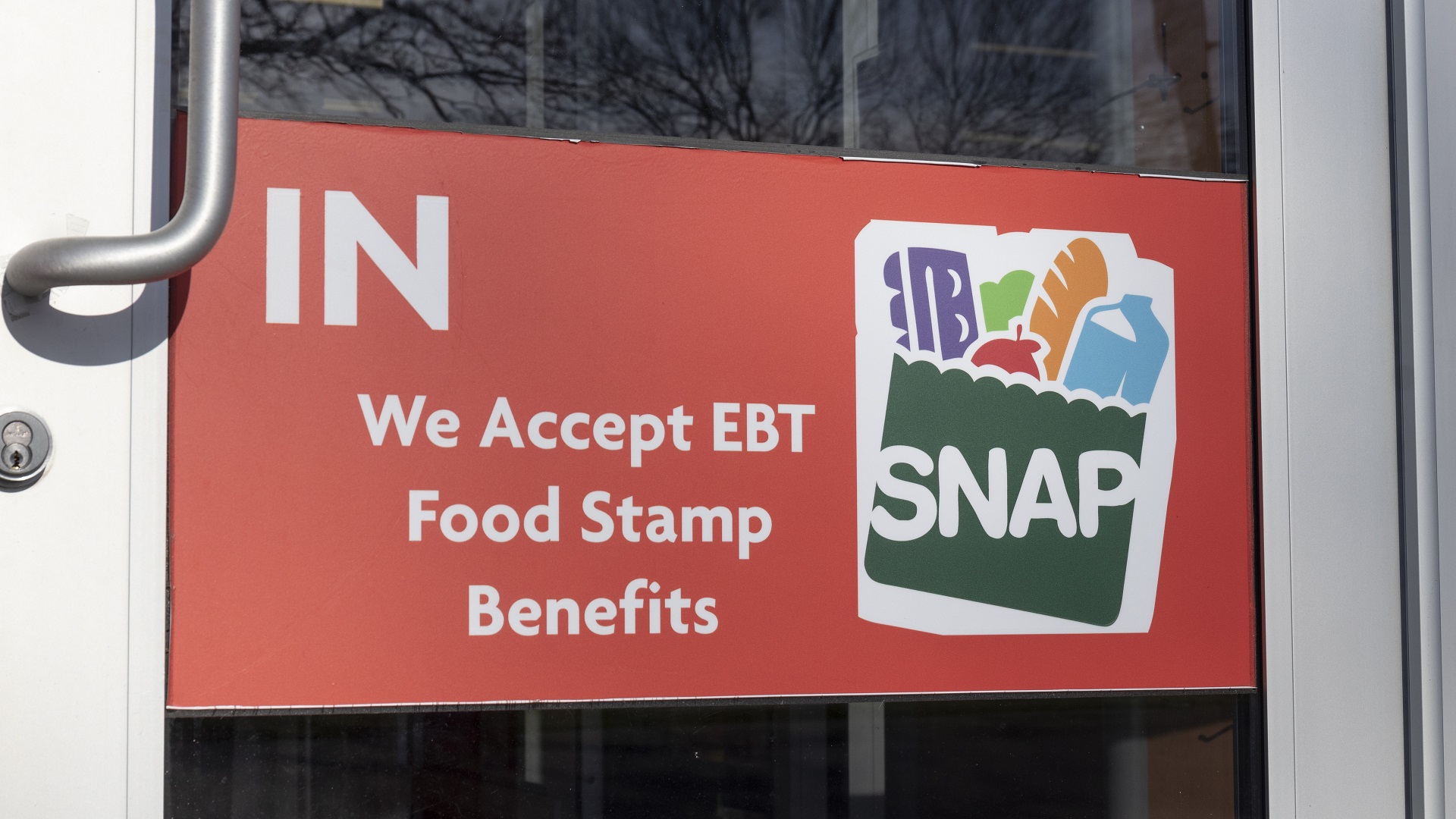
jetcityimage / iStock.com

The Supplemental Nutrition Assistance Program (SNAP) provides food benefits to millions of Americans. If you rely on SNAP, you may have asked yourself these questions at one point: Do those benefits count as income? Will they increase how much you owe in taxes?

The short answer is no. SNAP benefits themselves won’t increase your tax bill. But that doesn’t mean taxes are entirely off the table. Here’s what you need to know, according to tax experts.

Check Out: 8 Ways Trump’s ‘One Big Beautiful Bill’ Could Offer Tax Relief 

For You: 5 Low-Effort Ways To Make Passive Income (You Can Start This Week) 

SNAP Benefits Don’t Count as Taxable Income

SNAP benefits are a form of government food assistance to low-income American households. The IRS doesn’t treat such benefits as taxable income and you don’t need to report them on your federal tax return.

“SNAP benefits do not count as income, so they will not increase your taxes. They’re not added to your adjusted gross income,” said Wade Pfau, chartered financial analyst (CFA) and founder of Retirement Researcher. “You might still have to pay taxes based on other income sources, but the SNAP benefits themselves will not raise your taxes.”

This is why SNAP eligibility is calculated based on your gross income. To qualify, your gross monthly household income must be at or below 130% of the federal poverty line. This means what you earn determines your SNAP benefits, but the benefits themselves won’t affect your tax bill.

The good news is that you may still qualify for tax credits that can increase your refund even if your income is low.

“Many SNAP beneficiaries would still be eligible for refundable credits such as the Earned Income Tax Credit, which can yield a refund even with low income,” said David Kang, tax advisor and founder of Keeper Tax.

See Next: Maximize Your Tax Refund by Avoiding This Common Mistake 

Underreporting Income Can Lead To Tax Penalties

It may be tempting to underreport income to qualify for SNAP benefits. However, doing so will cause you more trouble with the IRS.

“Reporting less side income to maintain your SNAP eligibility can lead to issues with the IRS and benefit agencies. SNAP doesn’t increase your tax burden, but your income determines both your tax situation and eligibility, so it’s essential to get it right,” Kang explained.

Make sure you report your income accurately to avoid penalties and receive the correct benefits and tax credits you’re entitled to.

More From GoBankingRates

This article originally appeared on GOBankingRates.com: Do You Have To Worry About Taxes If You Have SNAP Benefits?

Sign up to read this article
Read news from 100's of titles, curated specifically for you.
Already a member? Sign in here
Related Stories
Top stories on inkl right now
One subscription that gives you access to news from hundreds of sites
Already a member? Sign in here
Our Picks
Fourteen days free
Download the app
One app. One membership.
100+ trusted global sources.