
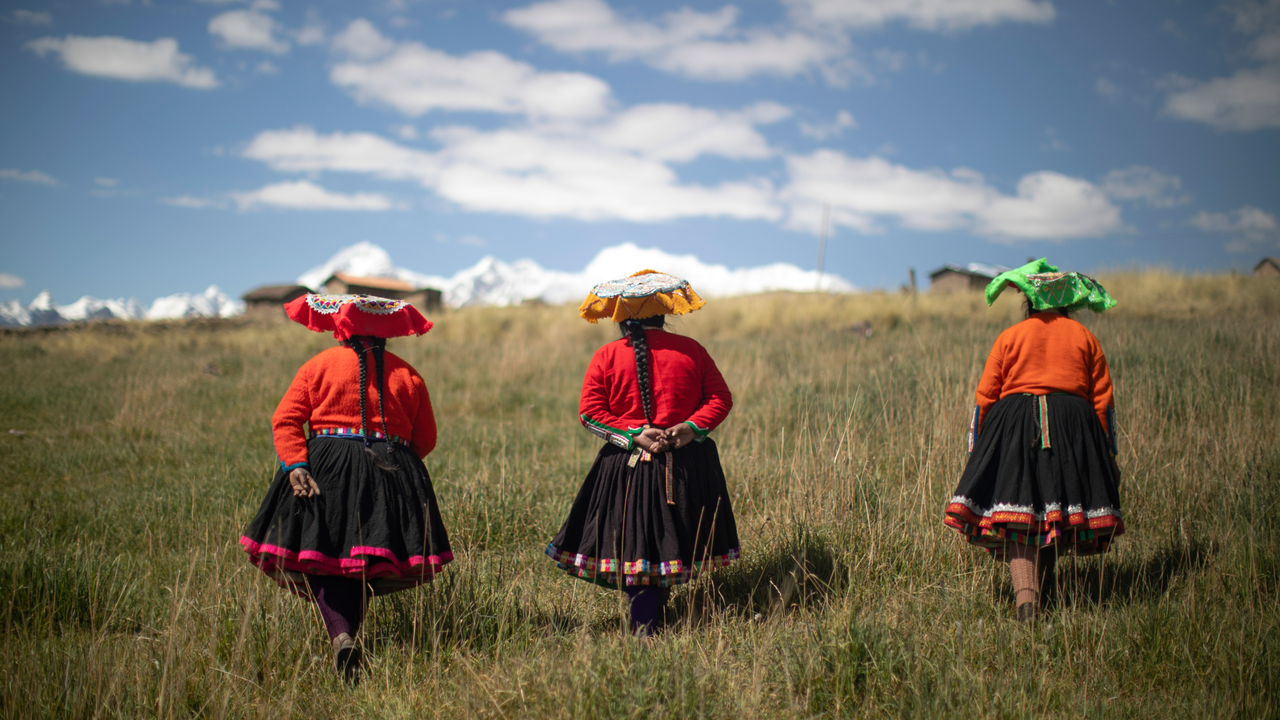
Humans migrated to South America in three distinct waves over the course of thousands of years, a new large-scale analysis of Indigenous Americans' DNA reveals. The investigation also found that genes related to fertility, metabolism and the immune response helped people adapt to their unique environment in the "final frontier" of human migration, the researchers said.
In a study published Wednesday (April 22) in the journal Nature, an international team of scientists detailed findings from the Indigenous American Genomic Diversity Project, which analyzed 128 genomes from people living in Argentina, Bolivia, Brazil, Colombia, Ecuador, Mexico, Paraguay and Peru — an investigation that included 45 populations and 28 language families. The researchers' goal was to better understand how and when people arrived on the continent and the factors that shaped these populations' genetics.














