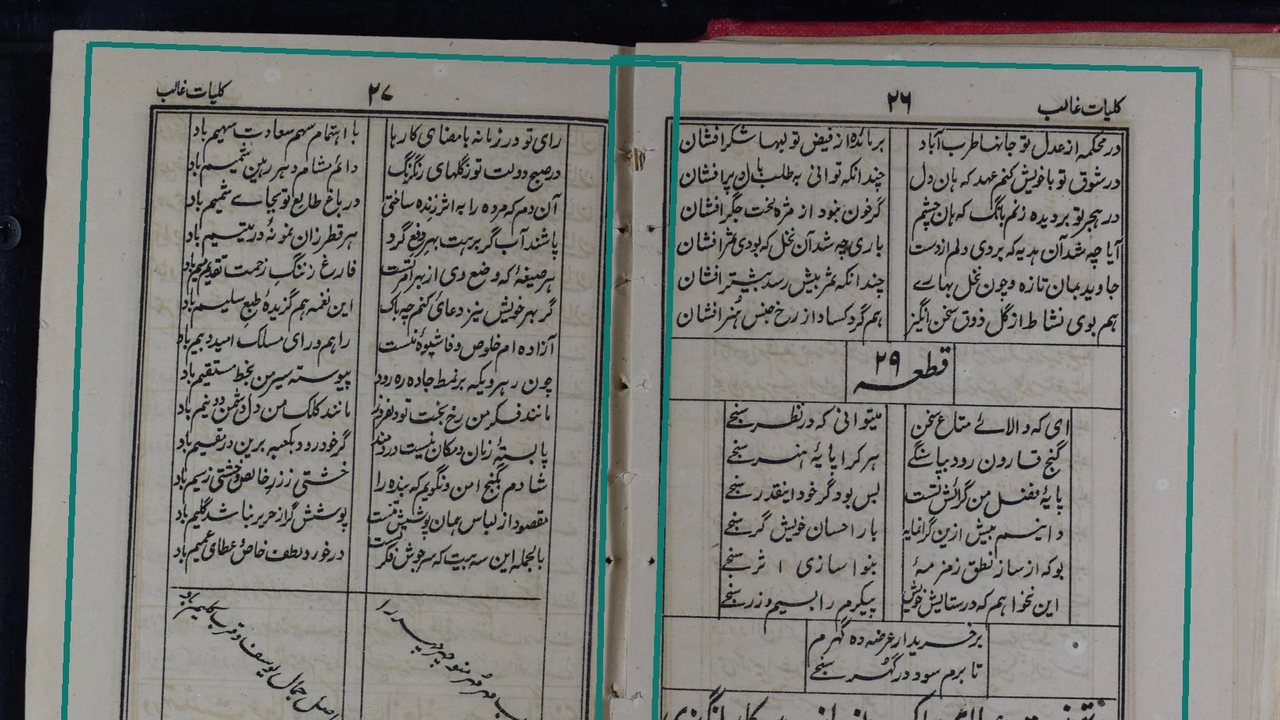
Around 2015, a trio of Pakistani friends took it upon themselves to digitize a large number of out-of-print books in Urdu, many of them lithographs — they call it the Ibteda Digital Library. They did it for the love of the language, with no budget or support, but after 576,000 shutter counts on a D5300 camera, 326,000 on a D3300, and 526,000 dual-page photos, they have now had to call it quits after a decade. However, eventually one of the trio came up with a finely-tuned machine-learning process that may eventually be of help to similar projects worldwide. The project certainly stands in contrast to the current practice of large AI companies scanning rare books and destroying them to train AI chatbots.
The team didn't have any formal budget worth and bought all of the books out of their own pockets. They kicked off the efforts with a single Nikon D5300 camera, some LED bulbs, and a glass sheet taken from a photocopier to squeeze the books against. The process was manual in more ways than one: besides turning the pages by hand, the members spent copious amounts of time in Photoshop post-processing the results.