Get all your news in one place.
100's of premium titles.
One app.
Start reading
AAP
AAP
Politics
Andrew Brown

Disadvantaged, regional students to get uni funds boost

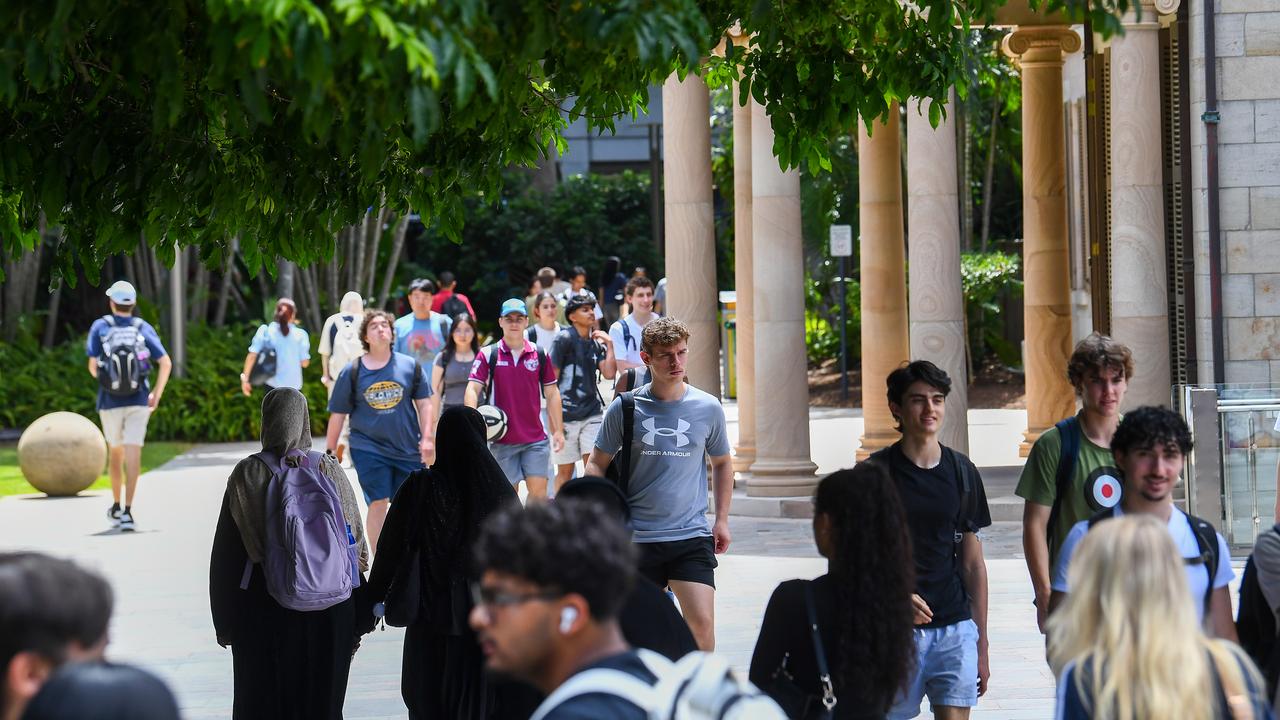
Universities will get more funding to take extra disadvantaged and regional students. (Jono Searle/AAP PHOTOS)

More Australians from disadvantaged backgrounds will be given the opportunity to study at university.

The number of students from regional areas or from low socio-economic backgrounds will be uncapped, as part of laws set to be introduced to federal parliament on Thursday.
Universities will get more funding for the extra students they enrol from poorer backgrounds as well as those who study in regional campuses under a needs-based model.

The Commonwealth will pay universities $1535 per eligible equity student and $1398 for every regional student, with it helping to cover tutoring, mentoring, and academic assistance.

Education Minister Jason Clare said the payments were more than double the amount universities previously received under similar programs.

Clare
Jason Clare says the program will give more people the chance to study at university. (Dominic Giannini/AAP PHOTOS)

"Talent is everywhere. It's opportunity that's not. These reforms will mean more young people from poor families and from the regions and the bush get a crack at university," he said.

"If you get the marks, or you've got the skills, you've got what it takes. You will get a place. We're also making sure you will get the support you need when you get there."

"The evidence tells us that students from low SES backgrounds and students from the regions and the bush aren't just less likely to start a university degree, they are also less likely to finish it."

The laws will pave the way for $3.6 billion extra in funding for government-supported places at university over the next 10 years.

During the next decade, an extra 230,000 students will begin university study.

"The Universities Accord set a target that by 2050, 80 per cent of the workforce will have a TAFE qualification or a university degree," Mr Clare said.

"The only way to do that is if we break down the barriers that stop so many young people from getting to university."

Sign up to read this article
Read news from 100's of titles, curated specifically for you.
Already a member? Sign in here
Related Stories
Top stories on inkl right now
One subscription that gives you access to news from hundreds of sites
Already a member? Sign in here
Our Picks
Fourteen days free
Download the app
One app. One membership.
100+ trusted global sources.