A series of significant environmental recovery projects could be in jeopardy without continued federal government funding, activists warn.
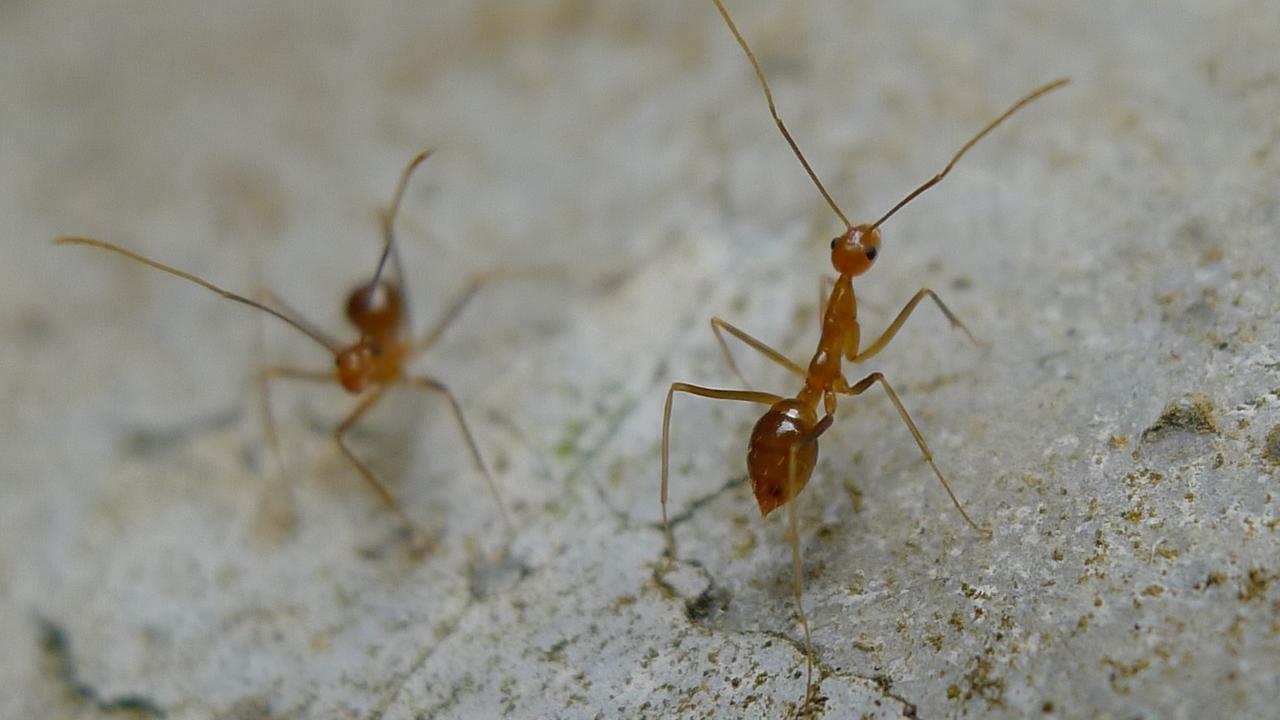
The Invasive Species Council and the Australian Land Conservation Alliance say funding for programs such as yellow crazy ant eradication and feral animal control will expire in June.
'Across Australia, the Saving Native Species program funding underpins hundreds of co-ordinated programs that are actively protecting native wildlife," Invasive Species Council chief executive Jack Gough said on Monday.
"A delay of even a few months can undo years of progress and pour millions of dollars down the drain."
Despite acknowledging that wildlife recovery and invasive species control needs ongoing investment, the Albanese government failed to commit any funding in December's mid-year fiscal budget update, Mr Gough said.
"The absence of bridging funding creates immediate uncertainty for programs ... limiting their ability to retain skilled staff, secure contractors, and plan treatment and monitoring activities for upcoming seasons," he said.
"Failing to ensure continuity in invasive species funding is a false economy."
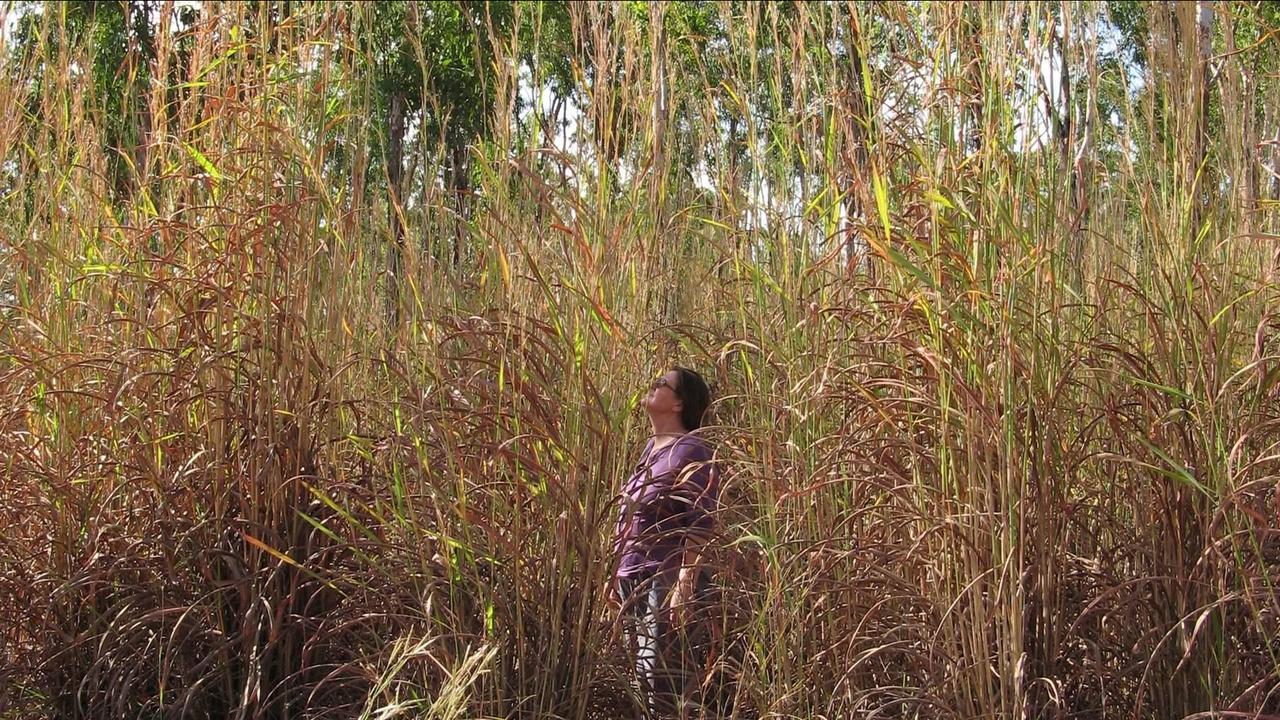
Some of the projects include yellow crazy ant eradication work in North Queensland's Wet Tropics World Heritage Area, gamba grass eradication program in the Northern Territory Top End and feral cat control on Kangaroo Island in South Australia.
The current funding of $225 million was provided over three-and-a-half years.
A failure to provide more money could undo years of work and endanger the survival of many of the nation's most vulnerable wildlife, activists said.
"Critical programs are facing a valley of death with complete uncertainty of
what is next," Mr Gough said.
A government spokeswoman said future funding of the program would be considered through usual budget processes.
"The Albanese government created the Saving Native Species Program and continues to strongly support its ongoing work," the spokeswoman said.
Yellow crazy ants are on the list of the world's 100 worst invasive species, the council said.
They are highly aggressive and have made their way into Australia through ports.
Gamba grass is a towering, flammable grass that can grow up to four metres high, spreads like wildfire and can cause the same.
It was first introduced to Australia in 1931 as a pasture grass for cattle.
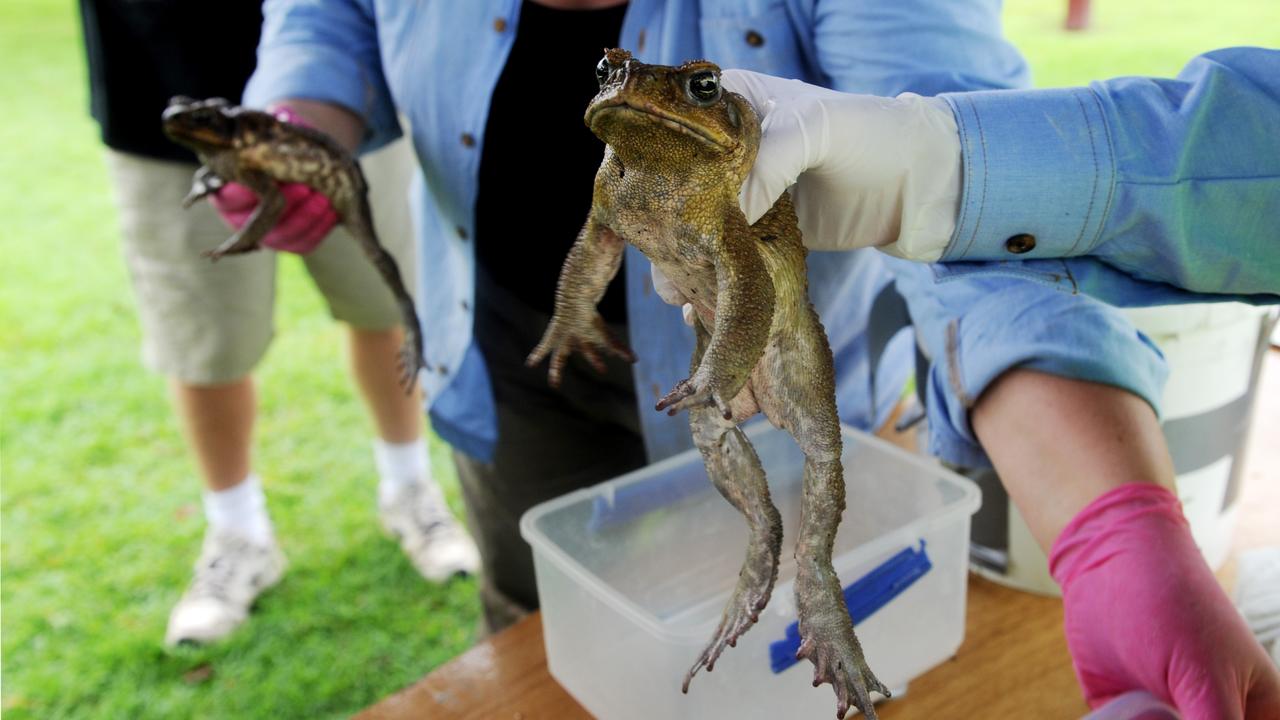
Feral animals in Australia include wild cats, deer, goats, horses, pigs, camels, foxes, cane toads, water buffalo and rabbits.
They impact native species by predation, competition for food and shelter, destroying habitat, and spreading diseases.