
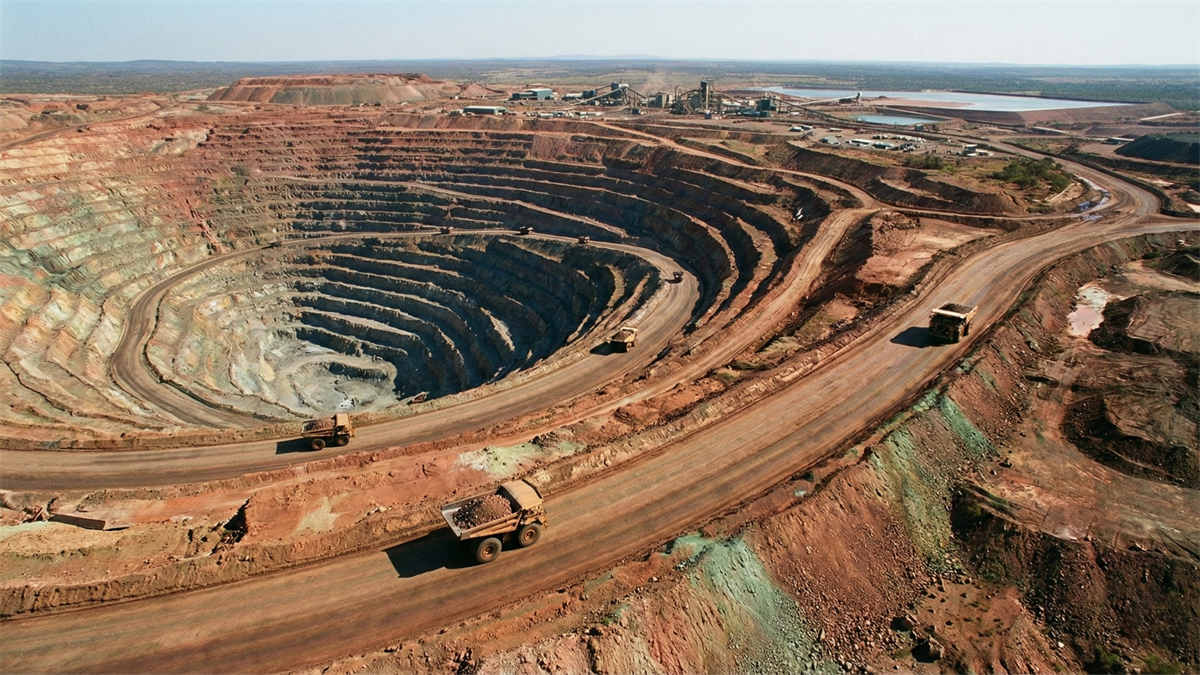
Gold and silver have dominated financial headlines for the last 18 months. Driven by central bank buying, geopolitical instability, and global economic uncertainty, precious metals have provided a necessary shield for investors seeking safety. However, as the calendar turns to February 2026, the market narrative is shifting. The defensive trade is giving way to a growth trade, and copper is leading the charge.
Currently testing the $5.85 to $6 per pound range (approximately $12,900 per metric tonne), copper is decoupling from traditional industrial cycles. In previous decades, copper prices moved in lockstep with general construction and GDP trends. If housing slowed down, copper went down. Today, that correlation is breaking. A new, price-inelastic dual engine is now driving demand: the electrification of the global power grid and the massive energy requirements of artificial intelligence (AI).

Today’s copper story is about more than building electric vehicles. Data centers running advanced AI models consume exponentially more power than traditional server farms. This infrastructure requires massive amounts of copper cabling for transmission lines, transformers, and grounding systems. At the same time, the global copper supply is shrinking due to aging mines and a lack of discoveries. This supply-demand imbalance creates a compelling setup for the sector that looks different from any cycle investors have seen before.
Freeport-McMoRan: Capturing the AI Demand Wave
For investors looking to capitalize on the sheer volume of copper needed for the AI transition, Freeport-McMoRan (NYSE: FCX) stands out as a primary beneficiary.
As one of the world’s largest publicly traded producers, Freeport’s stock price is highly sensitive to the spot price of the metal.
Unlike diversified miners that also sell iron or coal, Freeport is a pure copper play. When copper prices rise, Freeport’s profit margins expand significantly.
This leverage was evident in the company's recent fourth-quarter earnings report released on Jan. 22, 2026.
Freeport reported earnings per share (EPS) of 47 cents, beating analyst estimates of 28 cents.
Revenue also came in strong at $5.63 billion. These numbers confirm that the theoretical demand from tech and infrastructure sectors is finally translating into actual cash flow.
Innovation Through Leaching
Beyond traditional mining, Freeport is deploying a strategy that separates it from competitors: leaching technology. Developing a new mine can take over 15 years due to complex permitting, environmental studies, and construction. However, Freeport holds massive stockpiles of waste rock from decades of previous mining operations.
By applying new, proprietary leaching technologies to these stockpiles, the company can extract residual copper that was previously deemed unrecoverable. This initiative allows Freeport to bring new copper to market without the massive capital expense or decade-long delay of digging a new hole in the ground. It is effectively squeezing water from a stone, and it is the quickest way for a major producer to meet the immediate supply squeeze caused by the AI boom.
Navigating Supply Constraints
Investors should note that Freeport is currently managing challenges at its Grasberg district in Indonesia following a mudslide in late 2025. While this temporarily limits production volume, it paradoxically supports the bullish thesis for the stock. The removal of this supply from the global market keeps copper prices high, which boosts the profitability of Freeport’s North American and South American operations.
Southern Copper: The Value of Scarcity
While Freeport represents the demand side of the equation, Southern Copper Corporation (NYSE: SCCO) illustrates the value of scarcity.
In the mining industry, reserves (the amount of metal a company has in the ground that is economically viable to mine) are the ultimate asset. Southern Copper holds the largest copper reserves of any listed company in the world.
As permitting new mines becomes increasingly difficult due to stricter environmental regulations and local political opposition, companies with existing, approved projects command a premium.
Southern Copper is currently capitalizing on this with its massive Tía María project in Peru.
Project Progress and Income
After years of delays, Tía María is finally under construction and approximately 25% complete as of early 2026. This is a critical differentiator. While competitors are still struggling to find new copper deposits or fighting for permits, Southern Copper is pouring concrete. This project is one of the few large-scale supply sources scheduled to come online in the near future. This growth profile offers a distinct advantage as the global supply cliff approaches.
Additionally, Southern Copper remains a favorite for income-oriented investors. The company recently declared a quarterly dividend of $1 per share. In the volatile world of commodities, this payout is a healthy bonus. It allows investors to generate a steady yield while waiting for the Tía María project to ramp up to full production. While the company faces political risks common in Latin America, its low-cost operations in Mexico provide a stable financial cushion that protects the dividend.
How to Invest Without Picking Winners
Investing in individual mining stocks carries specific risks that the metal itself does not. A single mine collapse, a labor strike, or a change in local tax laws can negatively affect a company’s stock price even as copper prices rise. For investors who want to bet on the copper thesis, that prices must go up due to shortages, without taking on company-specific risk, Exchange-Traded Funds (ETFs) offer a solution.
- Global X Copper Miners ETF (NYSEARCA: COPX): This fund provides broad diversification. It tracks 48 different miners globally, including Canadian, Latin American, and Australian firms. It is an ideal vehicle for investors seeking broad exposure to the sector's growth. It ensures that if one miner has a disaster, the portfolio is protected by the other 47 companies.
- Sprott Copper Miners ETF (NASDAQ: COPP): This fund offers a more aggressive approach for the high-conviction investor. It tends to have a heavier weighting in large-cap pure-play miners like Freeport-McMoRan. If the major producers rally, this ETF is designed to capture that upside more directly than a broader index, acting as a concentrated bet on the industry leaders.
The Structural Floor for Copper
The rally in copper is fundamentally different from the speculative surges seen in cryptocurrency or the fear-based buying of gold. It is driven by utility and necessity. The world cannot build AI data centers, electric vehicles, or renewable power grids without this metal. There is no substitute.
With the price testing historical highs and supply constraints deepening, the red metal appears to have established a structural floor. Whether through volume leaders like Freeport-McMoRan, reserve giants like Southern Copper, or diversified ETFs, the data suggests that the copper sector is positioned for a multi-year run. For investors who missed the initial move in precious metals, copper currently offers a strategic entry point into the next, and perhaps most durable, phase of the commodities cycle.
Where Should You Invest $1,000 Right Now?
Before you make your next trade, you'll want to hear this.
MarketBeat keeps track of Wall Street's top-rated and best performing research analysts and the stocks they recommend to their clients on a daily basis.
Our team has identified the five stocks that top analysts are quietly whispering to their clients to buy now before the broader market catches on... and none of the big name stocks were on the list.
They believe these five stocks are the five best companies for investors to buy now...
The article "Digging Into Demand: Copper’s Scarcity Premium Is Rising" first appeared on MarketBeat.