
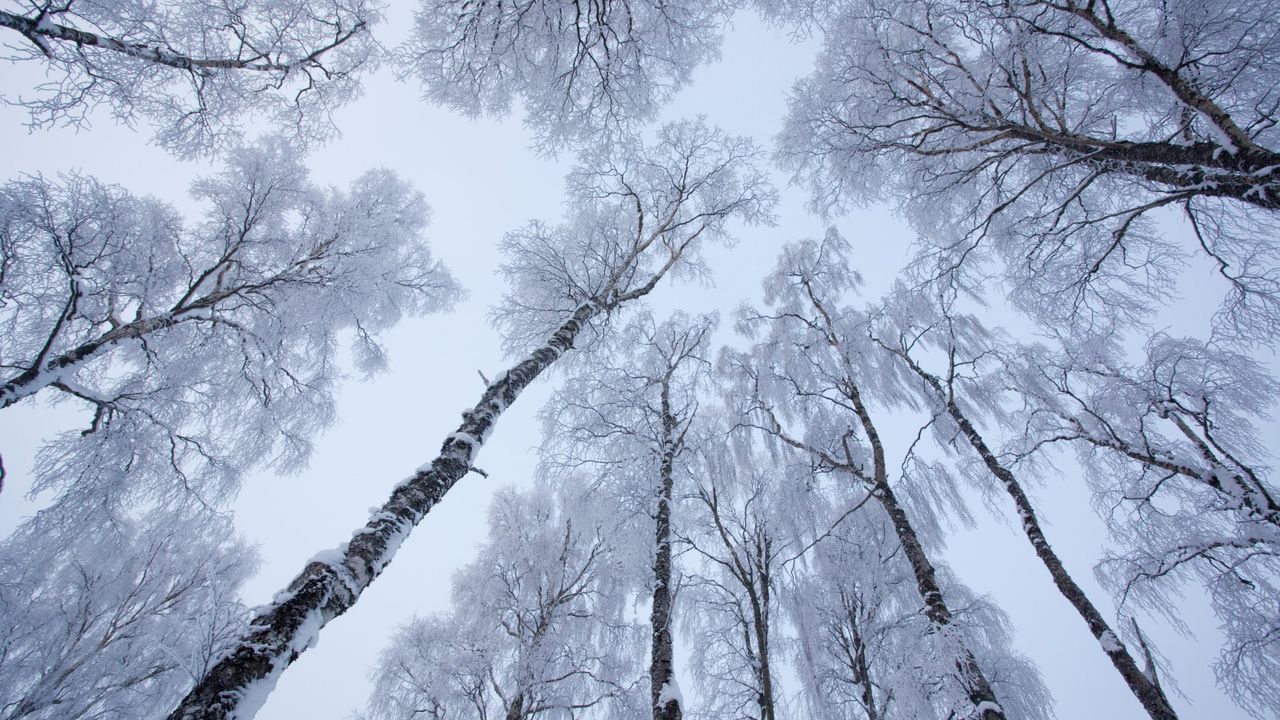
With winter storms and a deep freeze over the northern United States, meteorologists on social media have created a different kind of storm with talk of exploding trees. But how real is the risk of trees exploding due to freezing weather, and what should homeowners do to ensure their trees and property are safe?
Meteorologist Max Velocity caused a stir when he said on X that ‘exploding trees are possible in the Midwest and Northern Plains’ as ‘temperatures are forecasted to fall 20 degrees below zero’. This warning about exploding trees may sound dramatic, but the truth is that tree branches can crack and burst when the sap inside freezes and expands.
With storms, heavy snow, and plummeting temperatures sweeping across the US, you may be concerned about trees around your home. Even though the risk of explosions is low, trees can also crack under the weight of ice, so you need to remove snow from trees during winter to alleviate this risk. Here, we look at what causes trees to explode and how to keep trees safe during winter freezes.
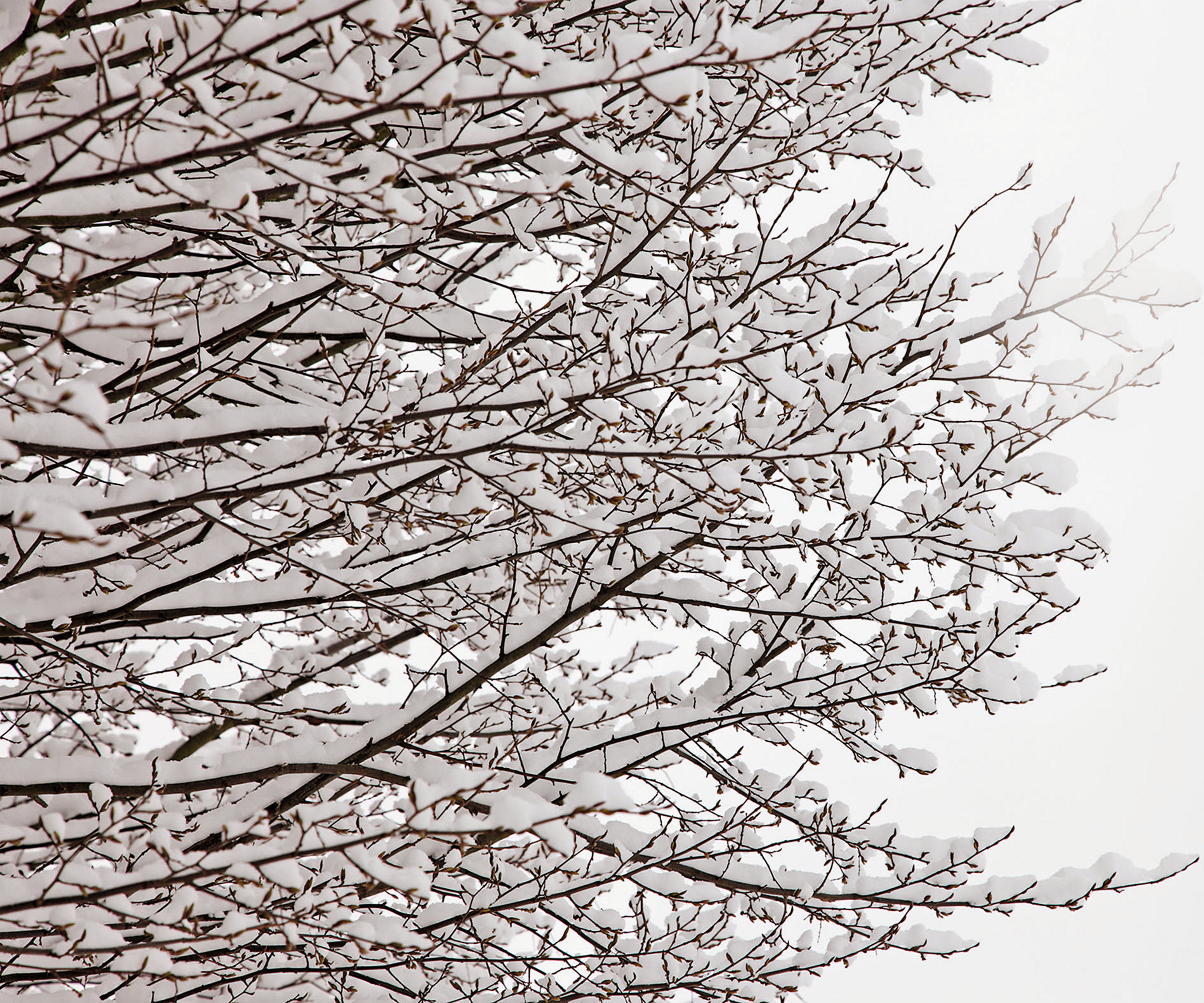
Exploding Trees – What Causes This Phenomenon?
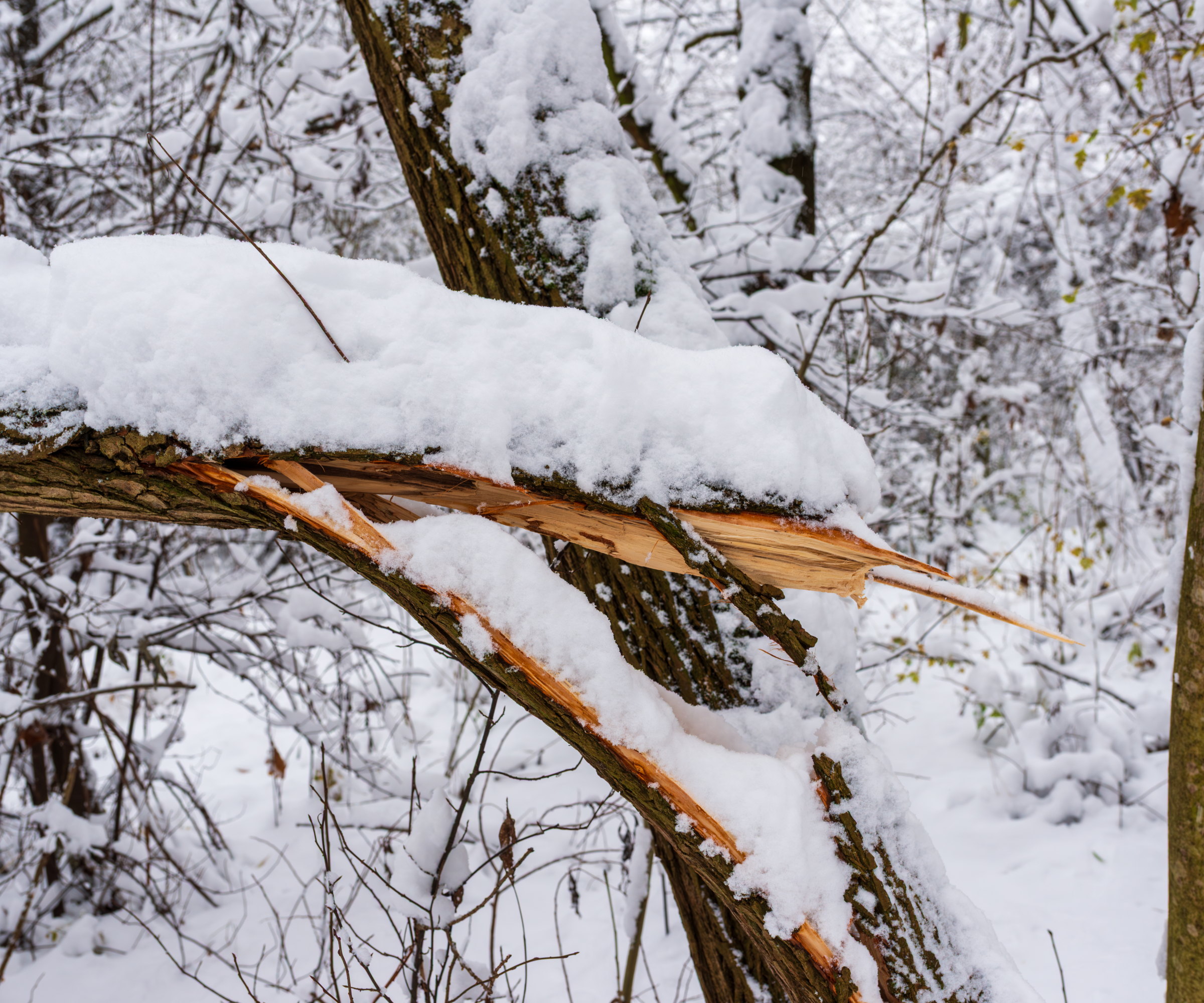
Exploding trees may sound like something out of an action film or doomsday prophecy, but it can happen. Though in reality, the term ‘explosion’ may be dramatic, as the trees tend to crack or split rather than erupt.
However, it doesn’t stop the National Forest Foundation from reporting on ‘numerous historic and current observations of trees exploding due to extreme cold’. The Foundation admits that, despite trees evolving to withstand low winter temperatures, on occasions the weather can get ‘so cold that trees can explode’.
It explains: ‘During spells of extreme cold or when trees haven’t had time to acclimate, the life-sustaining sap inside a tree can begin to freeze. Sap contains water, so it expands when frozen, putting pressure on the bark, which can break and create an explosion.’
If the trees don’t actually explode, what is a better way to explain this natural phenomenon caused by extreme winter temperatures?
Bill McNee, a forest health specialist with the Wisconsin Department of Natural Resources, told the Milwaukee Journal Sentinel the damage is best described as ‘frost cracks’ accompanied by a large bang.
‘It [the sap freezing] creates a lot of physical pressure that can lead to the frost cracking appearing suddenly, branches can fall off, and people hear this really loud crack from their tree, almost like it's a gunshot,’ says the tree expert.
How Common Are Exploding Trees?
Exploding trees are not common. It is a rare occurrence, and even forest specialist Bill McNee added he has ‘never seen the damage of it’ in Wisconsin.
Any instances are more likely in the coldest US hardiness zones, but homeowners shouldn’t be afraid of extreme cold causing trees on their property to fly apart. Even when it does strike, the damage is not exhaustive, as the tree cracks or splits rather than erupts into a cloud of flying wood and debris.
The amount of potential damage will depend on where the crack occurred. A frost crack in a branch may kill that limb, but the tree can survive OK with some tree pruning to remove the affected branch once the extreme weather has ended. A large crack up the trunk of a tree, on the other hand, may threaten its future.
When a tree splits, however, it is more susceptible to pests and diseases, as insects, bacteria, and fungi have easy access into the large crack that appears.
How to Keep Trees Safe in Freezing Temperatures
You can protect trees from winter weather in many ways, but in colder climates, the number one task on your winter gardening checklist should be removing snow from branches.
Acting quickly to remove snow from plants after heavy snowfall is key, as you don’t want the snow turning to ice. Wet snow can be weighty enough, but ice is much heavier, so you don’t want that snow to freeze.
The accumulation of snow or ice can cause branches to snap under the heavy load, which can be very dangerous and potentially come down on homes, buildings, paths, sidewalks, vehicles, and people.
To remove heavy snowfall from tree branches, use a broom or your arm to push it off in an upward motion. You can use extendable poles (such as this telescopic extension pole at Amazon) to remove it from taller branches, but always stand to the side of the tree and not underneath where the snow is going to fall.
You can protect smaller trees and plants from frost by wrapping them in burlap or frost cloth to insulate them against extreme cold. This can be extra useful on younger, newly-planted trees that are not yet fully hardy to the elements.
Another useful way to protect plants from frost is to add a thick layer of mulching materials around the base to insulate the roots. Use organic types of mulch such as compost, bark, or wood chips, and keep a few inches around the trunk clear to prevent rot from mulch piling against the tree.
This lightweight snow brush extends from 40 to 58 inches long and can be used to gently brush heavy snow off tree branches.
This adjustable snow rake has a 25.5-inch handle and a set of lightweight four-foot aluminum extension rods that can reach 20 feet and remove the need to use a ladder.
These gardening gloves are waterproof and have 3M Thinsulate C40 insulation lining to keep your hands warm during winter.
Another winter challenge for trees, particularly newly-planted ones, is frost heave. The cycle of freezing and thawing can lift young trees from the ground, exposing the roots to freezing temperatures and damage.
Mulching in the fall is advisable to insulate the soil and prevent the ground from repeatedly freezing and thawing during winter. If you see signs of frost heave, quickly put the young tree back into the ground and add a layer of compost, wood chips, or pine mulch (you can get bags of pine bark mulch at Ace Hardware) to regulate soil temperature.