
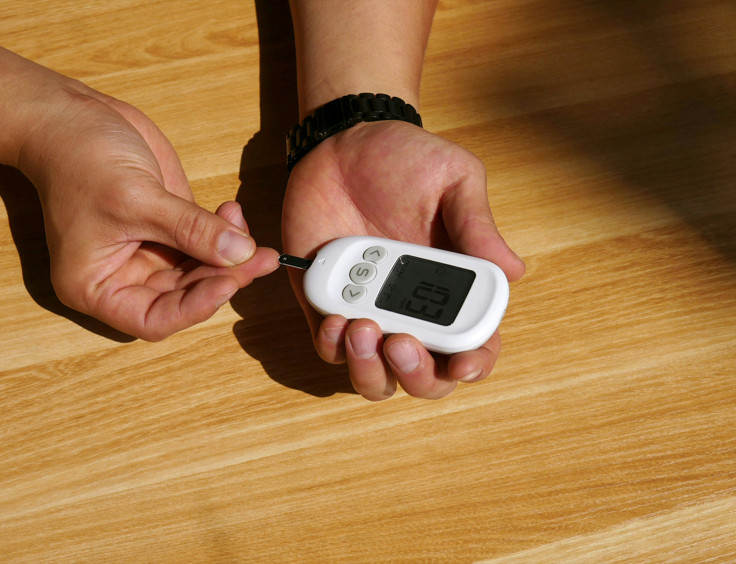
Diabetes early signs often appear long before a diagnosis and are rooted in classic blood sugar symptoms like intense thirst and frequent urination. Elevated glucose pulls fluid from tissues, leading to polydipsia and polyuria that may exceed 3 liters of urine per day as kidneys struggle to reabsorb excess sugar. These metabolic disruptions can leave cells starved of energy—causing unexplained fatigue—even when blood sugar levels are dangerously high, and contribute to nerve irritation or tingling in extremities due to microvascular damage. Understanding these early warning signs is essential for prompt screening and management to prevent long-term complications such as vision loss, kidney disease, and neuropathy.
Early recognition of patterns like nocturia, blurred vision, persistent thirst, and unexplained weight changes can dramatically improve outcomes. Regular check-ups and monitoring for clusters of symptoms signal when medical evaluation and lifestyle changes are needed. Education about diabetes early signs enhances the likelihood of early detection and intervention, preserving health and reducing disease progression. Awareness can lead to timely A1C screening and lifestyle adjustments that significantly mitigate risks associated with chronic hyperglycemia.














