The DHS Nevada voter list contained 185 people the federal government identified as potential noncitizens. Nevada officials said their records indicated all 185 were US citizens. However, state officials have said limited information provided by DHS means they cannot be certain they were reviewing the same individuals.
The finding adds a documented example to questions surrounding the Department of Homeland Security's nationwide voter investigations. It comes as a federal lawsuit challenges DHS field operations involving people whose voting eligibility has been questioned.
The list is connected to DHS's 'Unlawful Voter Initiative', which seeks to identify people the department believes may have registered or voted without US citizenship. The initiative has drawn scrutiny from lawmakers and a federal whistleblower.
On 14 September, Senate Democratic Leader Chuck Schumer and Sen. Alex Padilla, D-Calif., released a protected whistleblower disclosure about the programme. The disclosure alleges that DHS uses unreliable data and rushed reviews that can include US citizens.
Nevada's 185-person list provides a specific example of the potential problems raised by the disclosure. Nevada officials said their records showed that none of the 185 people was a noncitizen, although they said they could not be completely certain the state and DHS records referred to the same individuals.
Inside the DHS Noncitizen Voter Investigation
The whistleblower disclosure includes training material describing how USCIS personnel were instructed to review voter data alongside federal information. The disclosure also refers to data that had been augmented with 'supplemental magic'.
The disclosure does not explain what the phrase 'supplemental magic' refers to. It alleges that the data could include naturalised citizens and US-born citizens in mixed-immigration-status families.
The material also describes a demanding review schedule. It says officers were expected to review at least five subjects per hour and 40 subjects per day.
The disclosure alleges that officers could create TECS records about people identified through the review process. TECS should not be described simply as a criminal watchlist, because the material refers to federal law-enforcement records.
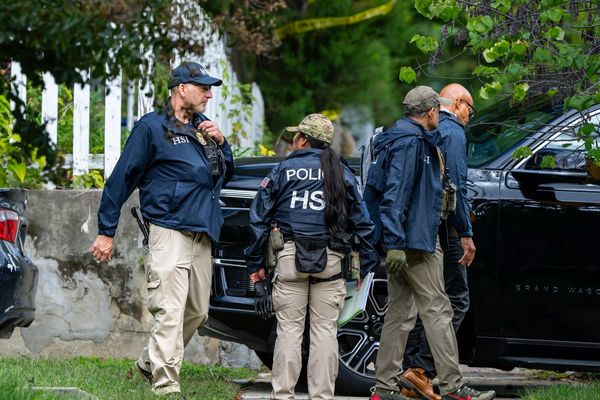
Homeland Security Investigations, an investigative arm of Immigration and Customs Enforcement, has also been involved in field investigations under the initiative. HSI investigates a broad range of transnational crime and other federal offences.
Internal guidance reported by CNN directed HSI to begin a coordinated voter-fraud investigative surge on 1 September. The guidance covered nine states and called for field interviews and investigative work through mid-October.
DHS Secretary Markwayne Mullin has publicly cited figures from the department's voter-fraud investigations. In an 18 September CNN interview, Mullin said DHS was 'looking into' more than 300,000 cases.
Mullin said 1,620 cases were open and that DHS had made 151 arrests. Those figures describe DHS investigations and arrests, rather than 300,000 confirmed cases of illegal voting.
The Justice Department reported a different measure. Acting Deputy Attorney General Trent McCotter said the department had charged 70 people with unlawful voting and registration offences since January 2025.
DOJ spokesperson Kiersten Pels said some HSI arrests originated from voter-fraud investigative leads. She said many resulted in charges for related offences, including false claims to citizenship or false statements.
California Lawsuit Challenges DHS Field Investigations
On 18 September, the City and County of San Francisco and Santa Clara County filed a federal lawsuit against DHS and several officials. The case is pending in the US District Court for the Northern District of California.
The plaintiffs also include California Nurses Association, National Nurses United and Voto Latino Foundation. The lawsuit challenges DHS practices involving field investigations into Americans' eligibility to vote.
The complaint alleges that armed federal agents have been sent to Americans' homes to question them about voting eligibility. It argues that the practice violates federal voting protections, the Constitution and the Administrative Procedure Act.
The plaintiffs allege that the programme 'harasses and coerces American citizens exercising the fundamental right to vote'. They also allege that HSI agents 'will engage in coercive confrontations with American citizens in a manner that intimidates voters'.
Those statements are allegations contained in the complaint. The lawsuit has not established that DHS violated the law, and the court has not issued a final ruling on the claims.
The complaint seeks court orders restricting DHS field investigations and other conduct that the plaintiffs say could interfere with voting. The case therefore concerns both the accuracy of voter-eligibility investigations and the legal limits on federal involvement in elections.
The lawsuit also points to concerns about the treatment of US citizens during immigration-related enforcement. Those assertions are part of the plaintiffs' case and have not been established by a court.
The Nevada records provide a separate, concrete point of reference. State officials said they found no noncitizens among the 185 people DHS identified to them. However, they said DHS had not provided enough identifying information to establish with certainty that the two sides were examining the same people.
That finding raises questions about the reliability of the federal matches in that particular group. It does not, by itself, establish the accuracy or inaccuracy of every DHS voter record nationwide.
The public records reviewed for this article do not establish how other states have assessed comparable DHS lists. The broader programme remains the subject of congressional scrutiny, federal litigation and ongoing investigations.