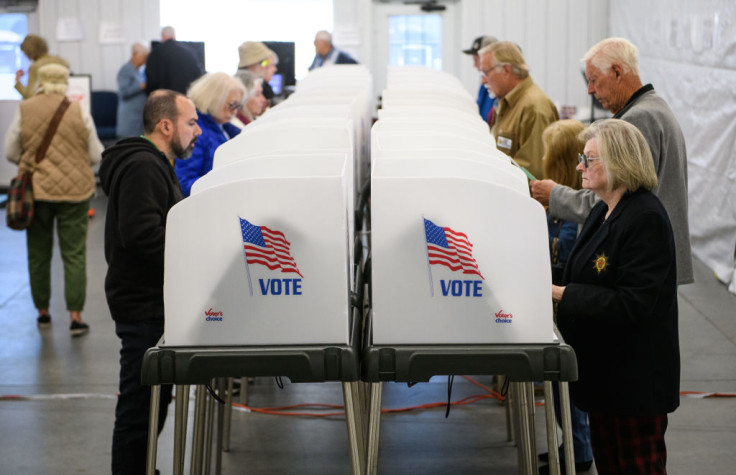
A new lawsuit alleges that an expanded Department of Homeland Security data system is causing U.S. citizens to be wrongly removed from voter rolls, raising questions about the accuracy and legality of federal efforts to verify voter eligibility.
The complaint, filed in Washington, D.C. by the League of Women Voters and the Electronic Privacy Information Center against DHS and the Social Security Administration, argues that the expanded Systematic Alien Verification for Entitlements (SAVE) program has led to eligible voters being purged based on inaccurate data.

"Eligible U.S. citizen voters will be wrongfully purged from voter rolls based on inaccurate data from the illegally overhauled SAVE system," said Nikhel Sus to WIRED. Sus is deputy chief counsel at Citizens for Responsibility and Ethics in Washington, which represents the plaintiffs.
SAVE was created in 1986 to help states verify whether immigrants were eligible for public benefits and initially did not include data on natural-born citizens. In recent years, DHS has expanded the system and encouraged states to use it to verify voter eligibility.
In May, DHS announced a partnership with the Social Security Administration that allows state and local authorities to use Social Security numbers to check citizenship status. USCIS spokesperson Matthew Tragesser said at the time the goal was to "identify and stop aliens from hijacking our elections."
According to the lawsuit, 22 states have begun using SAVE to verify voter rolls, and the system has already produced errors. In Texas, officials identified more than 2,700 "potential noncitizens" registered to vote; one of them, Anthony Nel, was later confirmed to be a U.S. citizen whose registration was canceled due to outdated data.
"We're talking about a known error rate that will result—and already has resulted—in multiple people being kicked off the voter rolls," said John Davisson, an attorney at EPIC, which is one of the plaintiffs in the case.
The complaint also argues that the expanded use of SAVE amounts to an unconstitutional national citizenship database and that the inclusion of Social Security data increases the risk of inaccuracies. Former Social Security Administration official Leland Dudek said Social Security records were not designed for citizenship verification and may be outdated.
Available data suggests that noncitizen voting is rare. A Brennan Center survey from back in 2016 found just 30 suspected cases among 23.5 million votes cast in jurisdictions with large immigrant populations, while audits analyzed by NPR in several states before the 2024 presidential election identified only small numbers of potential cases among millions of voters.
© 2025 Latin Times. All rights reserved. Do not reproduce without permission.