Union Education Minister Dharmendra Pradhan on Saturday announced his resignation, conceding to one of the key demands of nationwide youth protests that sought to hold him accountable for the NEET-UG paper leak controversy.
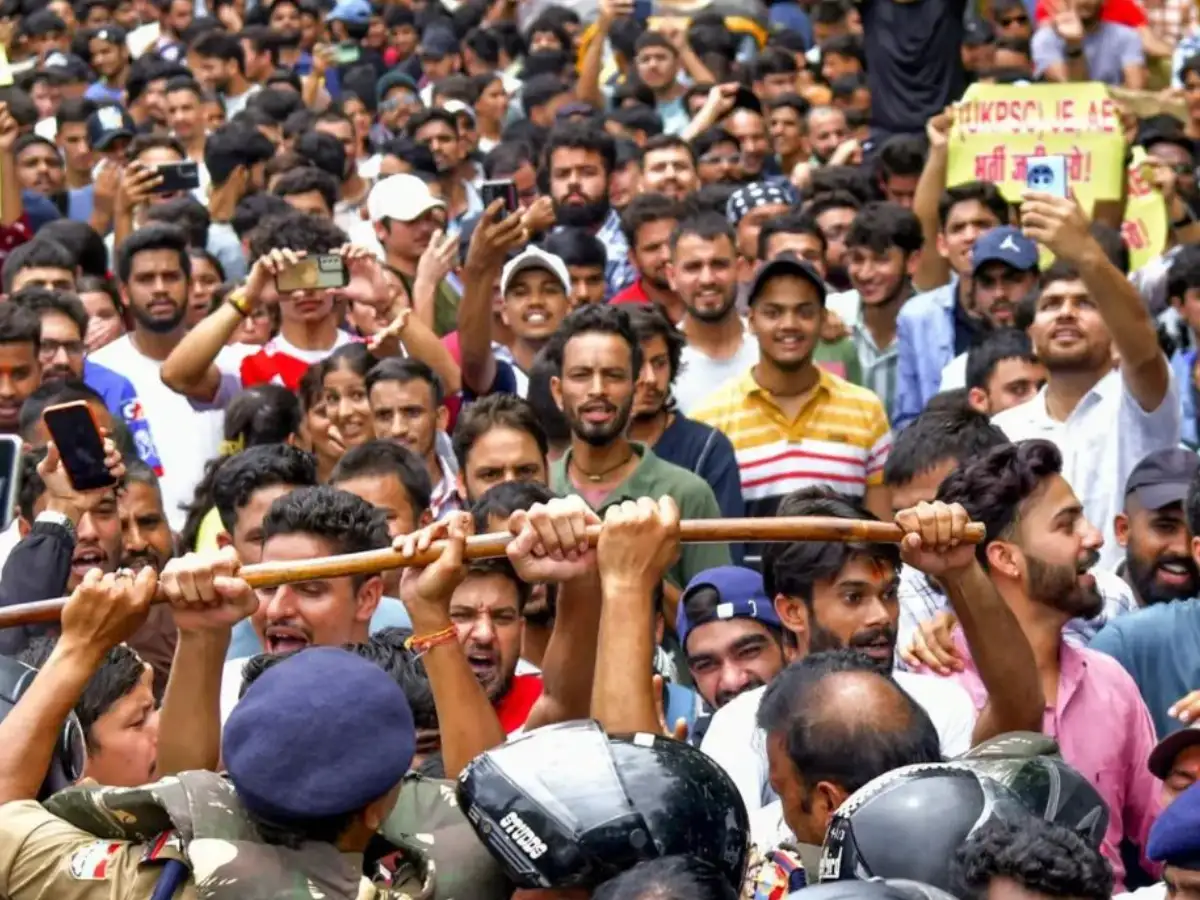
His resignation follows weeks of demonstrations that organisers described as one of the largest youth-led protest movements in recent years. Protesters demanded greater accountability in the education system, strict action against those responsible for the alleged examination irregularities, and Pradhan's resignation.
NEET-UG is India's sole entrance examination for undergraduate medical admissions. Each year, millions of students compete for fewer than 1.5 lakh MBBS and other medical seats, making it one of the country's most competitive entrance exams.
What led to protests?
The immediate trigger for the demonstrations was the cancellation of the National Eligibility cum Entrance Test (NEET), India's undergraduate medical school entrance exam, after its question papers were found to have been leaked.
Also read: Key highlights of CJP Protest in Delhi
The NEET-UG 2026 examination was conducted on May 3 across India and selected international centres, with more than 24 lakh candidates appearing for the country's largest medical entrance test for MBBS, BDS and allied undergraduate medical courses. However, the exam was later cancelled, with reports linking around a dozen student suicides to the decision. A fresh examination was conducted in June.