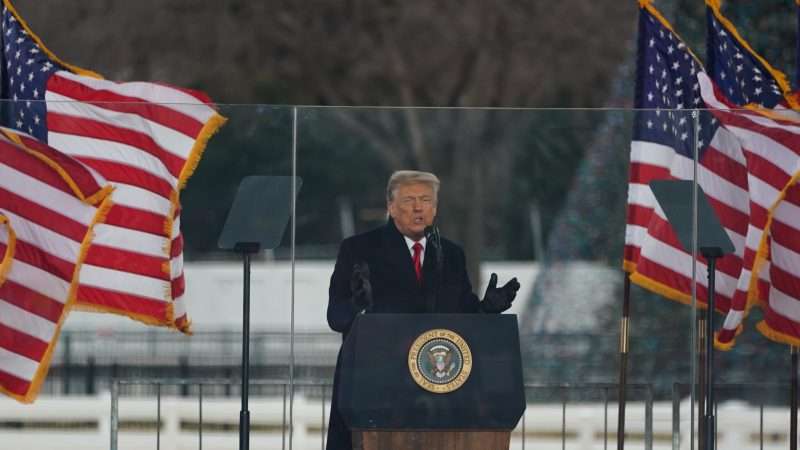
Challenging the federal indictment stemming from his attempts to overturn the results of the 2020 election, Donald Trump argued that former presidents can be prosecuted for "official acts" only if they are first impeached by the House and convicted by the Senate based on the same conduct. While rejecting that claim last week, the U.S. Supreme Court left open the possibility that former presidents cannot be prosecuted even then.
Those seemingly contradictory conclusions reflect a ruling with potentially sweeping implications for presidential accountability. Although Justice Amy Coney Barrett maintained in her partial concurrence that the "constitutional protection from prosecution" recognized by the Court is "narrow" when "properly conceived," the decision will make it difficult, if not impossible, to hold former presidents criminally liable even for outrageous abuses of power.